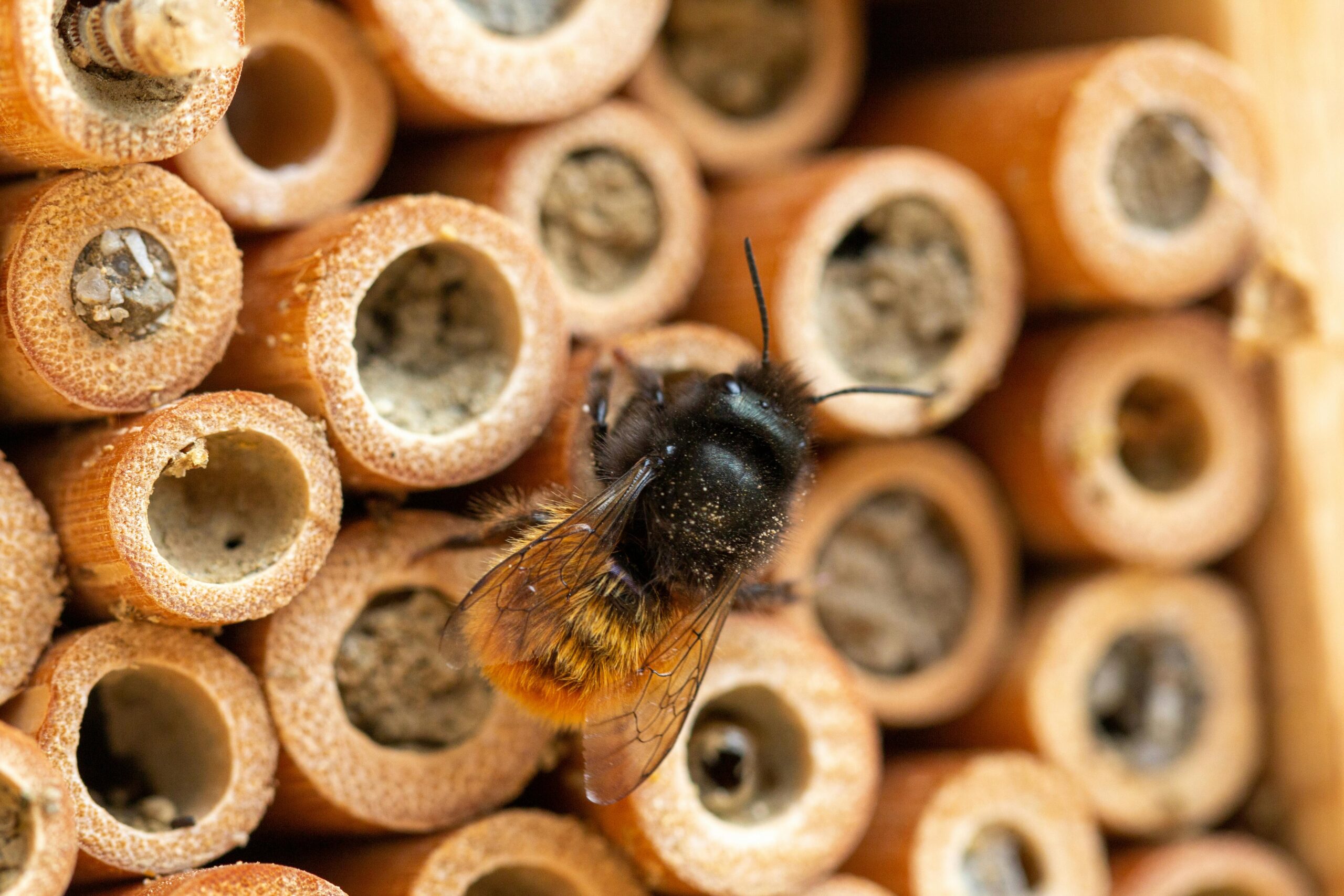
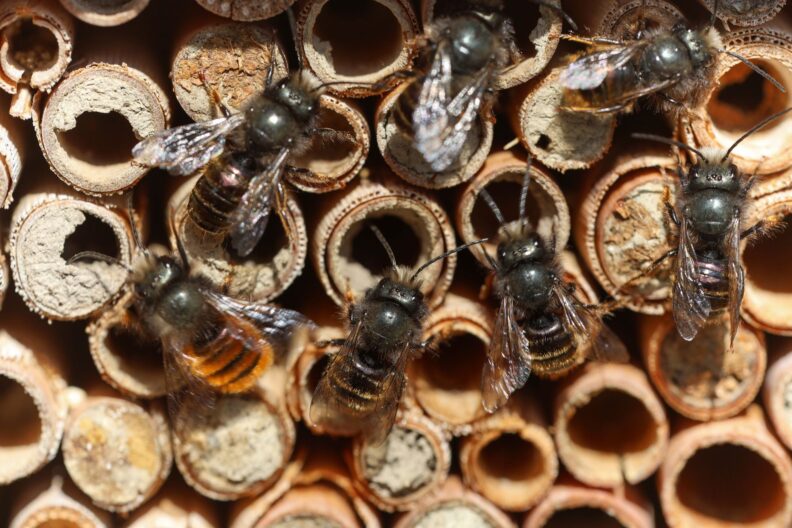
Mason Bee Fostering
The volunteers know the needs of their communities. They hear what people are talking about and worried about, and it’s the volunteers who will help us develop innovative solutions.
Jennifer Marquis, Statewide Leader, WSU Master Gardener Program
Quick Links

Become a “BFF”!
“Bee Fostering Friend”
When Did the Program Begin?
This program was started in Mason County in 2024, although our Master Gardeners have been caring for mason bees at our demonstration gardens and other outdoor learning areas long before that.
What is the Purpose of the Program?
Inspiring community members to foster mason bees to enhance pollination and food production, and to help increase the number of wild bees in our community.
What Area Does the Program Serve?
The Mason County WSU Extension office is based in Shelton, WA; our Mason Bee Fostering Program provides services for residents of Mason County.
What Should I Expect?
The WSU Master Gardener Bee Fostering Program provides nesting boxes with inserts and cocoons for our community bee fostering friends. We help with placement and installation of the boxes as well as the protected storage and cleaning of the mason bee cocoons. Our program has a strong educational component with our schools, gardeners, orchardists and flower enthusiasts. There is no cost to participate.

Caring for our bees…
My bees are so much healthier, and my fruit trees are benefiting from this clear and effortless process…we appreciate your commitment to such a positive cause that benefits our community.
Marilyn Grenet (Mason Bee Fostering Program Participant) and the Pickering Community Club Board
What Can I Plant to Help? Spring Flowering
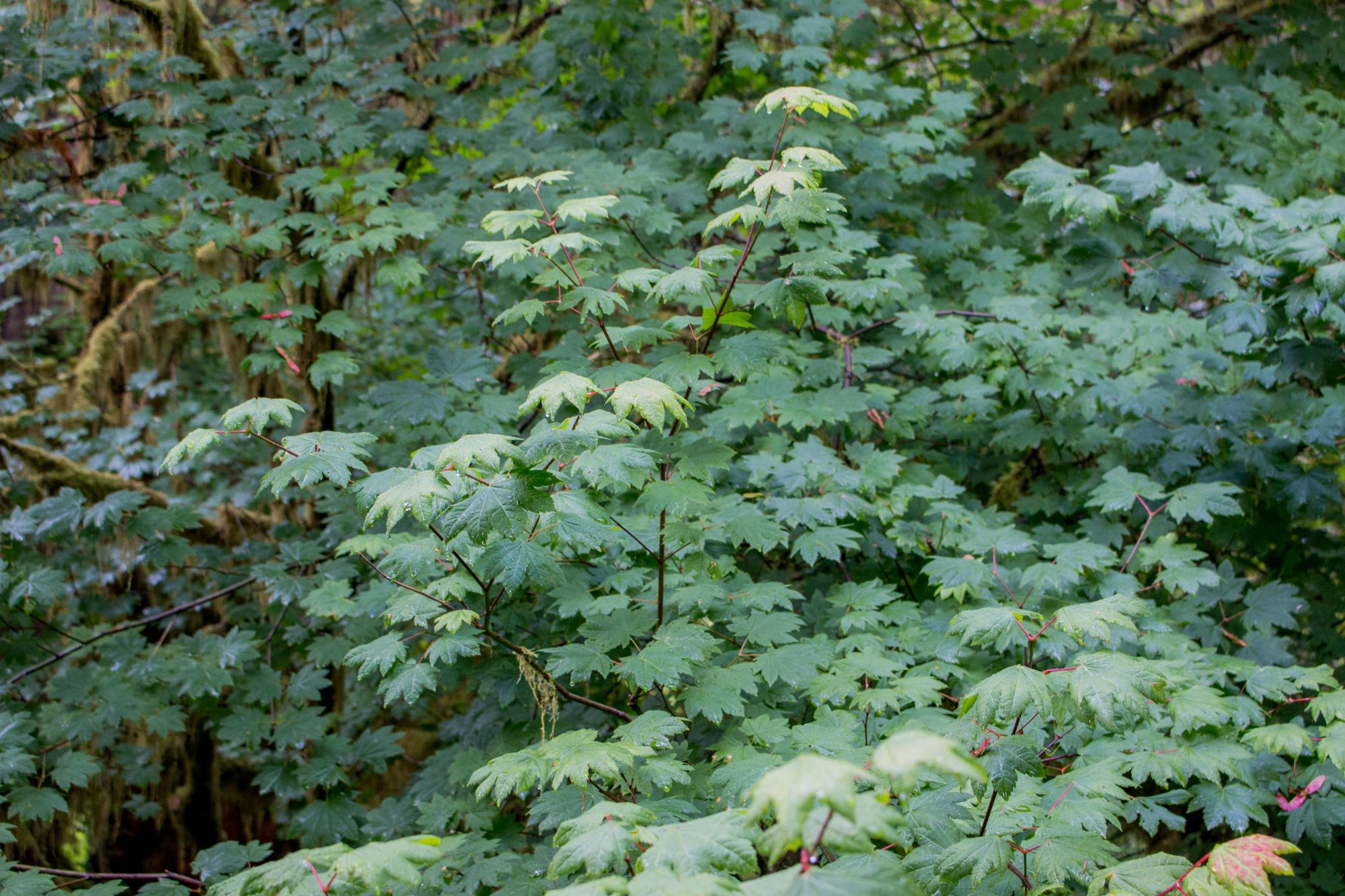
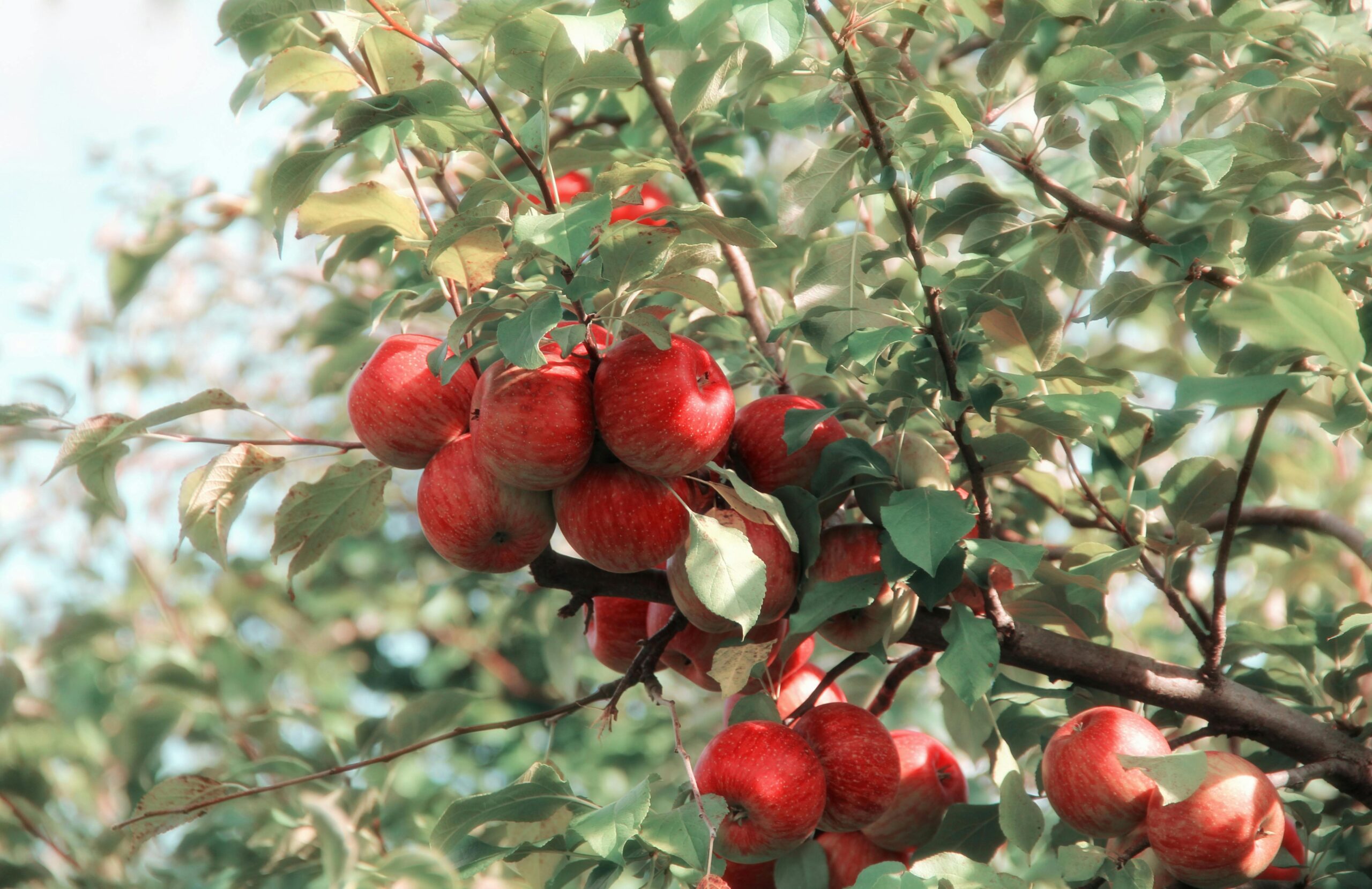
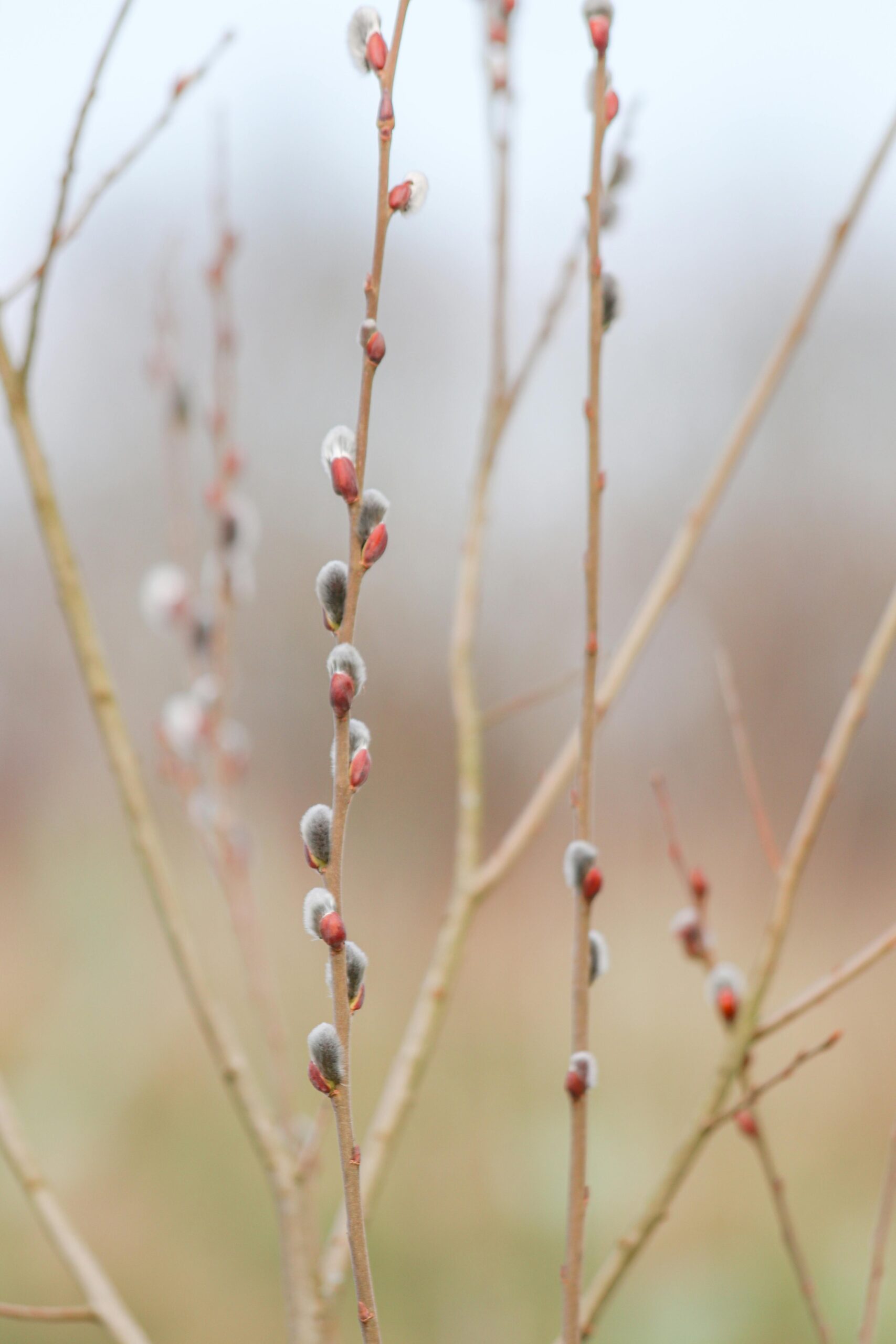
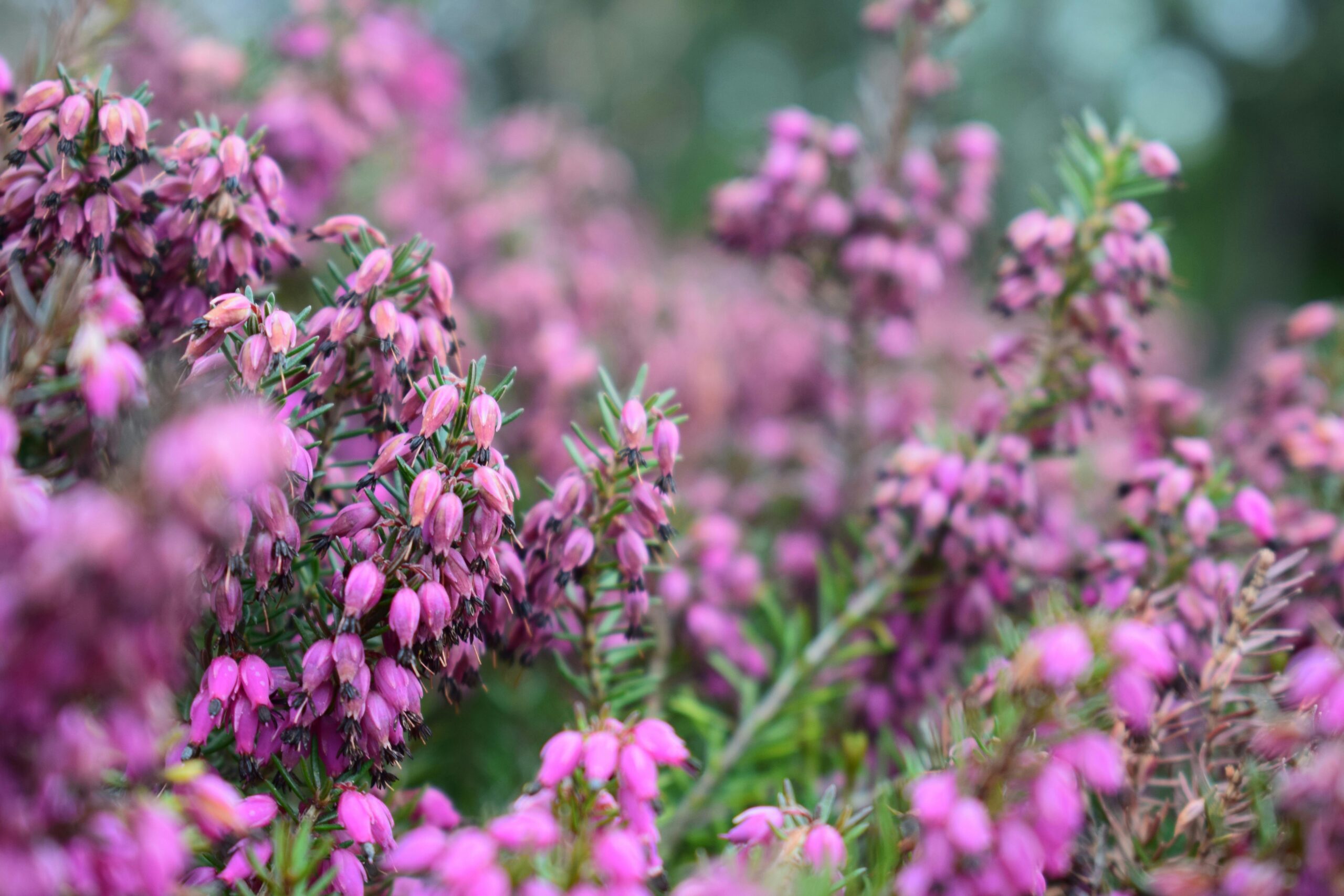
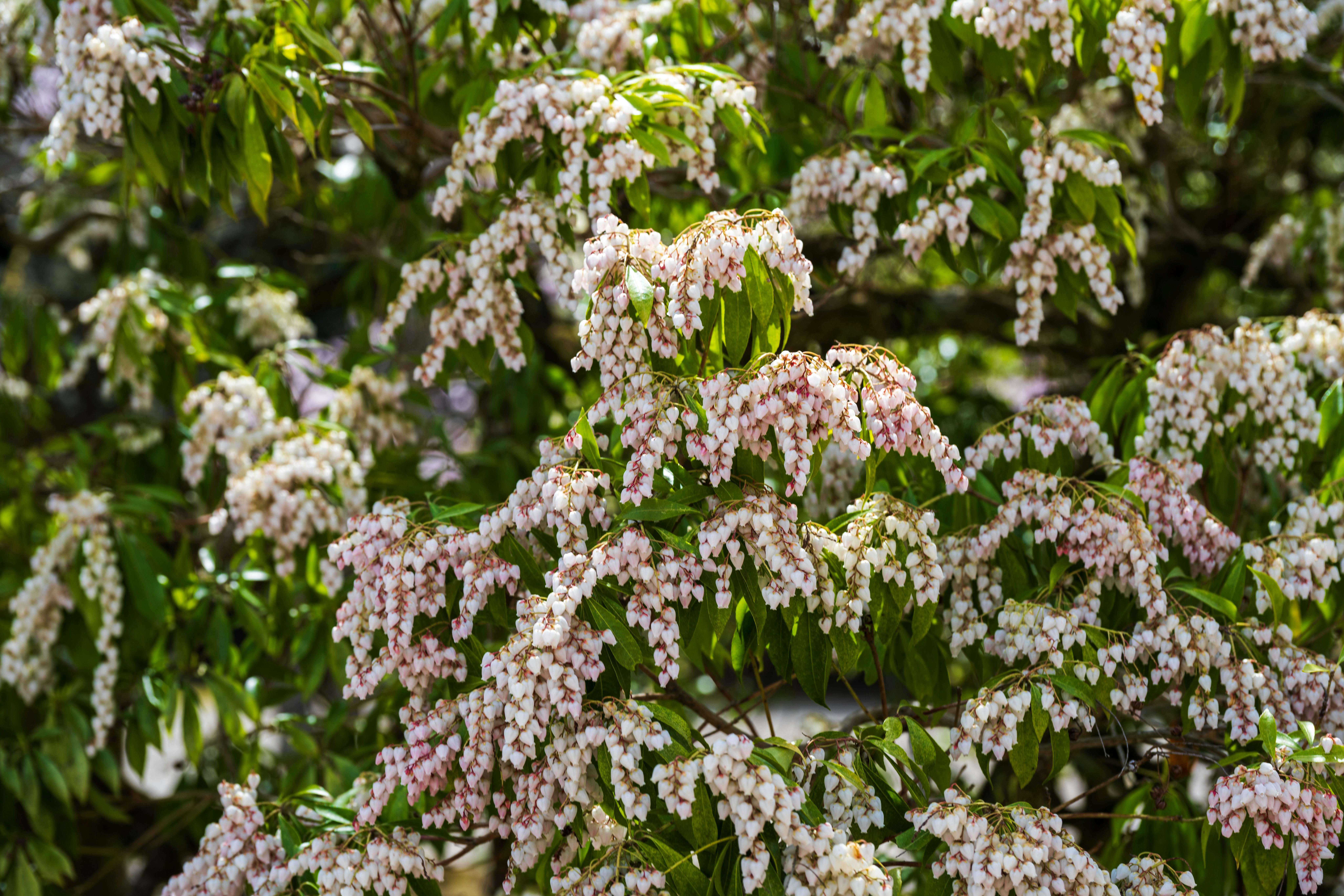
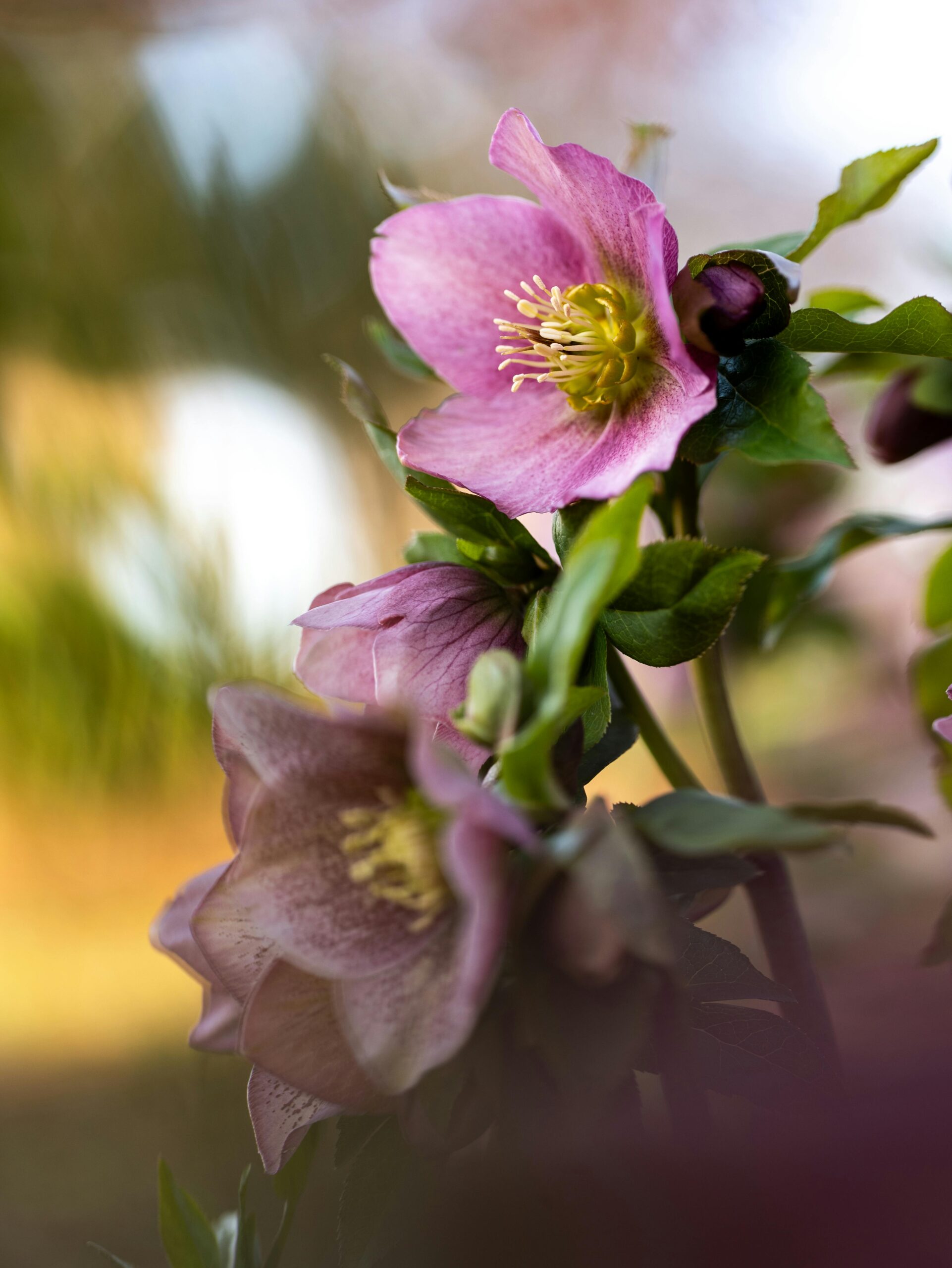
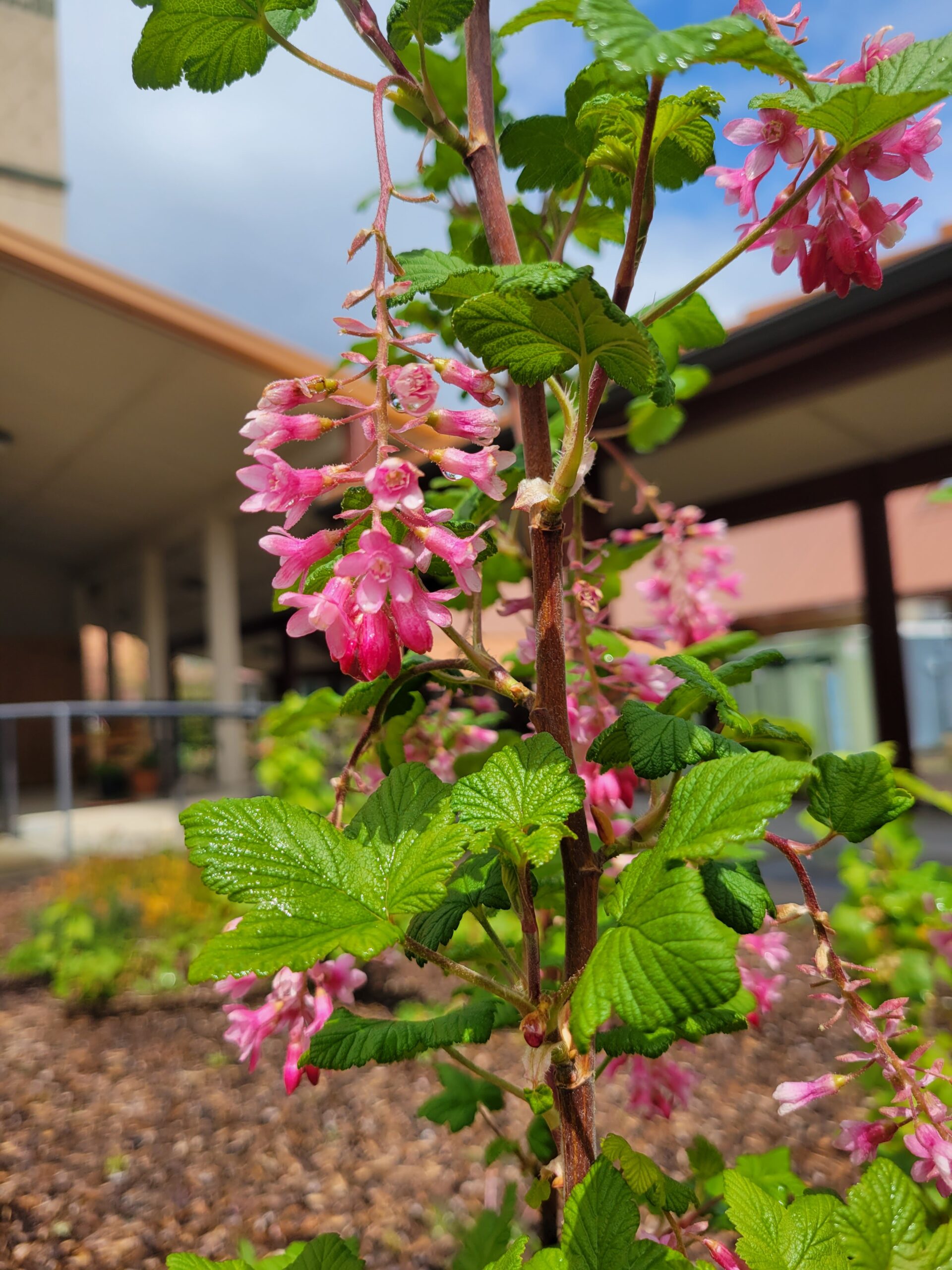
It can be hard to think of spring flowers for mason bees and to have successional blooms that last from the beginning of April to the end of June for them. Below are some spring flowering plants that we recommend for mason bees to provide successional blooms.
Fruit Trees
Prunus genus: Almonds, Peaches, Plums, Cherries
Pyrus genus: Pears
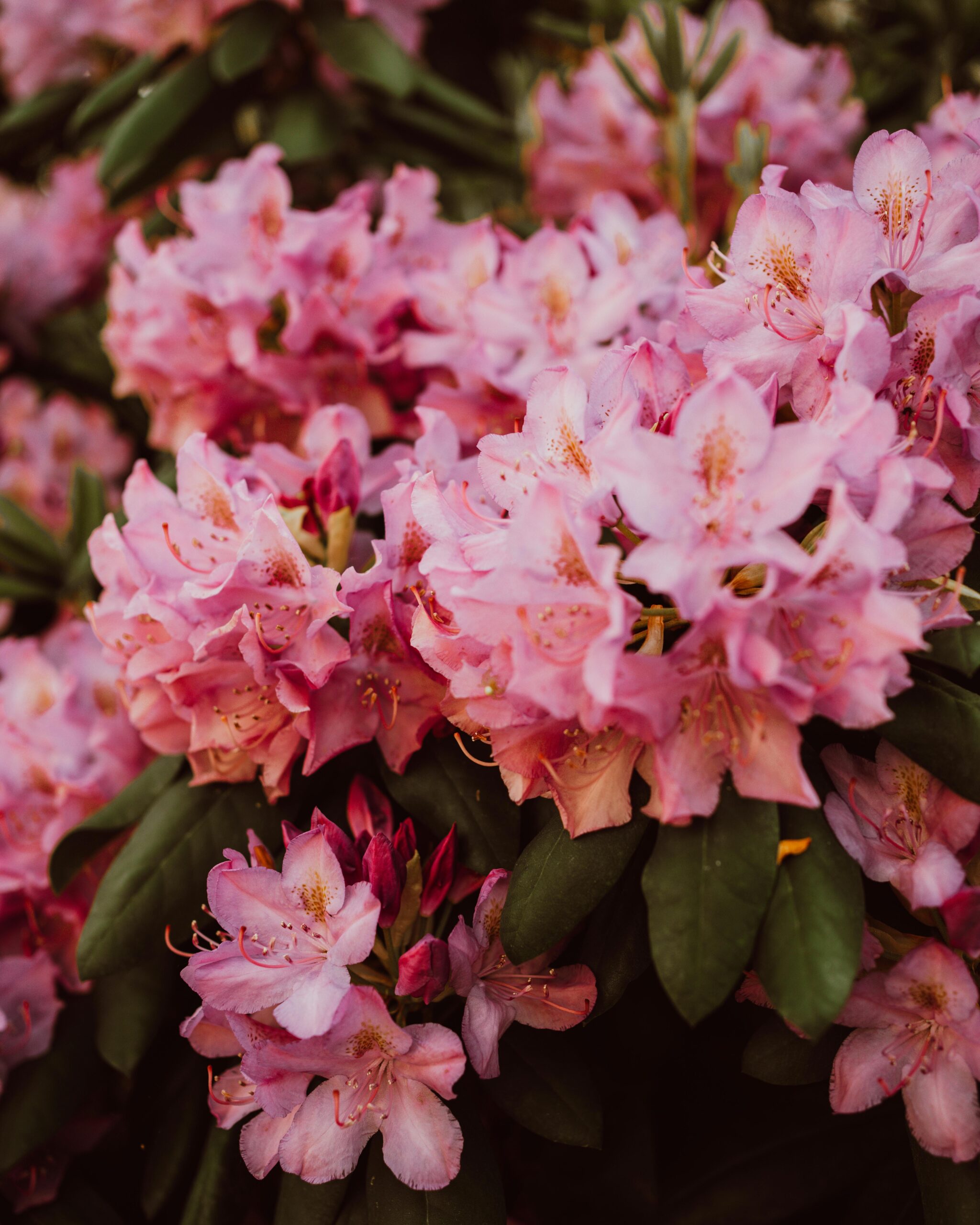
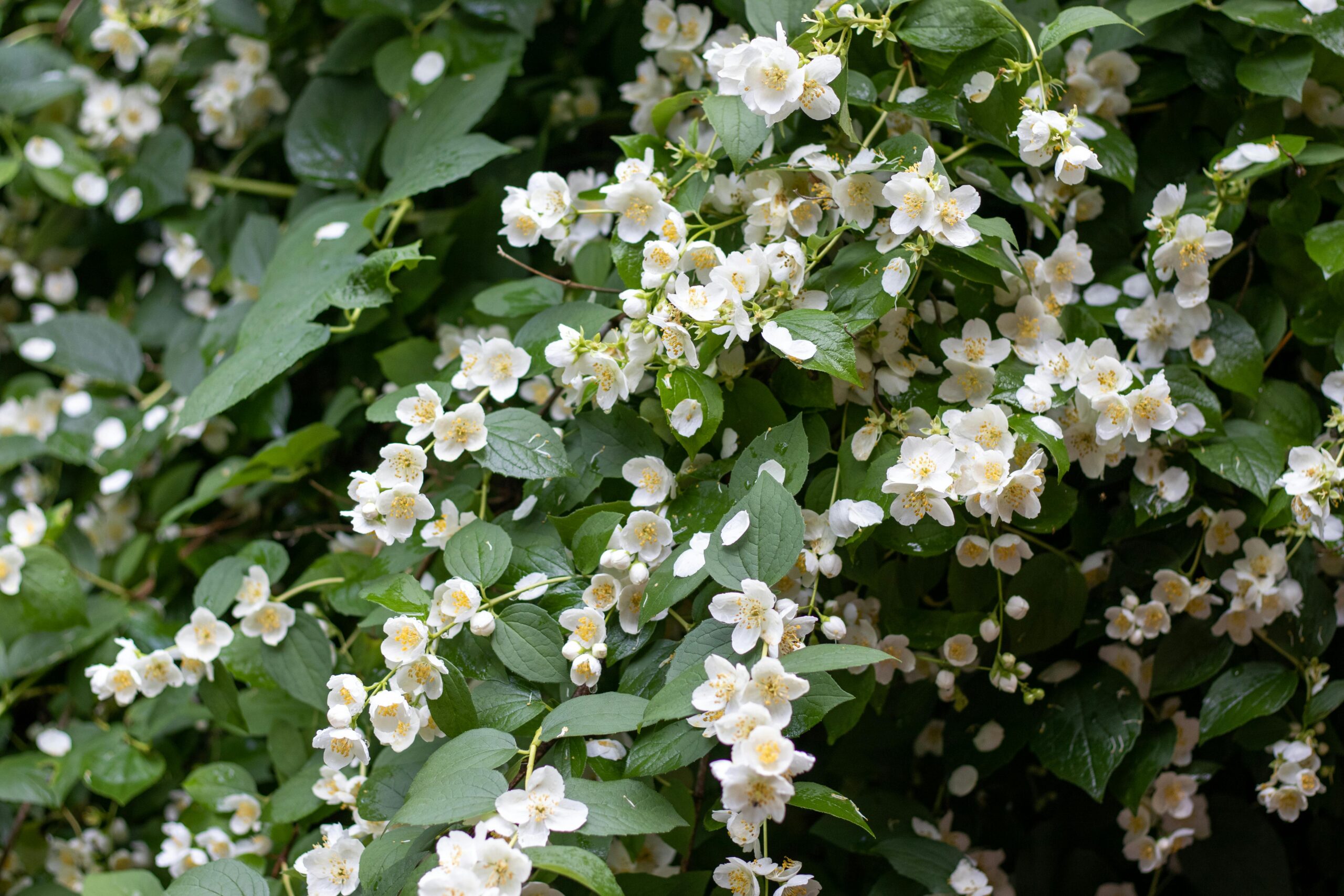
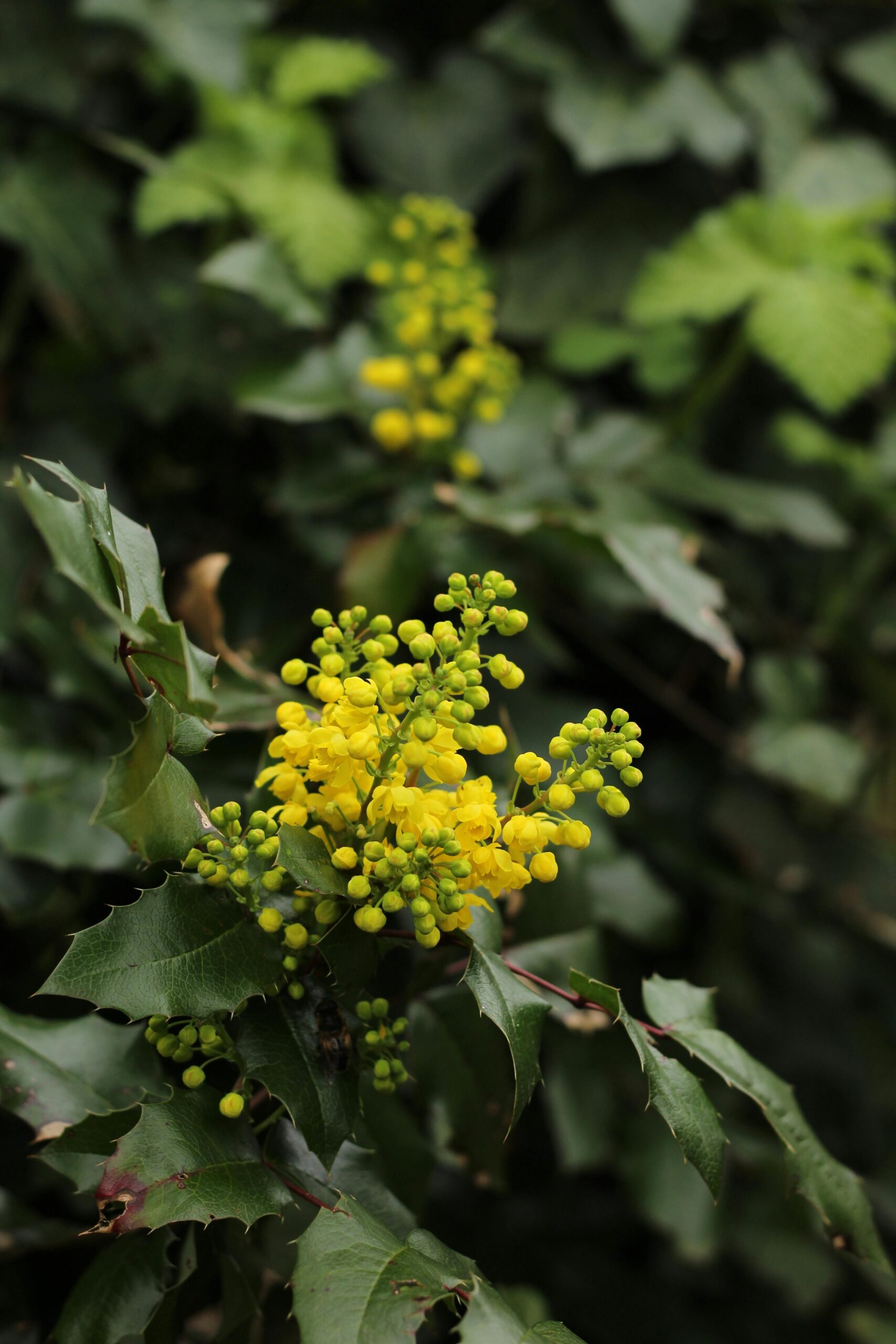
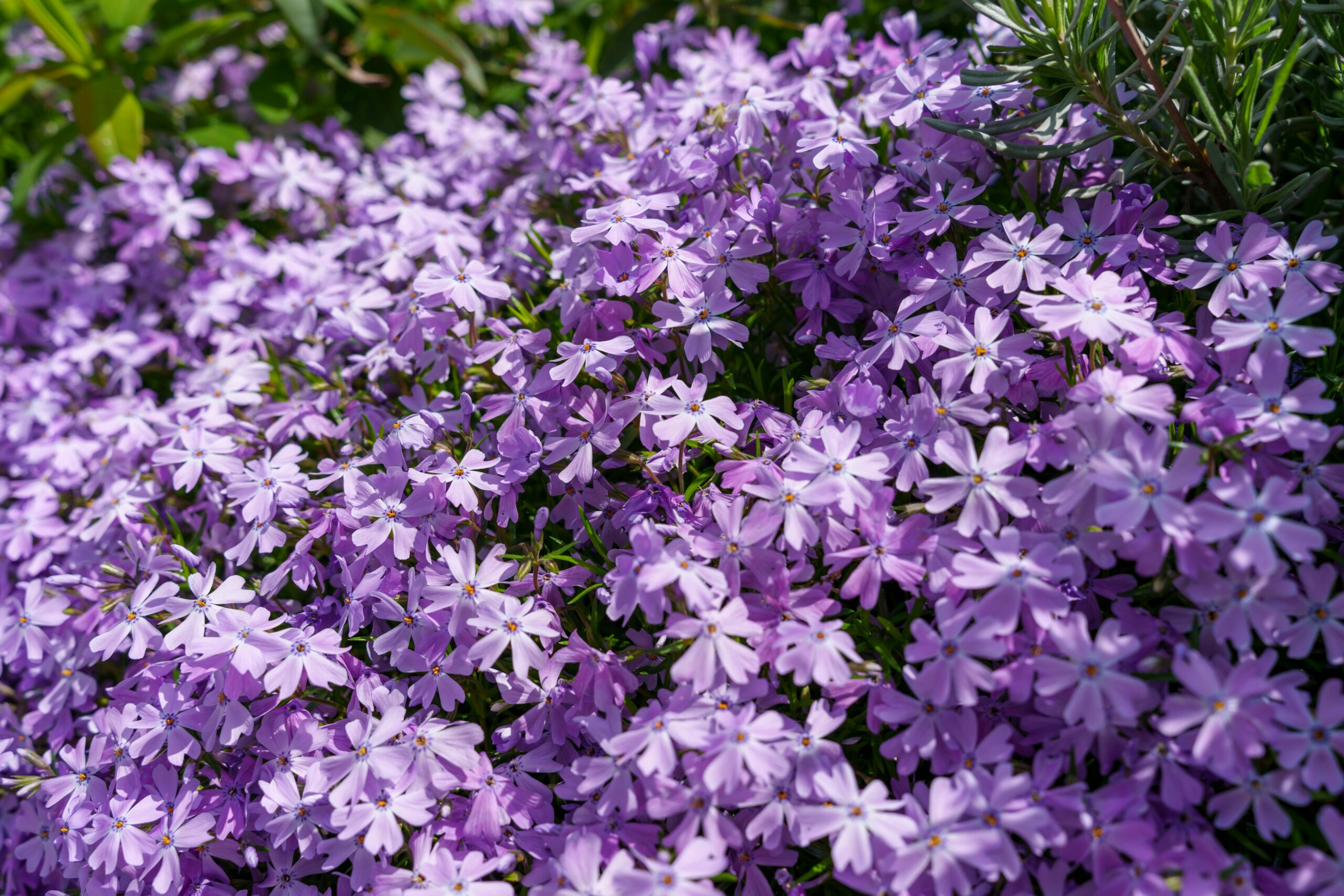
What Can I Plant to Help? Spring to Fall Flowering
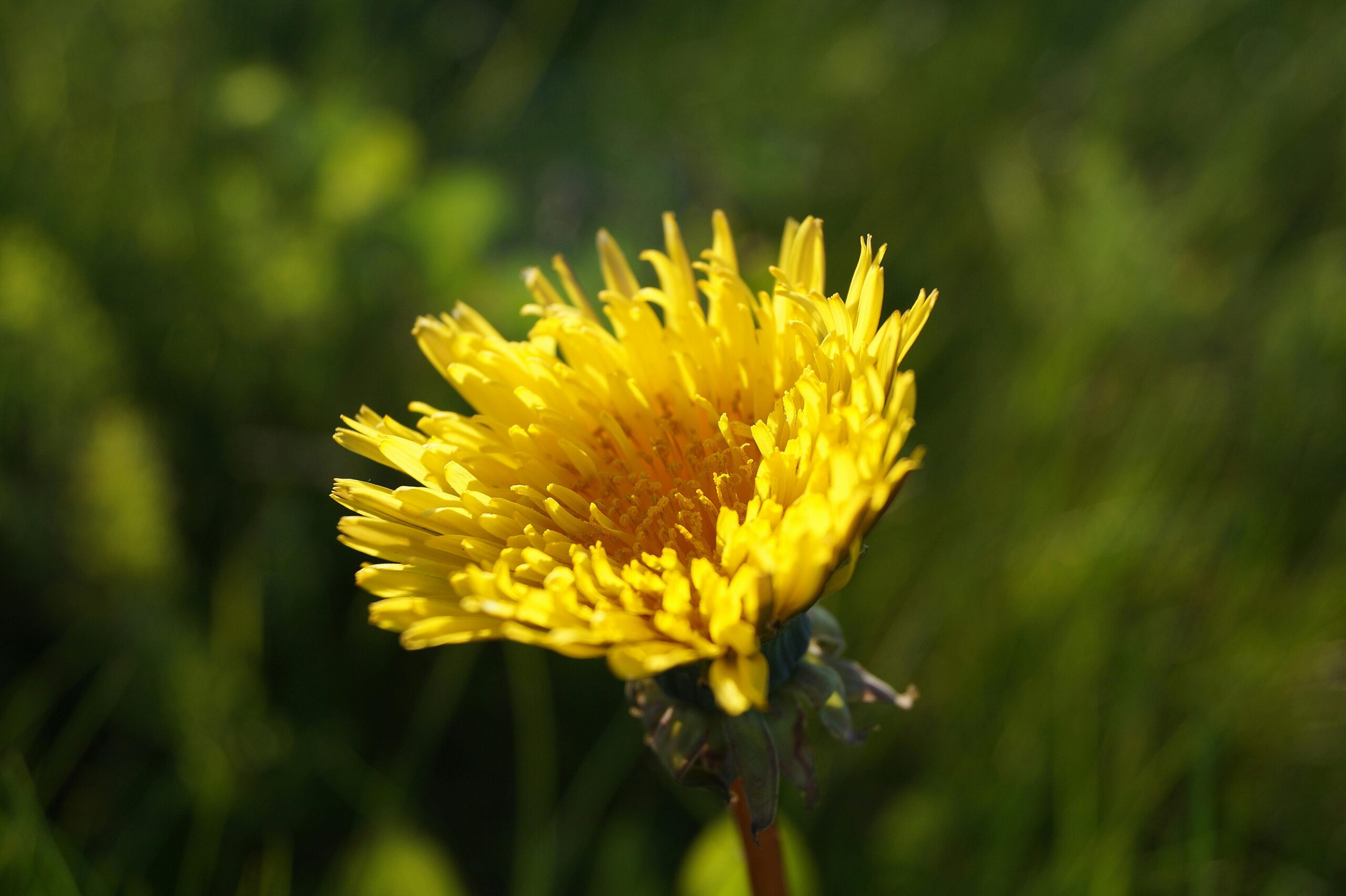
Plants have evolved differing flowering times that occur throughout the growing season to decrease competition for pollinators and to provide pollinators with a constant supply of food. Flowers provide pollen and nectar in exchange for pollination service. Bees also partition flower resources by being active over different seasons. For example, Mason bees are a spring bee while bumblebees are spring and summer bees. Below are some month-by-month ideas of plants you can have in your yard to provide bee forage all season long!
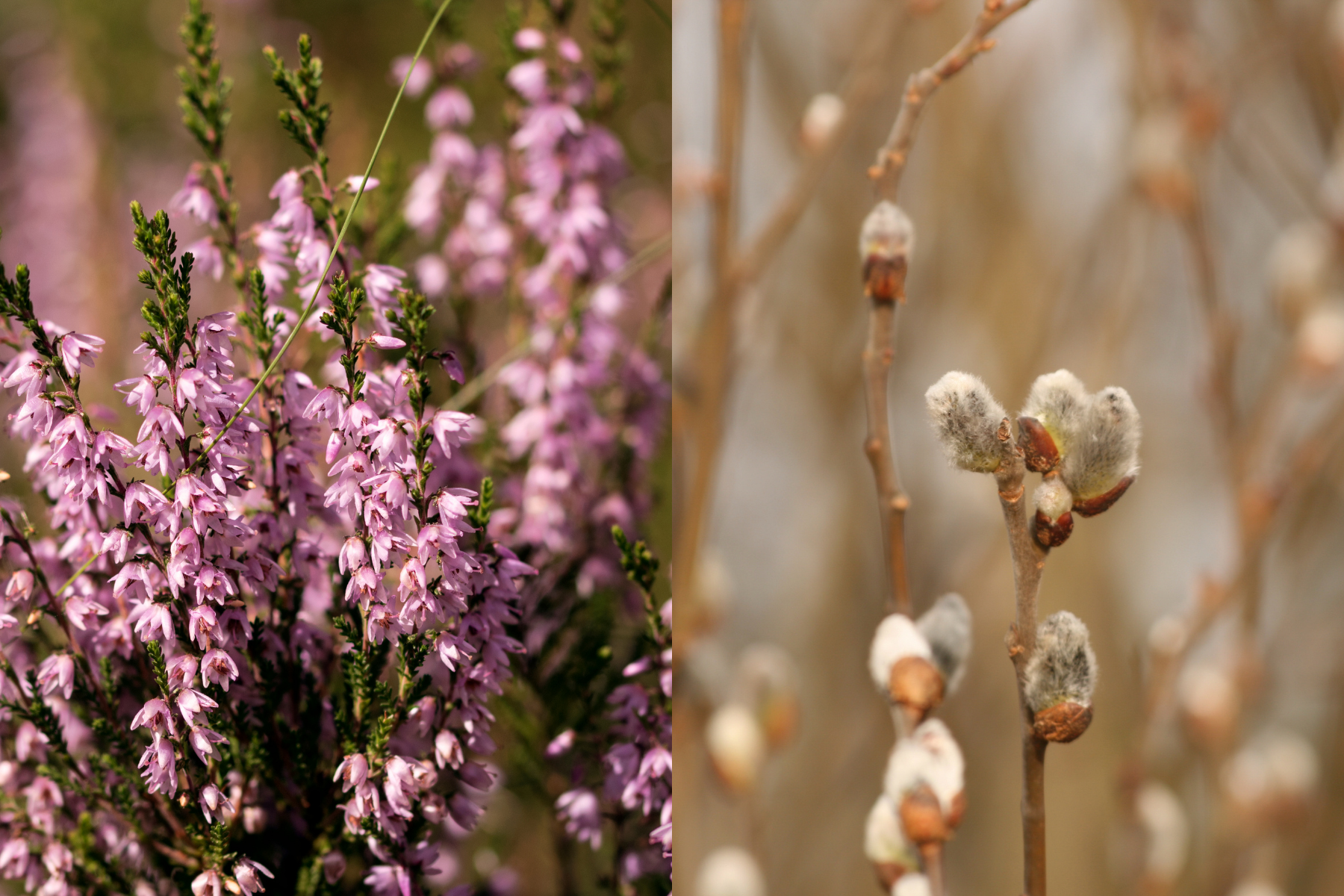
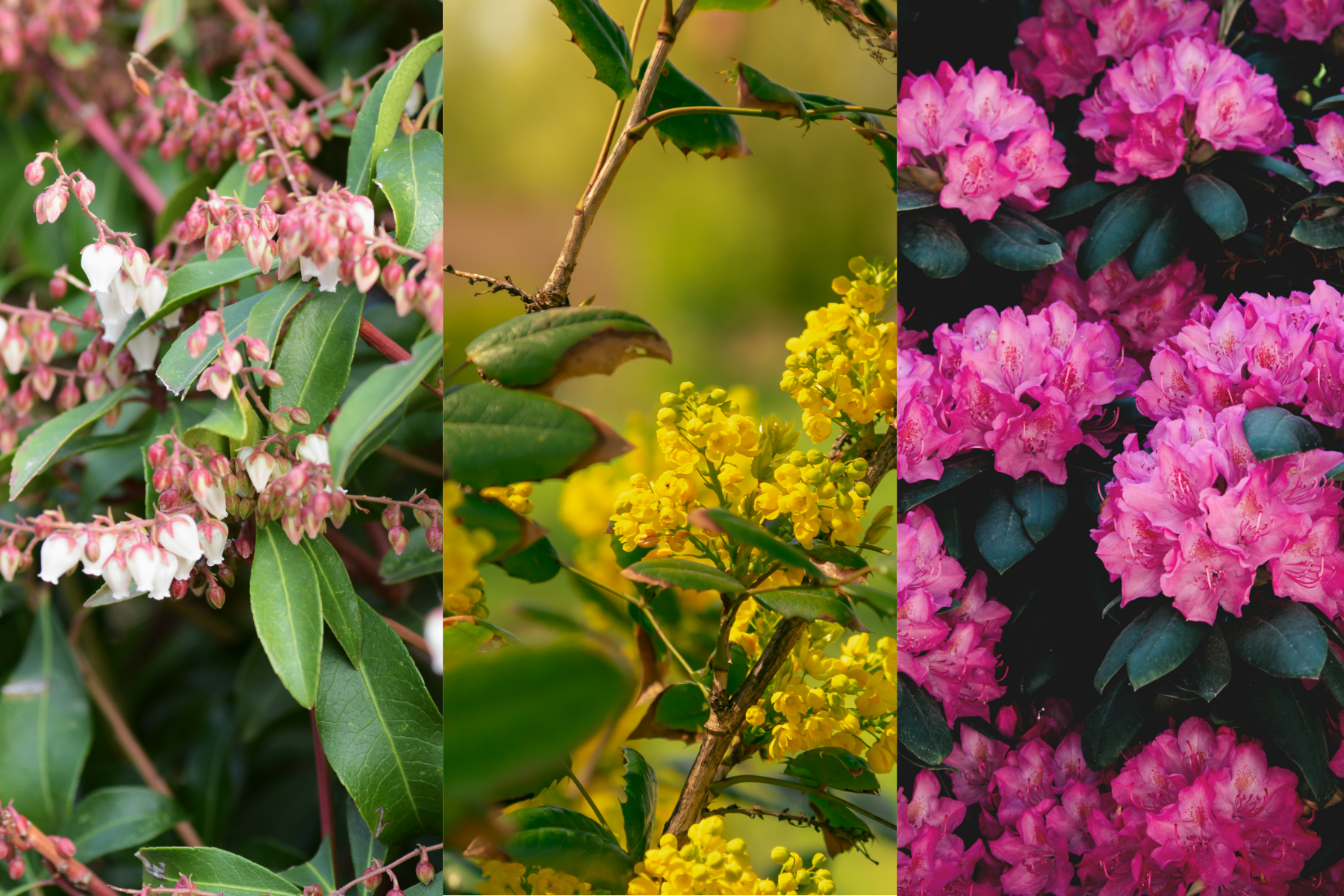
March – May
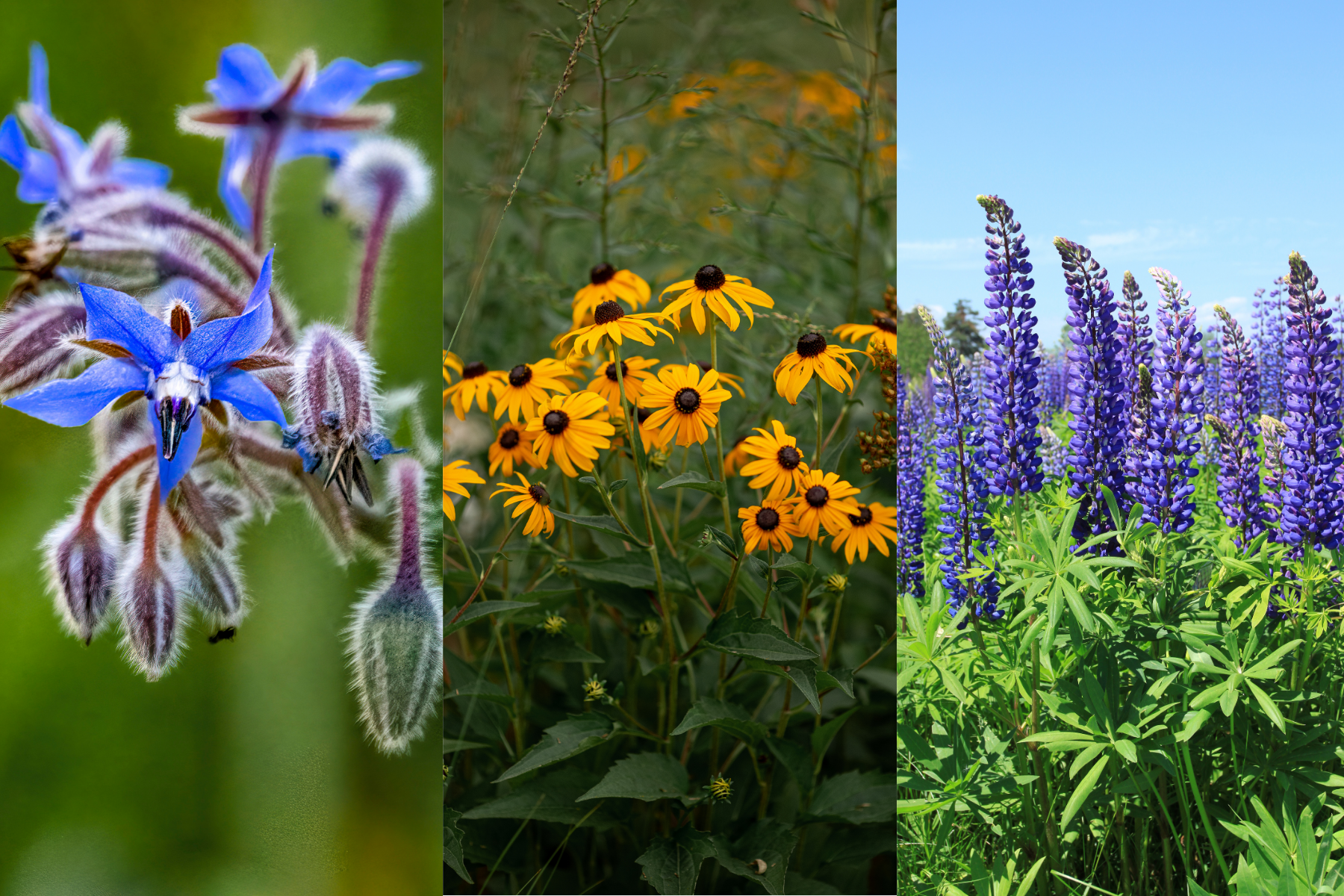
June – July
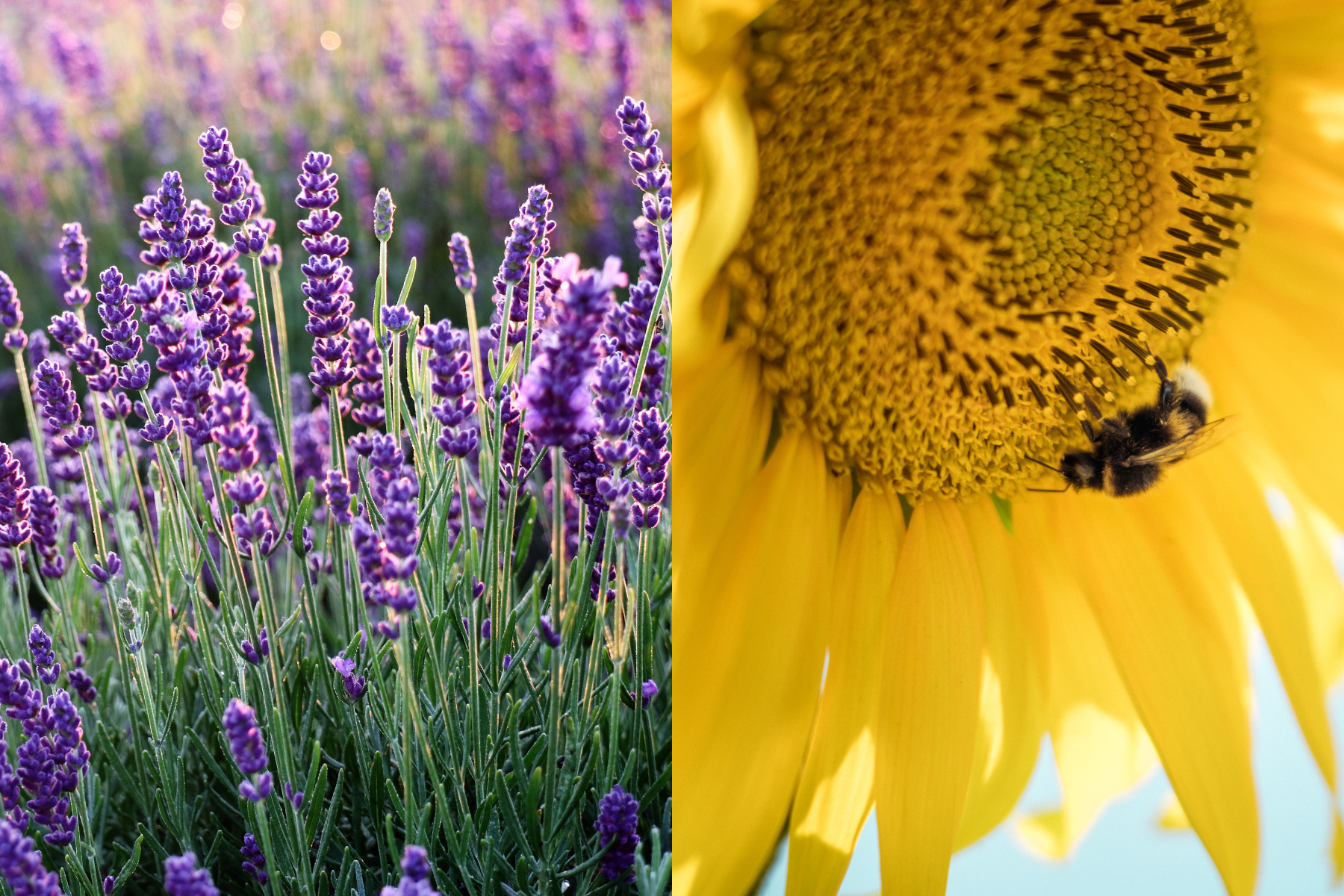
August – September
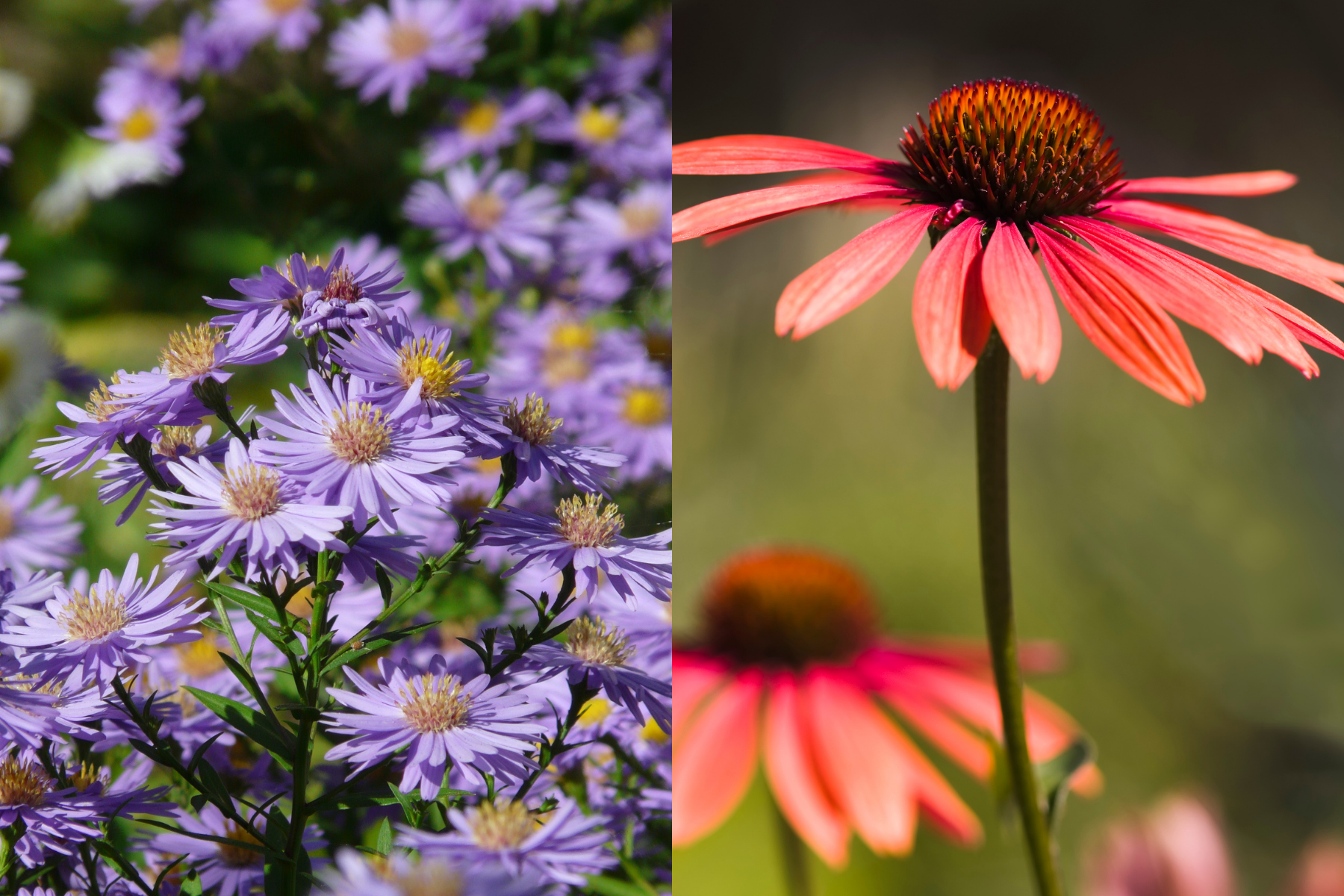
September – October
Mason Bee Learning Library
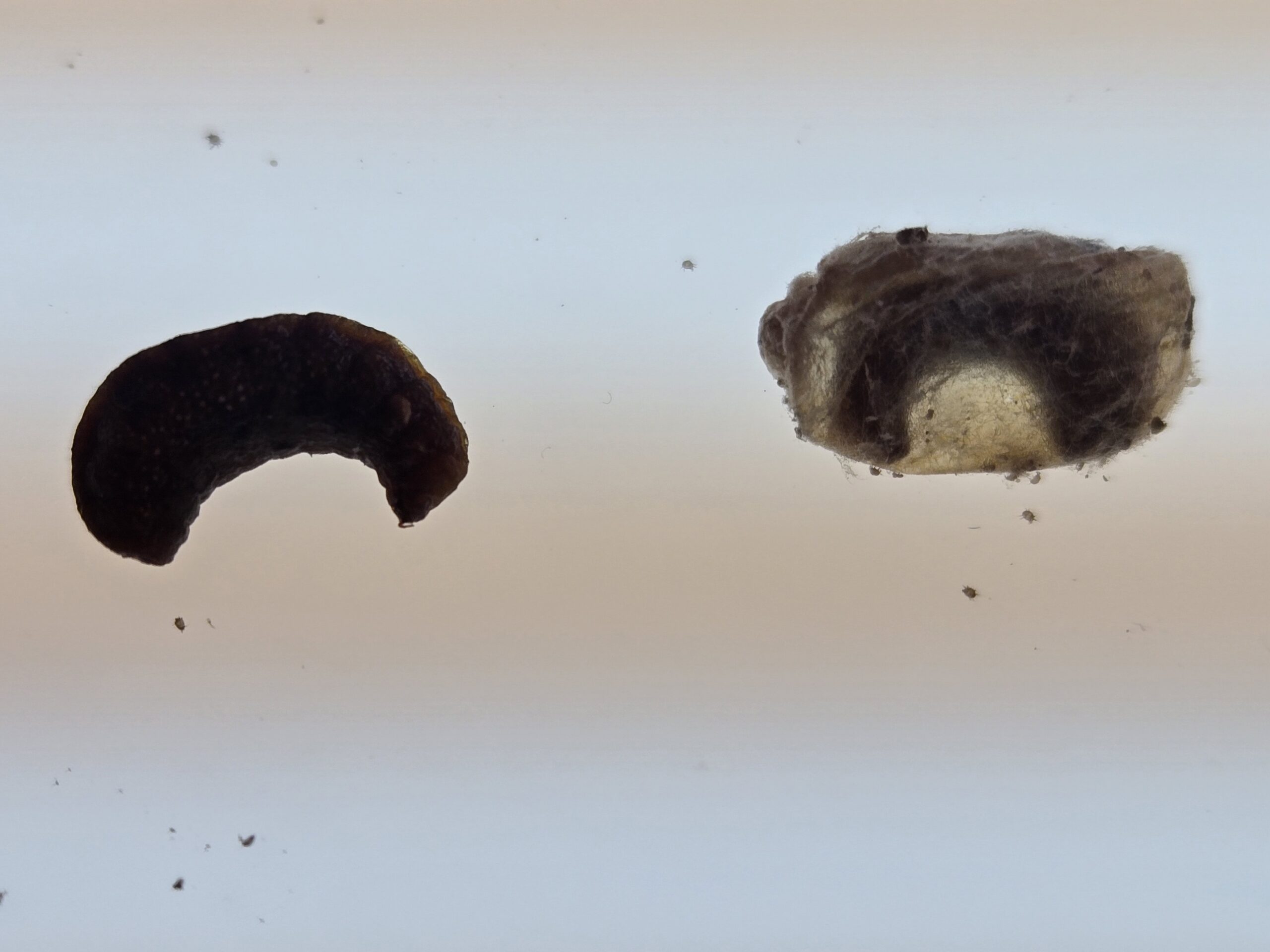
Check out some amazing pictures that our volunteers have captured of different common mason bee pests while cleaning our cocoons!
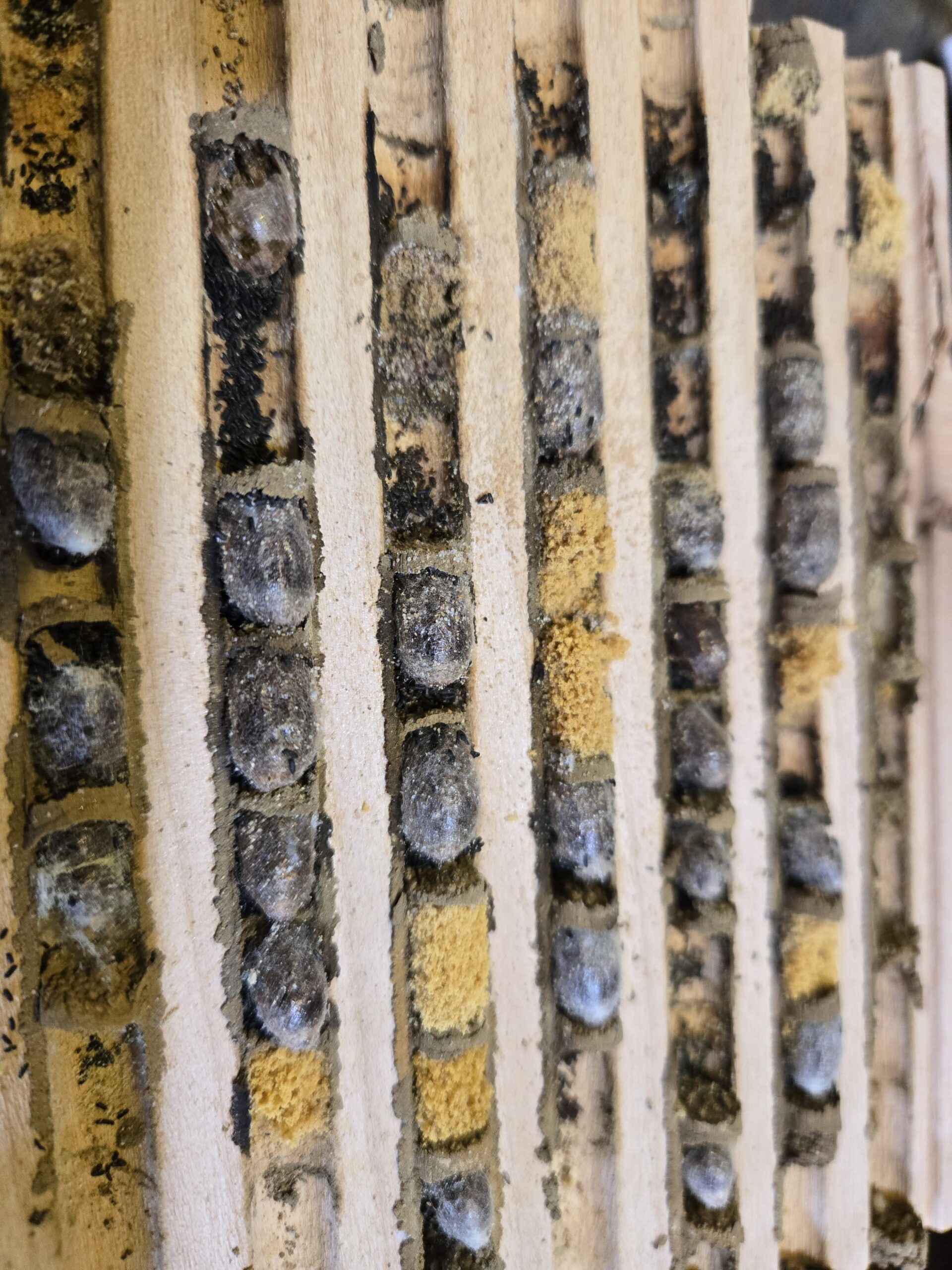
Pollen Mites
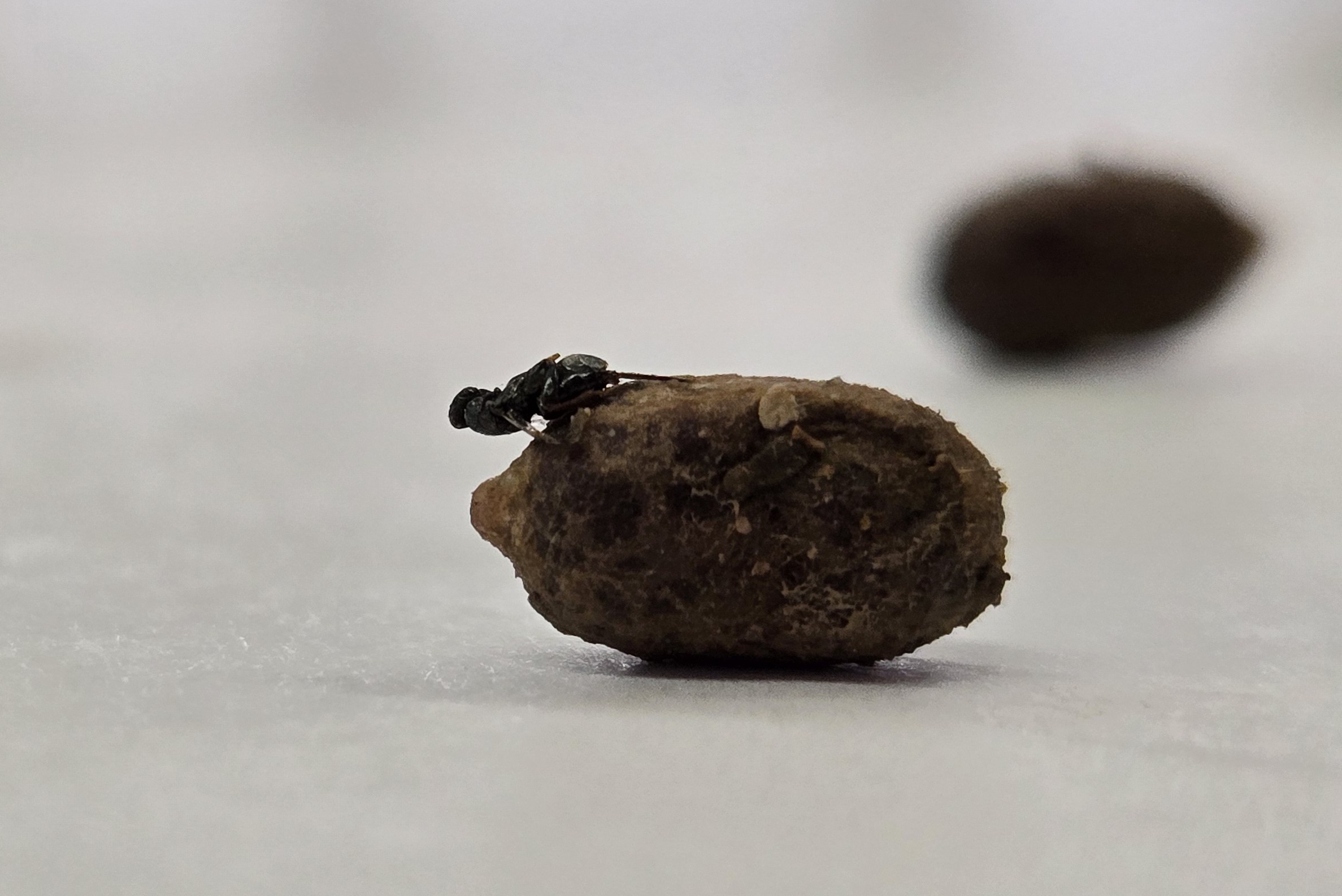
Monodontomerus Wasps