For a printable version of this page: Broccoli
Broccoli
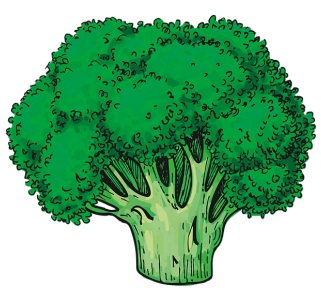
Broccoli gets its name from the Italian word broccolo, which means “the flowering crest of a cabbage.” The climate and soil in Skagit Valley are ideal for growing broccoli and other vegetables in the Brassica family like cauliflower, kale and turnips. About 1,400 acres of broccoli grown in Skagit County provide 90 percent of western Washington’s fresh market during the spring and fall months.
Nutrition
Broccoli is high in many nutrients, including fiber, vitamins A, vitamin C, and vitamin K, iron, calcium, and potassium. Broccoli is associated with health benefits including protection against cell damage, improved blood sugar and reduced risk of cancer.
Selection
Select fresh, tender, young stalks. They should have bright green heads, leaves and stems with compact dark green buds. Avoid broccoli that looks limp, has an odor, or has buds opening to show yellow.
To clean broccoli, dip whole broccoli head or florets in a bowl filled with warm, clean water for 30 seconds, then rinse with cold water. Dry with clean paper towel or cloth
Storage
For best storage, store broccoli uncovered in the refrigerator. Storing in a plastic bag will shorten shelf life, as will washing or chopping. For best quality use within a week. Wash under running water and chop just before using.
Measurements

Freezing
- Select firm, young, tender broccoli stalks with compact heads. Remove leaves and woody portions. Separate heads into convenient-size sections; Split lengthwise so flowerets are no more than 1 1/2 inches across. Rinse and drain.
- Blanching broccoli stops enzymes that otherwise cause undesirable changes in flavor, texture, color and nutritive value during storage.
- To avoid over- or undercooking during blanching, allow 1 gallon of water per pound of broccoli when blanching in boiling water.
- Blanch in boiling water for 3 minutes or steam blanch for 5 minutes.
- Drain and pack in moisture-vapor proof freezer containers or freezer weight plastic bags, squeezing out as much air as possible, leaving no head space.
- Seal, label, and freeze.
Drying
Preparation:
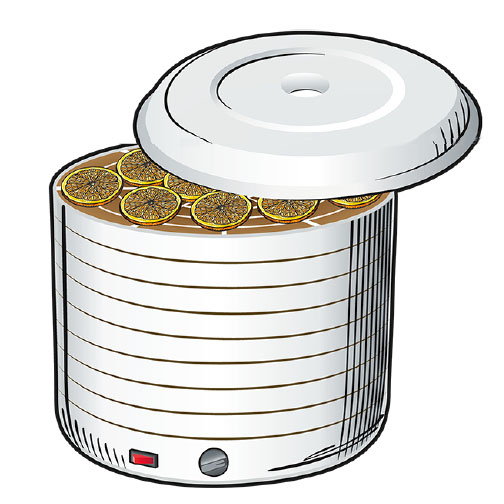
Wash broccoli and trim and cut. Quarter stalks lengthwise.
Pretreatment:
Blanch in boiling water 2-3 minutes or steam 3-5 minutes.
Drying Procedure:
- Arrange in single layers on drying trays. Dry at 140°F for 6-12 hours until leathery to crisp, no moist areas remain. Cool thoroughly.
- Package dried broccoli in moisture/vapor proof containers. Label.
- Store in a cool, dark, dry place.
- To reconstitute, cover with boiling water or add dry to soups and stews.
Canning

Broccoli is a low-acid food. Canning is not recommended and there are no processing times available from the USDA.
Preserve Skagit Crop Sheets describe three food preservation techniques—freezing, drying, and boiling water canning—consistent with USDA Food Preservation and Food Safety recommendations. Pressure canning for low acid foods such as meats and vegetables is not included.
Additional resources and recipes, as well as information on Pressure Canning, can be found on the WSU Skagit Food Preservation Website https://extension.wsu.edu/skagit/fam/food-preservation/ or the National Center for Home Food Preservation https://nchfp.uga.edu/index.html.
Copyright 2022 WSU Skagit Extension. Any opinions, findings, conclusions, or recommendations expressed on this fact sheet are those of the author(s) and do not necessarily reflect the view of the USDA. WSU Extension programs are available to all without discrimination