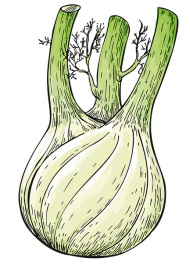
Fennel
Fennel is a flavorful culinary herb and medicinal plant. Part of the carrot family, the thick, crisp fennel bulb grows above ground with its long stalks weaving together, and at the tip of the stalks are light feathery leaves resembling dill. Fennel has a mild, licorice-like flavor. To prepare fresh fennel, slice the bulb into thin slices and use it raw and crisp in all kinds of salads, or cook it gently and let the flavor mellow and sweeten and the texture turn silky. The leaves/fronds can be chopped and used as an herb in salad dressing and other dishes. Skagit has the ideal conditions for growing fennel.
Nutrition
Fennel bulbs are a good source of Vitamin C, Potassium, Manganese, and fiber associated with immune health, tissue repair, anti-inflammatory, and antibacterial effects. Fennel bulb has only 30 calories per cup and contains no fat or sodium.
Selection
Choose fennel that has fresh[1]looking greens on long branches. The fennel bulbs should be bright white with no discolorations or soft spots. As the fennel sits, the leaves/fronds can wilt, so may be cut off when in the market. To clean, rinse the fennel bulb under running water, rinsing between the stalks to remove any dirt.
Storage
For best storage, store fennel in the refrigerator in a tightly sealed plastic bag. You may need to double-bag in order to cover the leaves/fronds.
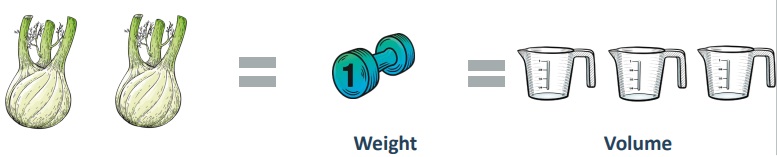
Measurements
Freezing
- Wash the fennel bulb, removing stalks and leaves.
- Cut the bulb into lengthwise quarters or crosswise 1-inch slices and blanch.
- Blanch in boiling water for 3 minutes or steam blanch for 5 minutes. Cool immediately by immersing in ice water for an equivalent amount of time. To avoid over- or undercooking during blanching, allow 1 gallon of water per pound of fennel when blanching in boiling water.
- Drain and pack in moisture-vapor proof freezer containers or freezer weight plastic bags, squeezing out as much air as possible. Seal, label and freeze.
Drying
Preparation:
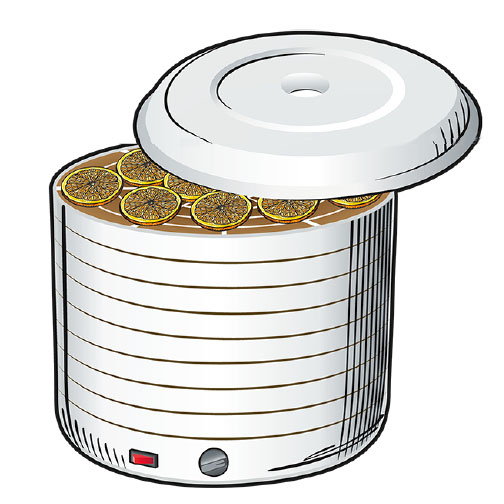
Wash the fennel bulb, removing stalks and leaves. Thinly slice the bulb.
Pretreatment:
Blanch in boiling water for one minute, cool immediately by immersing in ice water for an equivalent amount of time. Drain.
Drying Procedure:
- Arrange in single layers on drying trays.
- Dry at 130° F until brittle, no moist areas remain; approximately 12 hours . Cool thoroughly.
- Package dried fennel in moisture/vapor proof containers. Label. Store in a cool, dark, dry place.
- To reconstitute, cover with boiling water or add dry to soups and stews.
Canning

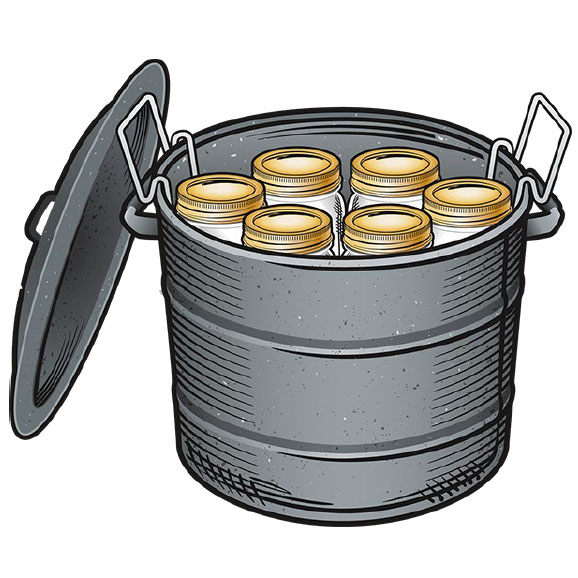
Fennel is a low-acid food. Canning is not recommended and there are no processing times available from the USDA.
Preserve Skagit Crop Sheets describe three food preservation techniques—freezing, drying, and boiling water canning—consistent with USDA Food Preservation and Food Safety recommendations. Pressure canning for low acid foods such as meats and vegetables is not included.
Additional resources and recipes, as well as information on Pressure Canning, can be found on the WSU Skagit Food Preservation Website https://extension.wsu.edu/skagit/fam/food-preservation/ or the National Center for Home Food Preservation https://nchfp.uga.edu/index.html.
Copyright 2022 WSU Skagit Extension. Any opinions, findings, conclusions, or recommendations expressed on this fact sheet are those of the author(s) and do not necessarily reflect the view of the USDA. WSU Extension programs are available to all without discrimination