
Fire-Wise
Fire-Resistant Choices for your landscape
Thoughtful landscaping around the home is essential for reducing risk in the event of a wildland fire. Regular watering and maintenance of your landscape helps create and sustain defensible space around your property.
Although all plants can burn under the right conditions, some are more FIRE-PRONE than others, while some are considered more FIRE-RESISTANT. Incorporating fire-resistant vegetation, along with proper maintenance, is key to reducing the risk of home loss.
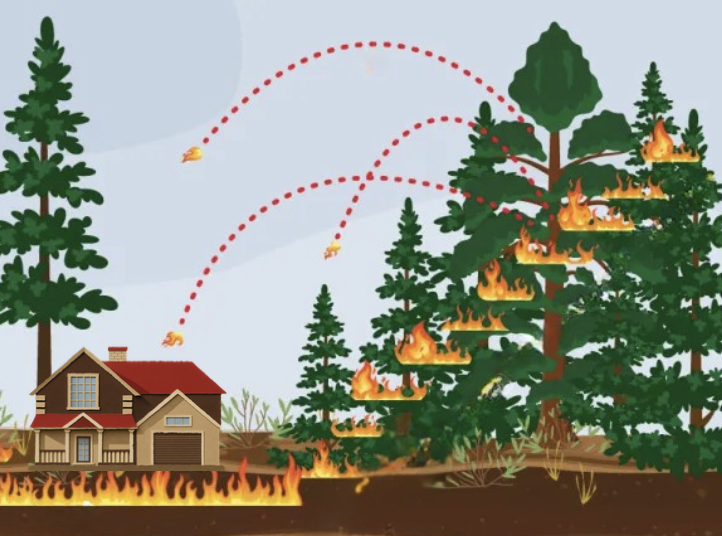
How Wildfire Threatens Homes
Wildfire can impact homes in three primary ways:
- Direct Contact with Flames
- Radiant Heat
- Embers
Burning embers pose the greatest risk. They can be carried high into the air and travel more than a mile ahead of the main fire. When embers land in easily ignitable materials, they can quickly start new fires. Homeowners can significantly reduce their risk through thoughtful landscaping choices and consistent property maintenance.
General Maintenance Recommendations
Regular upkeep is essential for reducing wildfire risk. Key practices include:
- Cleaning roofs and gutters to remove leaves and debris
- Watering plants located near the home
- Raking and removing dry leaves, pine needles, and other debris
- Pruning trees and shrubs to maintain healthy spacing
General Landscaping Guidelines
Firewise landscaping focuses on creating defensible space and reducing fuel sources around the home. Consider the following:
- Maintain appropriate plant height and spacing
- Incorporate hardscape features such as patios and walkways to serve as firebreaks
- Prevent “ladder fuels” by removing lower branches and spacing vegetation vertically
- Select fire-resistant plants appropriate for each zone around the home.
Plant Selection by Fire Zones
Plant selection is a key part of fire-resistant landscaping. Choose plants with fire-resistant characteristics:
- High moisture content in leaves for slower ignition
- Minimal dead or dry material buildup
- Open branching structure
- Low plant density (fewer leaves and branches)
- Slow growth habits requiring less maintenance
- Non-resinous plant material
- Avoidance of highly flammable species such as juniper, pine, spruce, fir, and arborvitae
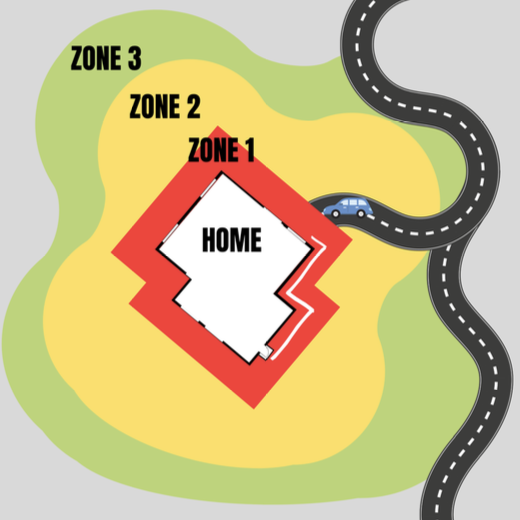
Immediate Zone (0-5 feet from structures)
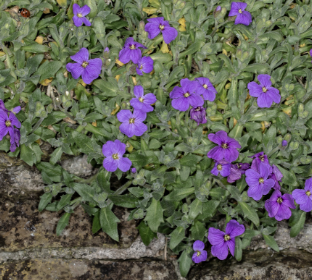
Rock Cress
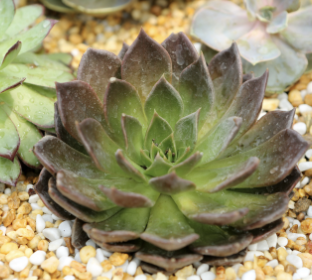
Hens & Chick
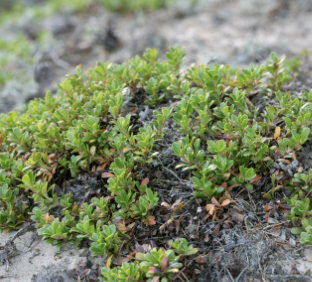
Kinnikinnick
- Low growing under 2 feet
- Non-woody stems & broad leaves
- High moisture content
- Non-resinous material
- Inorganic mulches
Intermediate Zone (5-30 feet from structures)
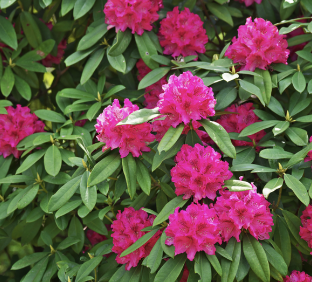
Rhododendron
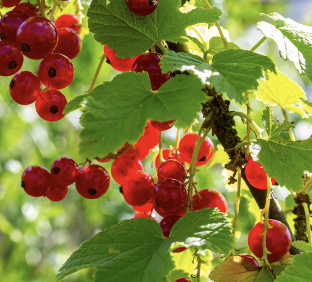
Red Currant
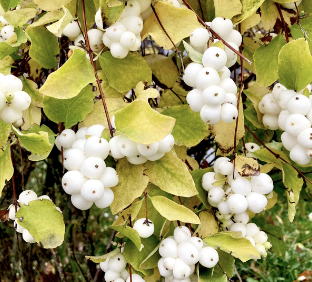
Snowberry
- Maximum plant height of 8 feet
- Low plant density
- Slow growing
- High moisture content
- Inorganic fuel breaks
Extended Zone (30-100 feet from structures)
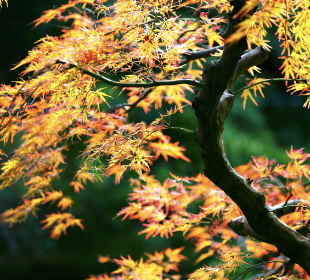
Maple
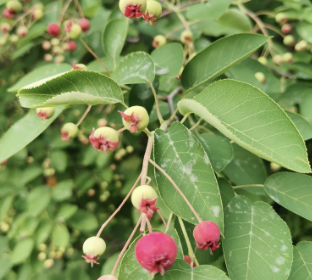
Serviceberry
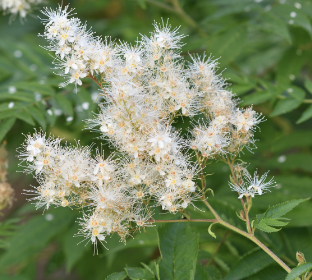
Smoke Tree
- No height restriction
- Open branching structure
- Deciduous trees
- Low and moderately flammable plants

Key Reminder
No plant is completely fireproof. Proper placement, spacing, and regular maintenance are just as important as plant selection. Check with your local garden center to ensure plants are appropriate for your microclimate.
Resources for Understanding Wildfire Threat
National Fire Protection Association Videos:
- Protecting Your Home (#1: 10 minutes)
Watch - Protecting Your Home (#2: 9 minutes)
Watch - Your Home can Survive a Wildfire (13 minutes)
Watch
Fire Wise USA:
Washington State Department of Natural Resources:
Washington State Fire Adapted Communities Learning Network:
Fire Resistant Landscaping Resources
- Fire Resistant Plants for Eastern Washington
(very comprehensive – check resources at end of document) - PNW 590: Fire Resistant Plants for Home Landscapes–Overview (Oregon State University)
- PNW 590: Fire Resistant Plants for Home Landscapes–Plant List (Oregon State University)
- Fire Resistant Plants for Chelan/Douglas County Washington:
A step-by-step guide for choosing the right plant for the right place (WSU Chelan/Douglas Master Gardeners) - Fire-Resistant Plants for the Puget Sound Basin
- Beware of ARBORVITAE Plant Torches