
Keystone Plants
PNW Keystone Native Plants
A keystone native plant is a high-value native species for biodiversity. Keystone native plants are native plants that have an outsized impact on a local ecosystem because they support a large number of insects, birds, and other wildlife. They provide crucial food or shelter and help hold the food web together.
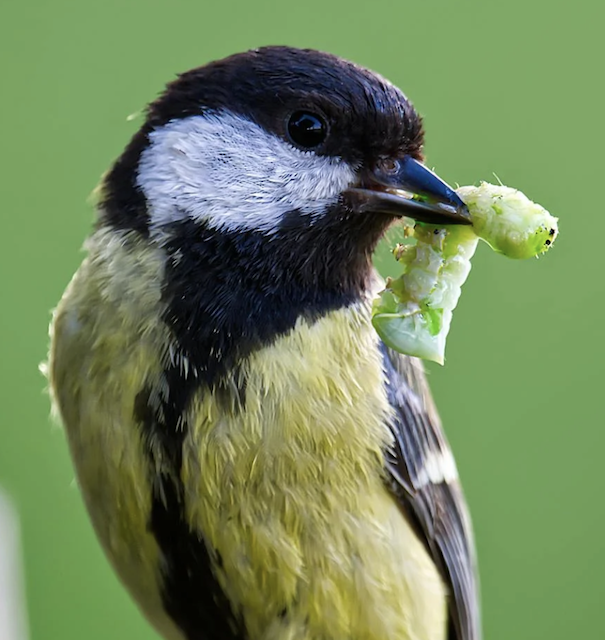
Why They Are Needed:
We need to add keystone native plants to our yards because most modern yards prioritize lawns and ornamental flowers and shrubs over native plants.
Local wildlife populations are in decline. Adding food sources to support their food web can help them recover.
Two Types:
Keystone Plants for Bees: Plants that feed specialist bees who only eat pollen from specific plants. Keystone plants for native bees feed both specialist and generalist bees.
Keystone Plants for Butterflies and Moths. Host plants that feed the young caterpillars of approximately 90% of butterflies and moths (Lepidoptera).
Keystone Plants for the Pacific Northwest (ecoregion 7):
Happily, keystone natives are beautiful and can fit well within the established structure of your landscape. Check out the “greatest hits” of keystone plants in the Pacific Northwest below.
Top Ten Flowering perennials:
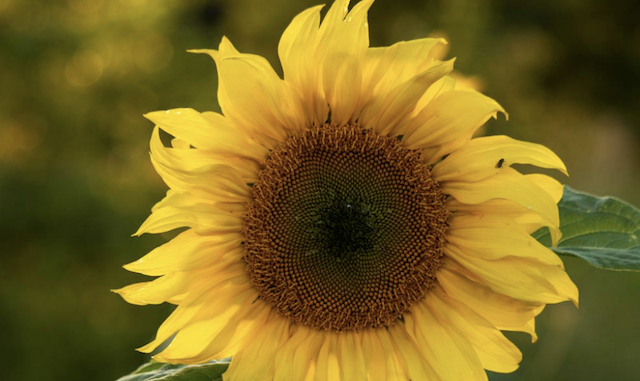
Sunflower
49 caterpillar species use this as a host.
50 bee species rely on this plant.
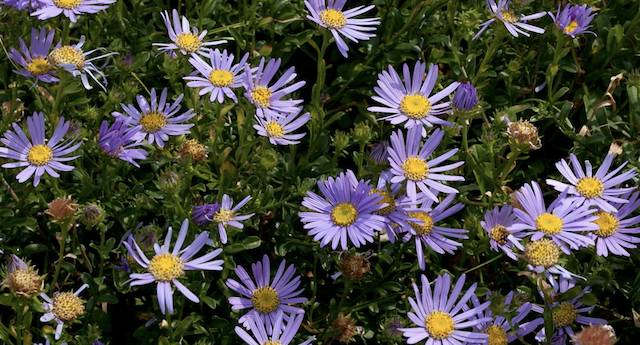
Aster
3 caterpillar species use this as a host.
33 bee species rely on this plant.
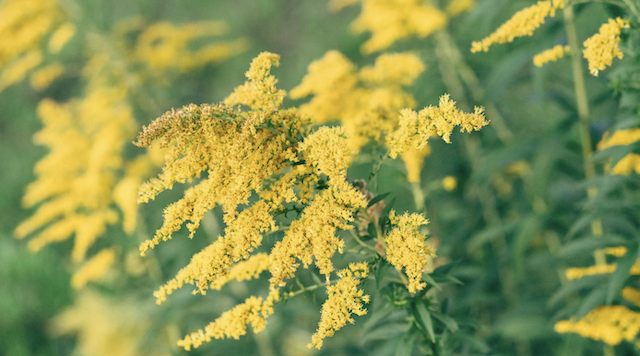
Goldenrod
49 caterpillar species use this as a host.
42 bee species rely on this plant.
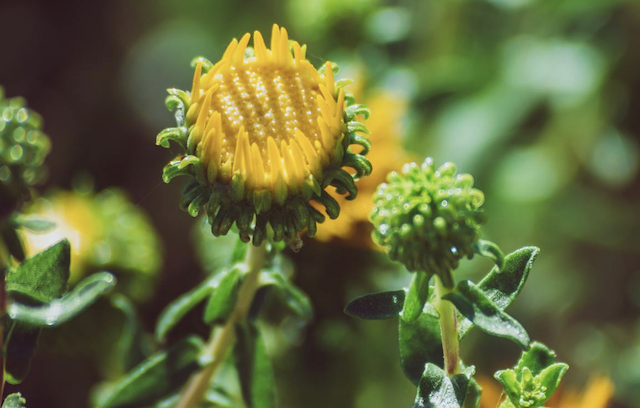
Curlycup gumweed
9 caterpillar species use this as a host.
31 bee species rely on this plant.
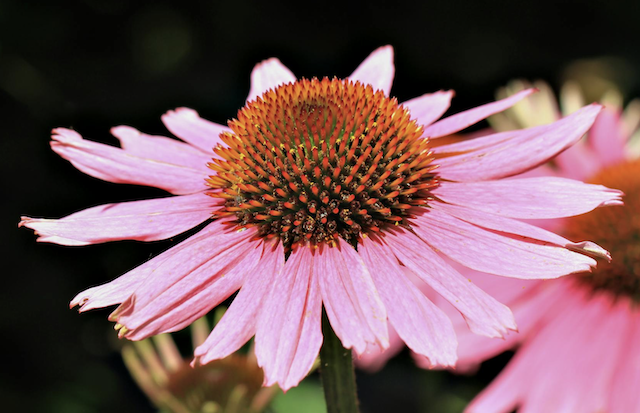
Western Coneflower
4 caterpillar species use this as a host.
29 bee species rely on this plant.
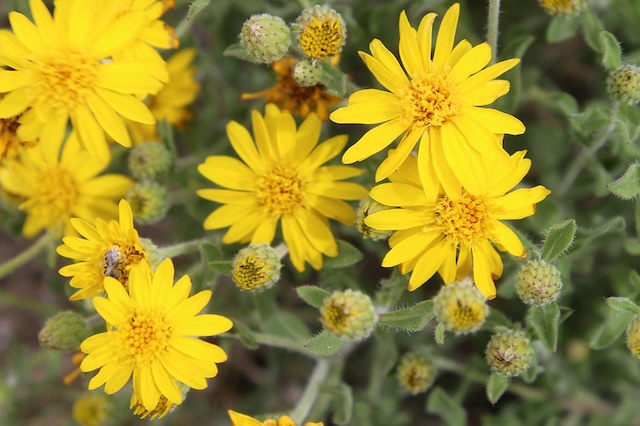
Hairy False Golden Aster
7 caterpillar species use this as a host.
24 bee species rely on this plant.
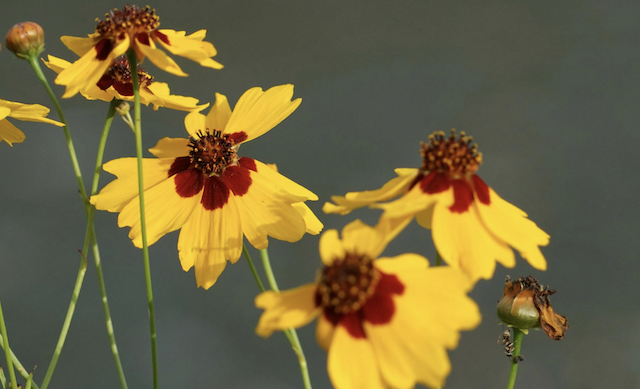
Coreopsis
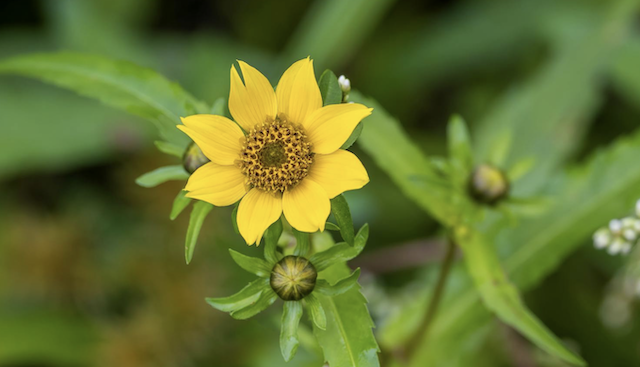
Nodding bur-Marigold
14 bee species rely on this plant.
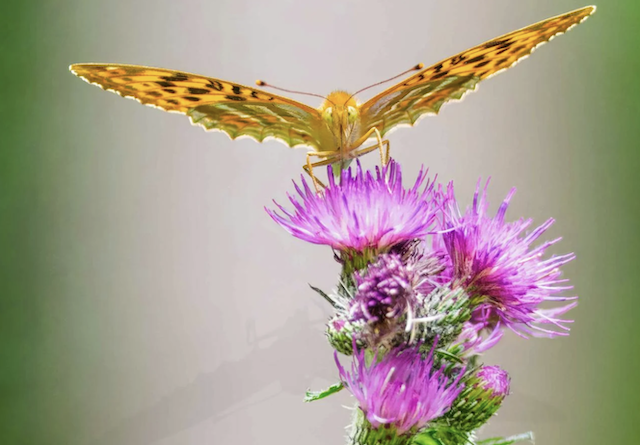
Clustered thistle
15 bee species rely on this plant.
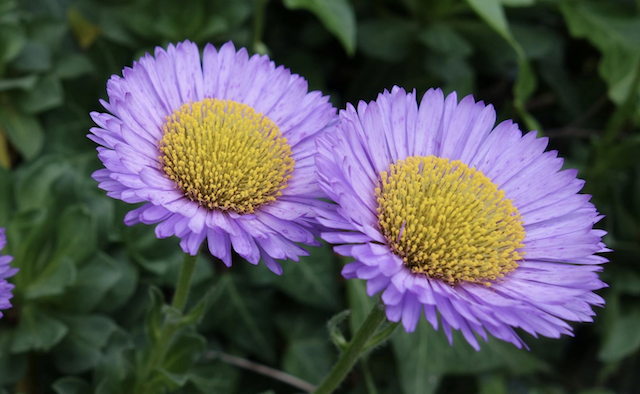
Glacial daisy
12 bee species rely on this plant.
Top Ten Shrubs & Trees:
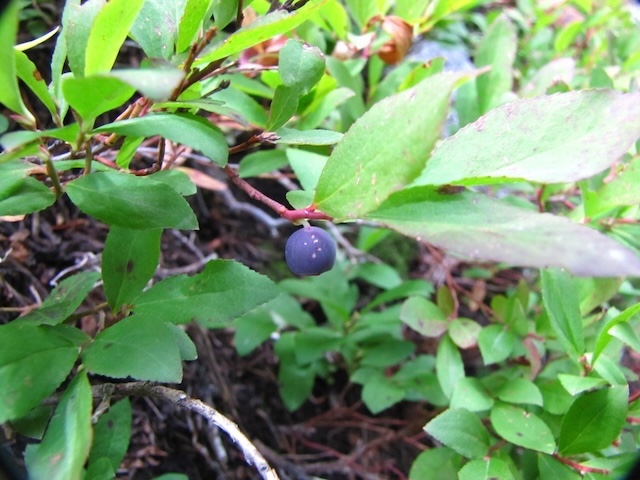
Dwarf bilberry
217 caterpillar species use this as a host.
14 bee species rely on this plant.
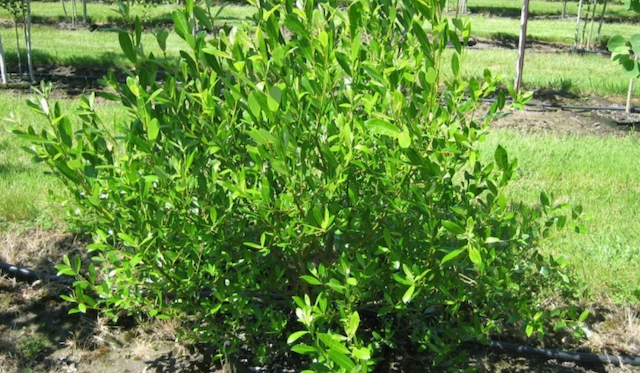
Scouler’s willow
289 caterpillar species use this as a host.
14 bee species rely on this plant.
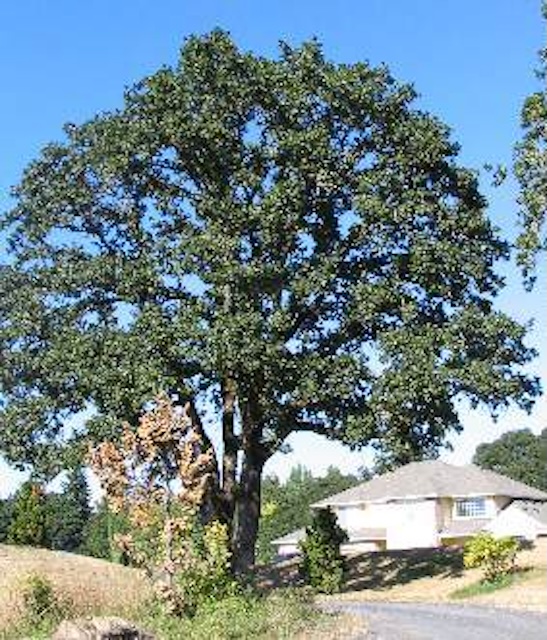
Oregon White Oak
436 caterpillar species use this as a host.
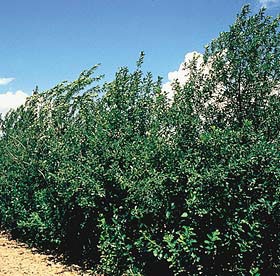
Choke Cherry
340 caterpillar species use this as a host.
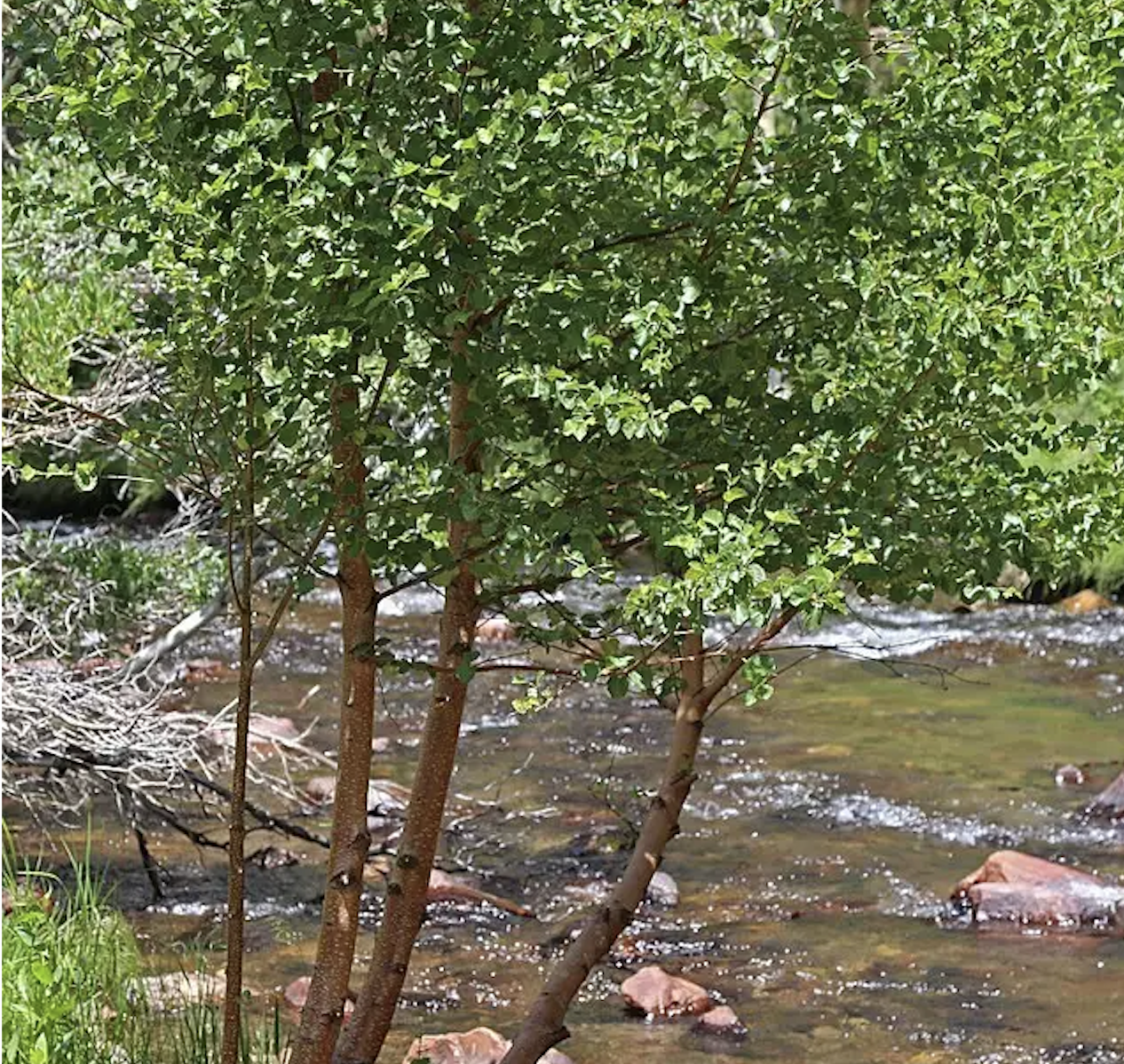
Water Birch
289 caterpillar species use this as a host.
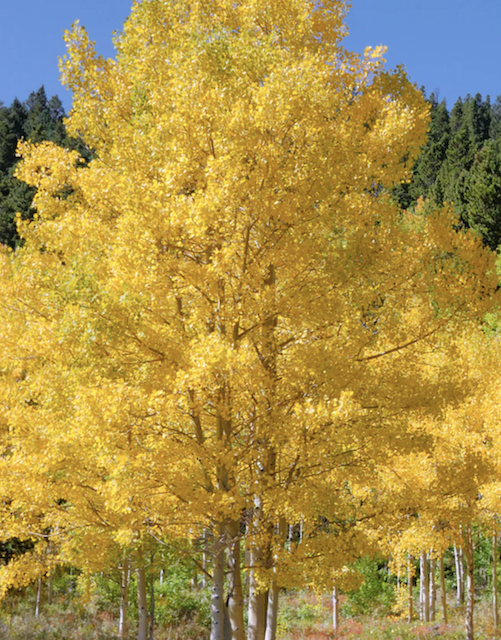
Aspen Trees
249 caterpillar species use this as a host.
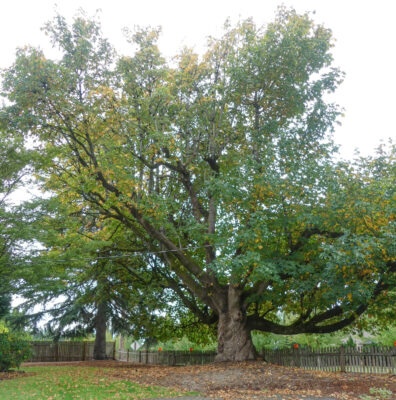
Bigleaf Maple
238 caterpillar species use this as a host.
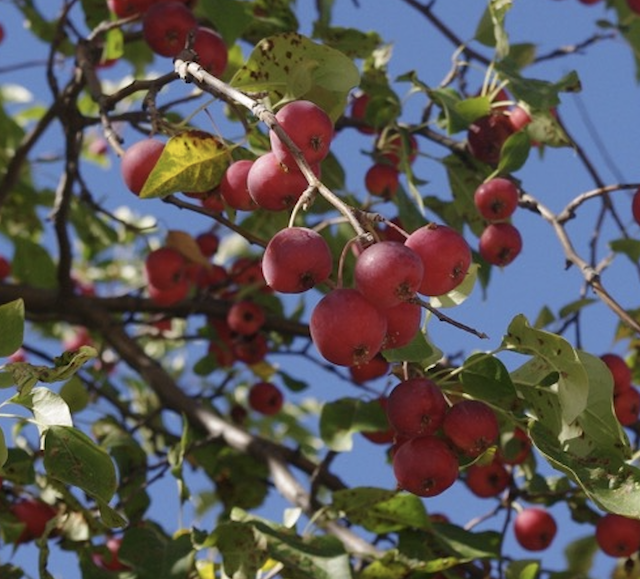
Crabapple
237 caterpillar species use this as a host.
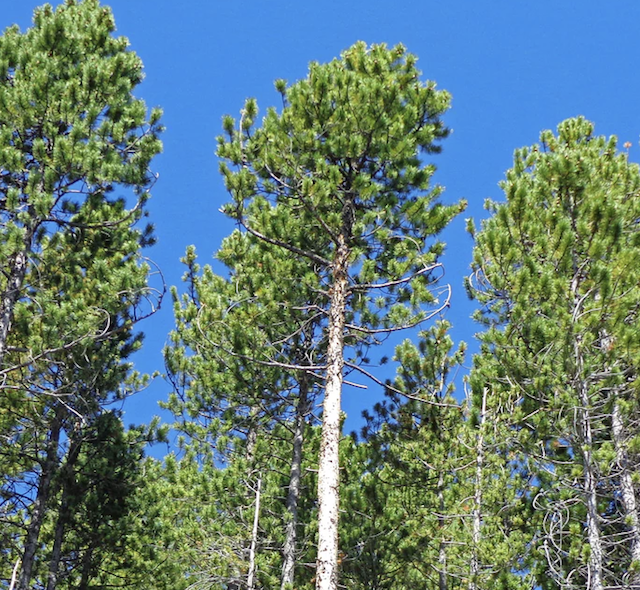
Lodgepole pine
200 caterpillar species use this as a host.
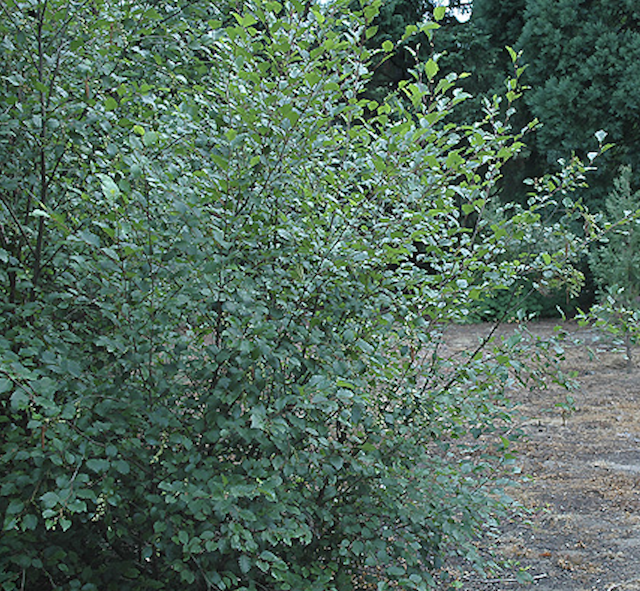
Sitka Alder
173 caterpillar species use this as a host.
Resources on Keystone Plants

Print Resources:

Nature’s Best Hope
A New Approach to Conservation
That Starts in Your Yard
By Douglas W. Tallamy
Timber Press, 2019
ISBN 978-1-60469-900-5