Integrated Pest Management (IPM) offers an environmentally friendly, science-based approach to managing garden pests, diseases, and weeds. Whether you’re a new or experienced gardener, learning IPM principles can help you create a climate-resilient and pollinator-protective landscape.
What is IPM?
IPM is a strategy that combines observation and a suite of pest control methods—cultural, mechanical, biological, and chemical—to manage challenges with minimal pesticide use. The focus is on prevention, monitoring, and choosing interventions that protect plant health and ecosystem balance.
Key Takeaways:
- Prevention First: Healthy plants are less likely to have pest problems. Choose the right plant for the right place, use proper planting and watering techniques, and select resistant varieties.
- Monitoring: Regularly observe your garden. Early detection makes pest control easier and limits the need for intervention.
- Integrated Control Methods:
- Cultural Control: Crop rotation, planting dates, and site management.
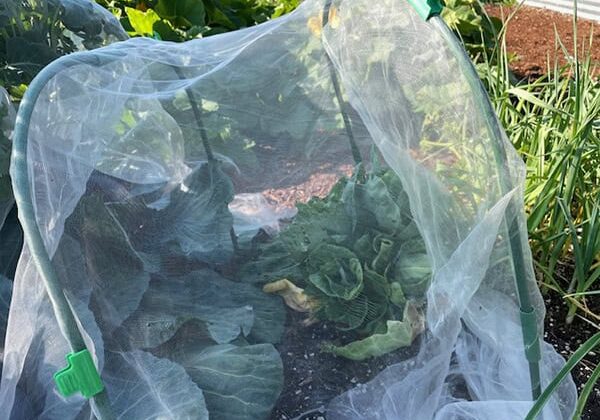
- Mechanical/Physical Control: Row covers, hand-picking pests, weeding, and barriers.
- Biological Control: Use of beneficial insects (like lady beetles) or animals (like goats for weeds).
- Chemical Control: Use pesticides only as a last resort, following label instructions and considering their impact on pollinators and beneficial insects.
- Tolerate Some Damage: A little pest activity often means fewer chemicals are needed, helping the environment.
- Be Inclusive and Safe: Make decisions based on accurate diagnoses and consider environmental health, human safety, and resource protection.
Why is IPM Important?
Using IPM can reduce pesticide use in your garden by up to 90%, promote the health of pollinators and beneficial insects, and support sustainable, beautiful landscapes.
Read the full article:
Let’s Talk About Integrated Pest Management
Resources and References:
- National Pesticide Information Center: IPM
- WSU Extension, Master Gardener Program publications
- Skagit County WSU Extension Office: 360-428-4270
This information is provided by Deborah Smeltzer, Skagit County WSU Extension Master Gardener. For questions about gardening or becoming a Master Gardener, contact the Skagit County WSU Extension Office or visit their website.
Questions about home gardening or becoming a master gardener may be directed to Skagit County WSU Extension Office, 11768 Westar Lane, Suite A, Burlington, WA 98233; by phone: 360-428-4270; or via the website: www.skagit.wsu.edu/mg
Washington State University Extension helps people develop leadership skills and use research-based knowledge to improve economic status and quality of life. Cooperating agencies: Washington State University, US Department of Agriculture, and Skagit County. Extension programs and policies are available to all without discrimination. To request disability accommodations contact us at least ten days in advance.