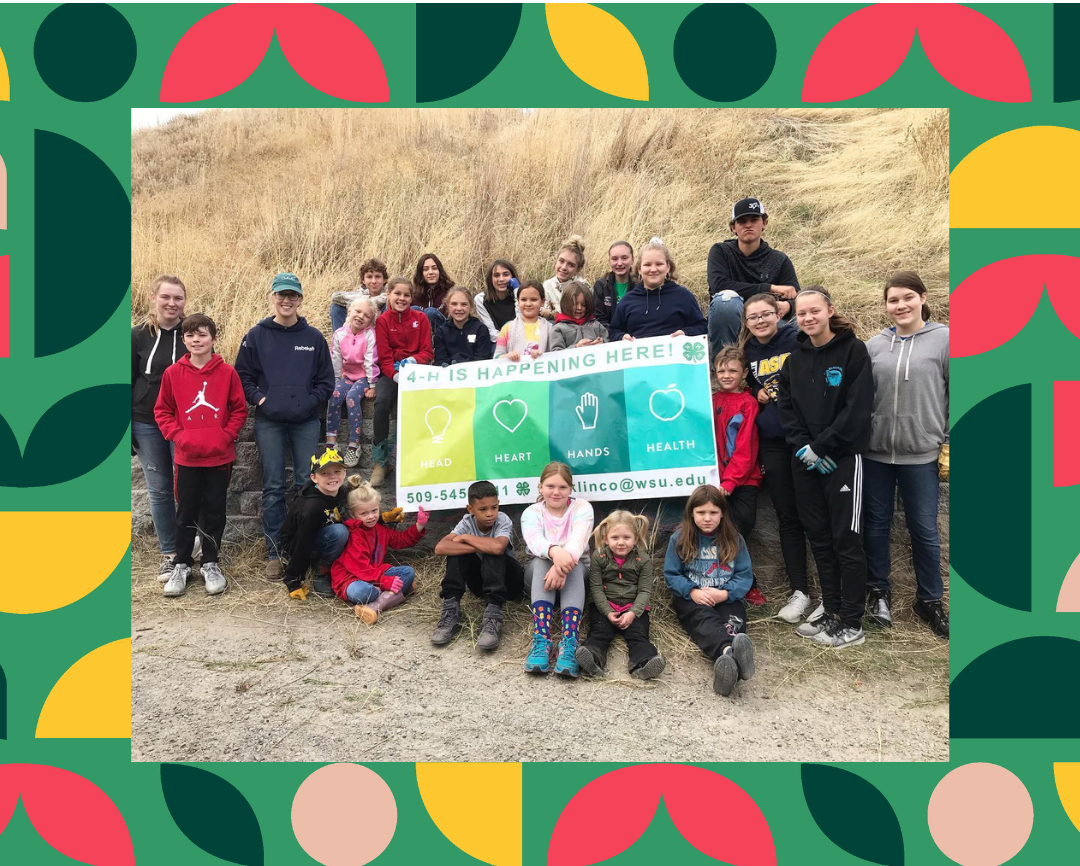
Our Mission
4-H youth development education creates supportive environments for all youth and families to reach their fullest potential. This will be accomplished through a systemic approach of foundation and mission driven science to meet our goals to:
- provide formal and non-formal experiential learning,
- develop skills that benefit youth throughout life,
- foster leadership and volunteerism in youth and adults,
- build internal and external partnerships for programming and funding,
- strengthen families and communities,
- employ research based knowledge and the land grant university system,
- embrace and expand the traditions of the 4-H Youth Program.
Frequently Asked Questions
- What is 4-H?
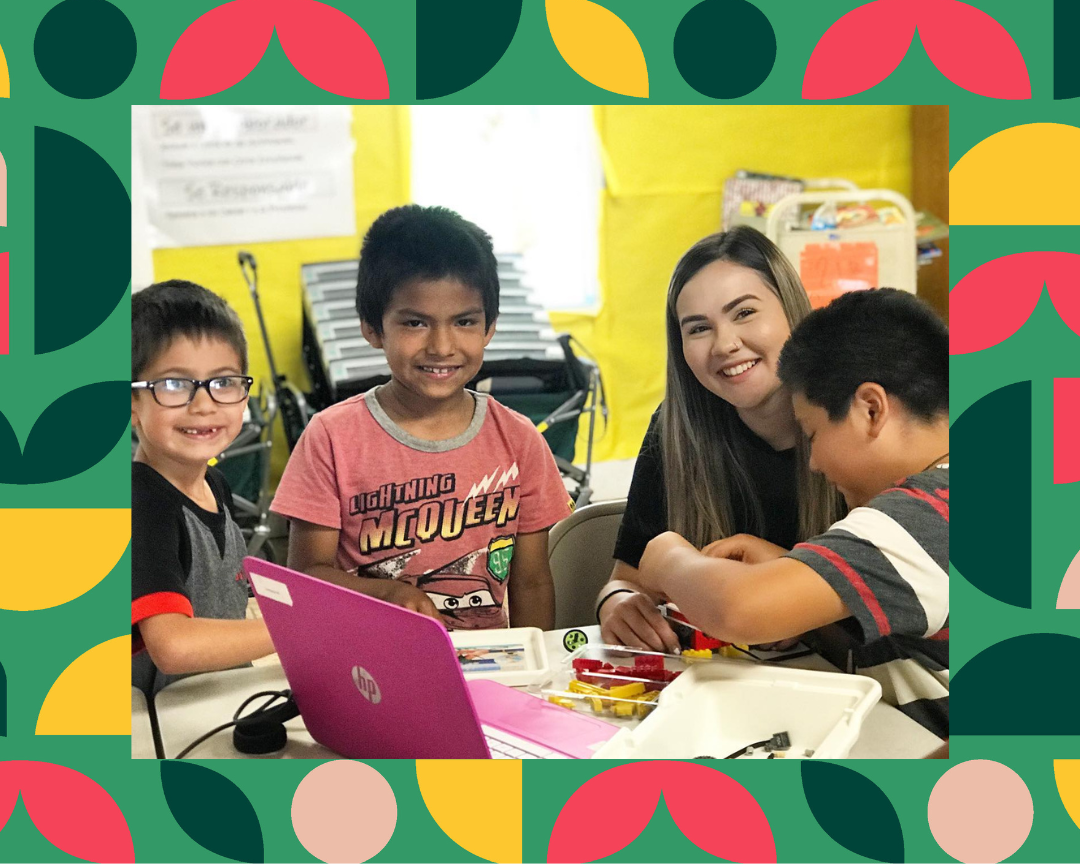
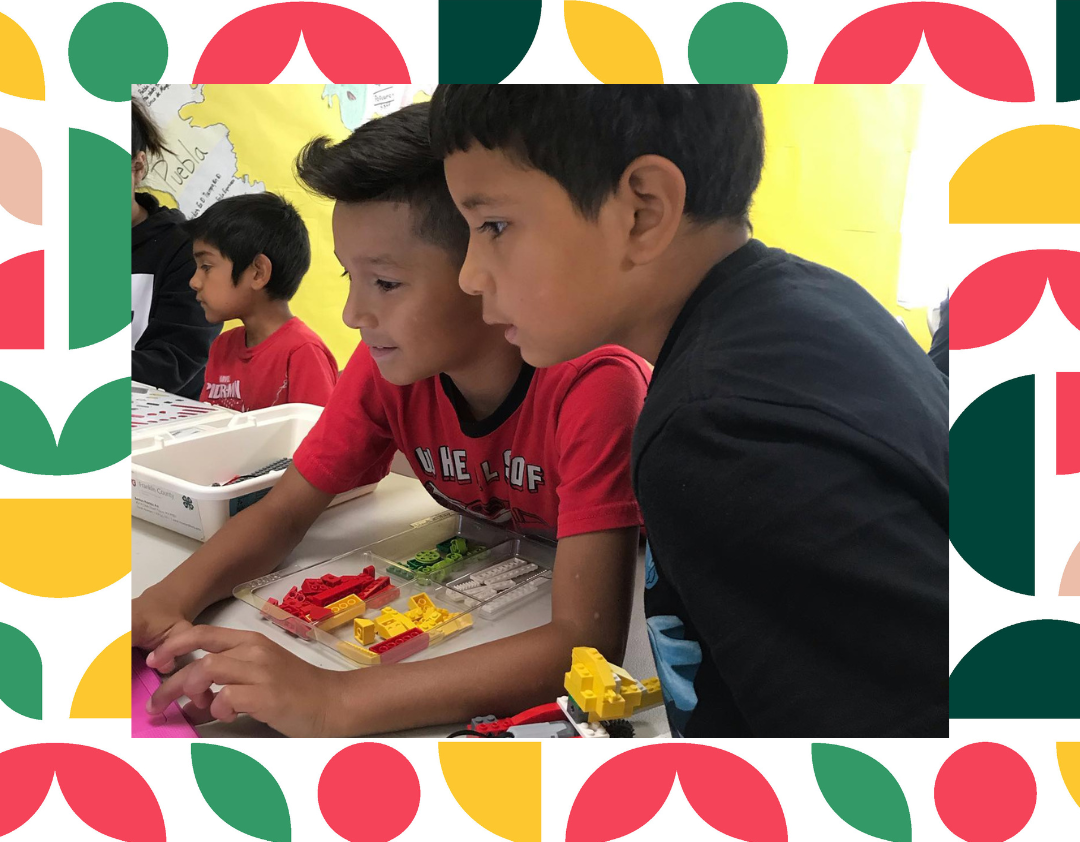
4-H members “learn by doing.” Through hands-on learning experiences, youth members, with guidance from adult volunteers, and learn useful skills they can use throughout their lifetime.
- How can I join 4-H?
The 4-H year begins October 1st. Any youth 5 years of age through 19 years of age (as of October 1st of current 4-H year) may participate in the 4-H Program. Parents should contact the 4-H office as early in the 4-H year as possible to be placed in contact with a club in your vicinity.
- Do I have to have animals or live on a farm?
Absolutely not! 4-H Clubs can explore any subject area or project that interests them! Project areas include but are not limited to: Expressive Arts, Family Living, Mechanical Sciences, Environmental Stewardship, Plant Sciences, Social Sciences, Animal Sciences, and Self-Determined projects. Members choose projects that fit into their family, community, and the way they live. A project is what the member decides to learn about, make, or raise. Sharing projects with parents brings 4-H into the family and the family into 4-H.
- What other youth activities does 4-H provide?
4-H Members also participate in many of the following activities to enrich their 4-H experience:
- Public Presentations: 4-H members show and tell others how to do something they have learned. Members learn public speaking and communication skills while helping others.
- Record Keeping: 4-H members keep a written record of what they have done during the 4-H year. Keeping records helps members evaluate their learning and develop business sense.
- Recreation: 4-H’ers learn to enjoy life, themselves, and their association with others in social activities.
- Community Service Projects: The entire club can plan a project. In community service projects, 4-H’ers do things to improve their community.
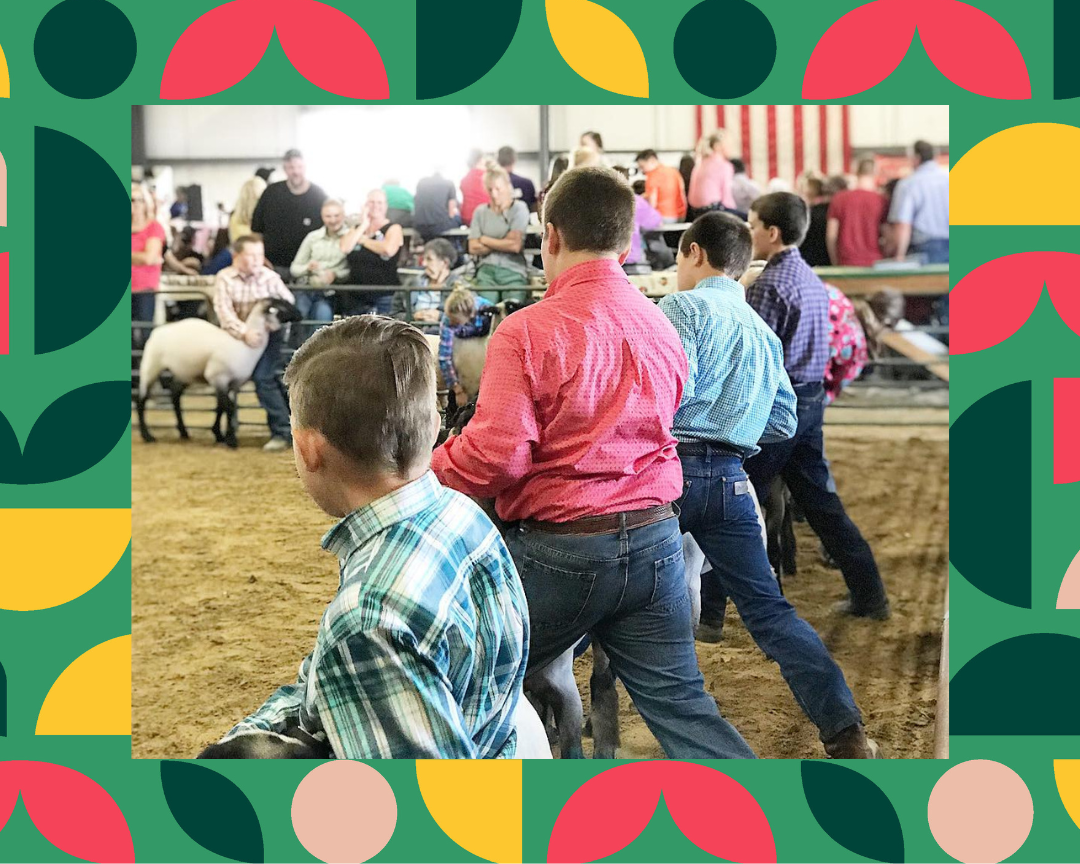
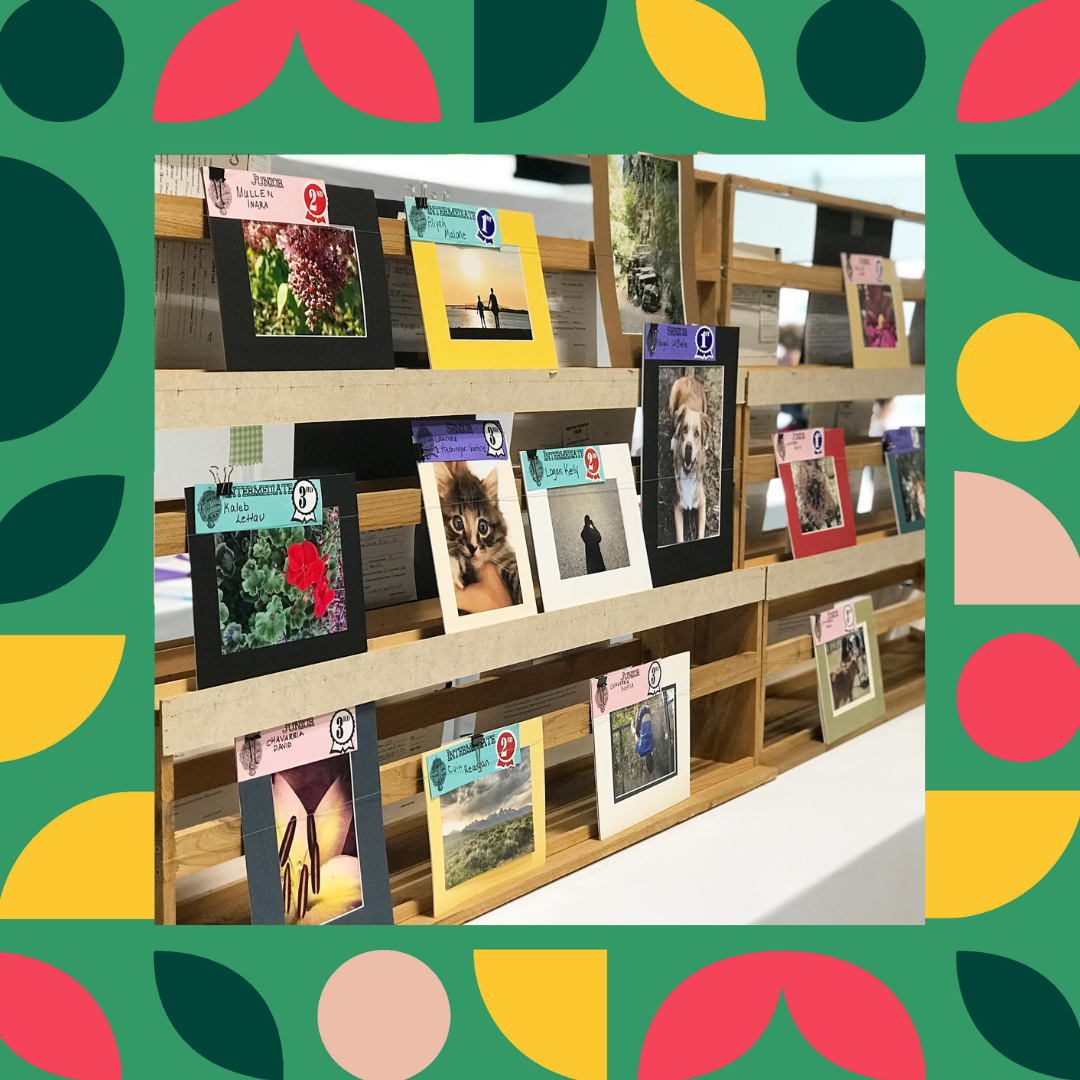
- County Contests and Fairs: 4-H members can choose to take part in judged contests. Through the judging process members learn how to “make the best better,” or in other words, how to improve their projects. Contests and fairs also give members a sense of pride and accomplishment. 4-H’ers receive ribbons and prizes for their efforts. The Benton Franklin Fair and Rodeo is our showcase event of the year.
4-H Camp and Conferences: Many 4-H members choose to attend 4-H camps and conferences. A variety of day camps and overnight experiences are available to choose from, for both younger members and teens. Partial scholarships are often available.
- Who helps 4-H members?
4-H members are taught by adult volunteer club leaders. Every club has one or more adult leaders. Leaders teach, organize and oversee the club, help club officers conduct business meetings, and keep parents updated about 4-H activities and deadlines. There are a variety of leadership roles:
- General Leader – club organizer
- Project Leader – works with members on their projects
- Activity Leader – responsible for one or more activities. Examples are: recreation, record keeping, public presentations, and community service.
- How do I become a Volunteer Leader?
Adults interested in becoming volunteer leaders may contact the 4-H office to complete the application and screening process.
- Can I help without volunteering?
Donations keep the 4-H program running at the club, county, state and national levels. Local donations can be made online or you can contact us for more donation options.
- How do I get started with 4-H?
Call or visit our Pasco office. We would be more than happy to get you started!
- Projects and Resources
-
General Materials
Project & Publication Resources
4-H Youth
Enrollment
Record Book
- Benton Franklin Record Book (pdf)
- Large Animal Livestock Record Sheet (Word doc)
- Rabbit and Cavy Record Sheet (Word doc)
- Poultry Record Sheet (Word doc)
- Horse Certificate (pdf)
- Dairy Certificate (pdf)
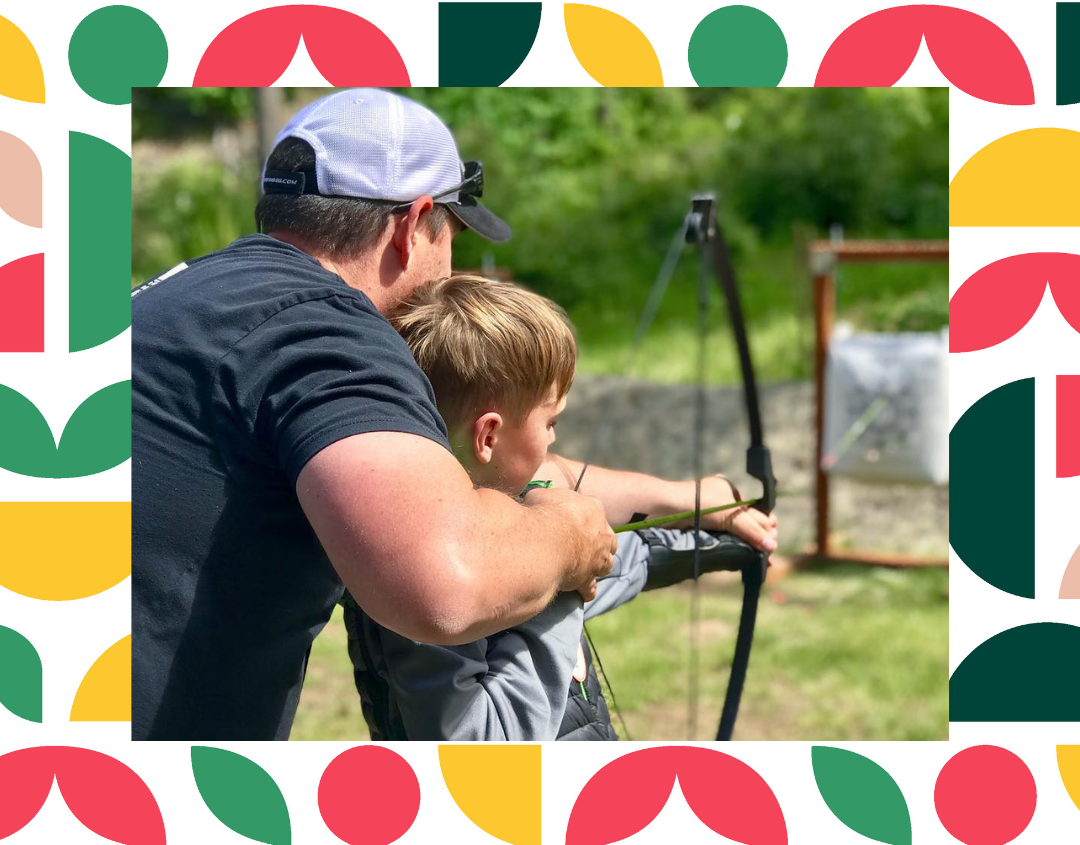
- Archery Add In Sheet (Word doc)
Livestock Health Records
- Market Goat
- Lamb Health Record (pdf)
- Dairy Heifer
- Market Beef Health Record (pdf)
- Market Swine Health Record (pdf)
- Supplemental Animal Affidavit & Health Record
YQCA (Youth for the Quality Care of Animals)

Teen Leadership Opportunities

Volunteer Leaders
Local Resources
- Volunteer Application (pdf)
- Put The Child First Training
- 4-H Online
- 4-H Club-Name and Emblem Form
- 4-H Annual Financial Report
- Benton-Franklin 4-H Council – BY-LAWS (pdf)
State Resources
- WA State 4-H Policy and Procedure Handbook (pdf)
- Washington 4-H Project List
- WA State 4-H Volunteer Leaders
Have you been reporting your Volunteer hours?
All WSU Extension Volunteers must report hours they worked for any WSU Extension program. Reporting of Volunteer’s hours documents coverage for injuries they might sustain and it is also documentation for the liability coverage WSU provides to its volunteers. Additionally, volunteer hours are a powerful reporting tool for WSU Extension to demonstrate the broad-based support for our programming by citizens across Washington State. If you do not yet have a volunteer hour log in, email franklinco@wsu.edu to request one.