Backyard Composting 101
Composting is Valuable
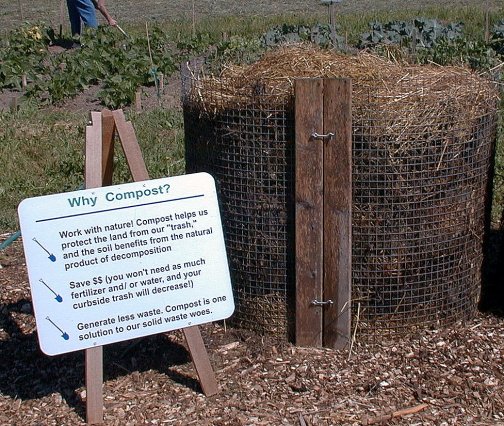
Composting is an easy and rewarding way to turn organic waste into rich, fertile soil for your garden. Fertilizer feeds the plant directly, which can lead to dependence and a limited range of nutrients. Compost, on the other hand, feeds the soil by supporting the microbial community, which helps extract nutrients from minerals already present in the soil as well as from decaying organic matter.
Another important benefit of compost is its role in improving soil structure. Through the activity of microbes and other soil food web organisms, a substance called glomalin acts like a natural “glue,” binding soil particles together. This creates a stable, porous underground structure that allows for airflow (oxygen) and improves the soil’s ability to absorb and hold water—much like a sponge.
Composting may start as an endeavor for recycling organic material and maybe generating “black gold” for the garden, then you learn that the process is alive, and the ground under your feet turns into an ecosystem. The process of decay is inevitable: to compost is to simply assist the process.
Considerations:
Before you start a pile of compost, you’ll want to think about placement and the materials you’ll be composting. These considerations will help in the long run for better results.
- Easy access matters – Choose a spot you can reach easily, because if it’s inconvenient, you’re less likely to use it consistently. You will also want easy access to water when building your pile and keeping it moist.
- Sun or shade location – A pile in full sun may dry out faster and need watering, while a shaded pile stays moister but may need more material to heat up.
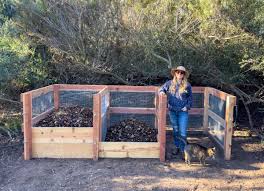
- Available space – Large areas allow for sheet composting or passive heap piles, while smaller yards or patios may call for contained bins, tumblers, or trench methods.
- Type and volume of materials – Consider what you generate most: yard debris, food scraps, paper products, cardboard, or manure.
- Food-scrap-heavy systems – Is your composting going to be heavy with kitchen materials? There are composting methods that are better for food.
- Scale and setting – Rural or farm properties may need systems for manure, bedding, and large yard debris, often with guidance from conservation or farm-planning programs.
- Cost and effort – Options range from no-cost to low-cost DIY piles, to commercial bins or tumblers. Also consider whether you want a hands-off passive system (1–2 years) or an actively managed hot pile (8–12 weeks).
How We Compost
The biggest part of composting that you’ll want to gain an understanding of is how the soil food web is the responsible for the process of decay. By creating the right environment and conditions, we are inviting a natural process to occur for a specific task.
For instance, active (hot) composting is developing organisms that thrive at higher temperatures, which can result in processing pathogens and weed seeds, however it will require consistent oversight and the help of a high nitrogen ratio or “activators”. For specific materials and instruction for hot/active composting, consider Increase Breakdown of Compost With A Special Activator by Home Composting Made Easy and “Why Compost is Turned” by the Oklahoma Extension, describing how turning aids the “hot” composting process.
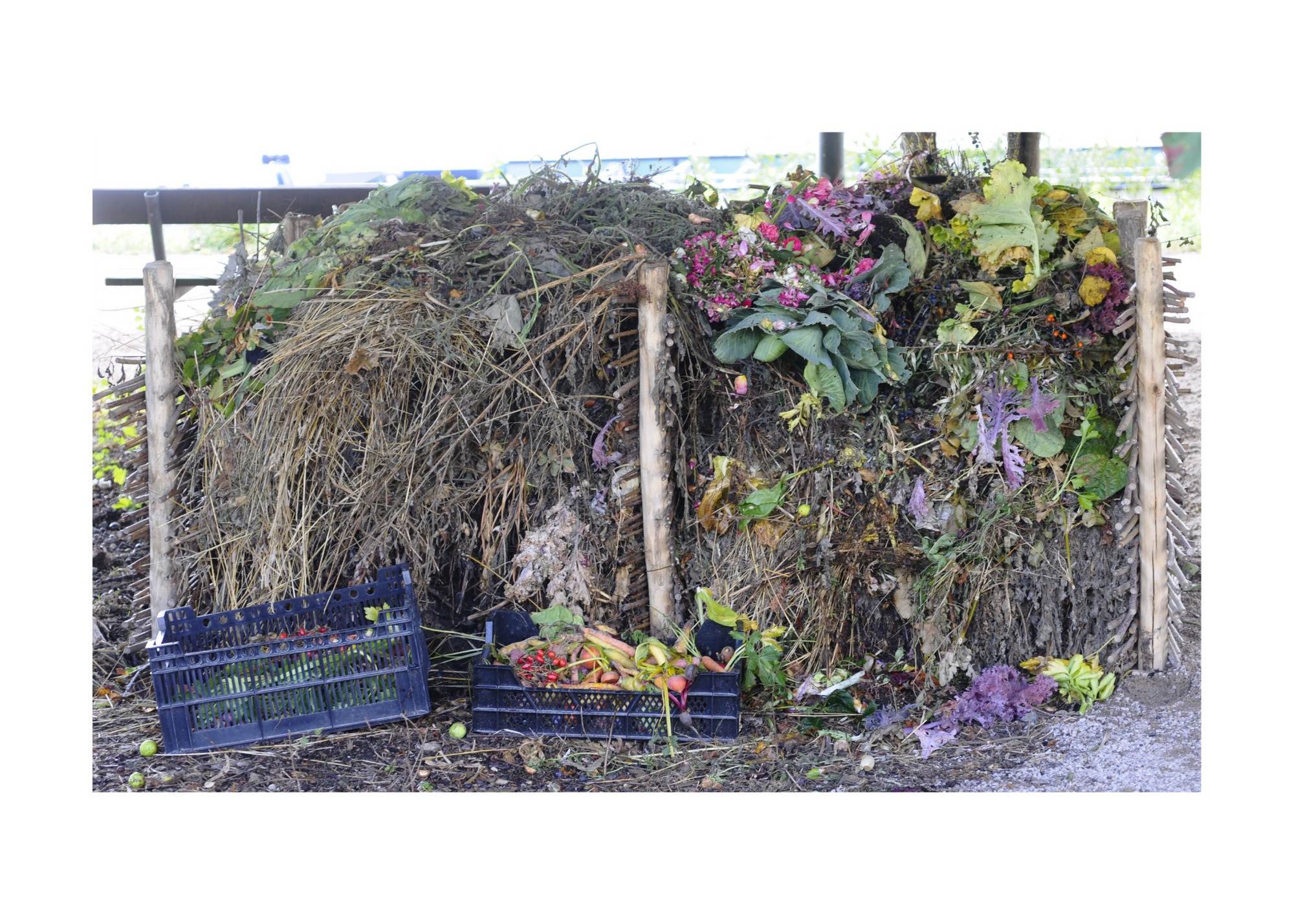
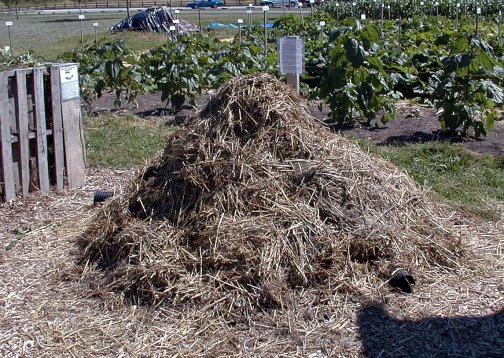
Passive (cold) systems utilize the most basic part of composting, most closely mimicking a “natural” system of decay. Think of a forest floor that has broken branches, fallen leaves, and plants that dieback at the end of the growing season, layering up over years. Or imagine grassland prairie, the buffalo roam through and their hooves carve up the ground as they graze and poo, and through the same natural process of time and growth, the prairie grass dies back and adds a layer to the ground. Composting is simple.
The WSU Backyard Composting webpage offers practical, research-based guidance on composting for home and community settings. It covers the basics of how compost works, common composting methods, and simple tips for managing materials and solving common problems.
In your own home, you will have many materials that are used and disposed, but could they decay? In the kitchen there are food scraps and paper towels. The living room might collect paper ads from the mail, Kleenex, cardboard delivery boxes, and the bathroom has cardboard Q-Tip’s and toilet paper rolls. There are so many opportunities for us to reroute items out of the trash and use it for compost. If you are curious about what can be composted, check out the Apple Cores to Zebra Poo Guide, by Marion Owen, with 267 compostables items separated into three categories: nitrogen, carbon, and either/extra.
While some skills can be learned, much of it is about building intuition: observing how the compost changes with its moisture, smell, and the state of the material as it enters decay. There are many ways to compost, feeding into this living and dynamic process.
Start a Community Compost Program
Community composting plays a vital role in the Food Recovery Hierarchy by keeping food scraps out of landfill and returning nutrients to local soil. It transforms unavoidable food waste into a community resource, strengthening local food systems while reducing environmental impact.
- The Institute for Local Self-Reliance “Hierarchy to Reduce Food Waste & Grow Community
- Institute for Local Self-Reliance Using Bokashi in Community Composting: What, Why, How, Who (Video 1:35.43 hour, min)
- Institute for Local Self-Reliance: Resources & Publications for Community Compost
- Institute for Local Self-Reliance (ISLR) podcast with NYC Compost Project
- School Composting: A Manual for Connecticut Schools
- Kitsap County Solid Waste – a community resource for reducing waste, managing materials responsibly, and helping residents understand recycling, composting, and disposal options.
- Kitsap Conservation District – provides guidance, training, and cost-share programs to support healthy soils, clean water, and sustainable land management practices.
- Kitsap Harvest – a community gleaning organization that reduces food waste by harvesting surplus produce and distributing it to local food banks, meal programs, and neighbors in need.
- WSU Extension Composting series
- Compost Masterclass: The Easy Way to Make Compost by Grow Veg
- Mason County Master Gardener presentation: Hot and Cold Composting
- Thurston County Master Recycler Composter Program YouTube Channel
- Introduction to Home Composting
- How To Build A Compost Pile
- Other video “shorts” on specifics of composting at home such as tools, sifting, what to compost, and much more.
- WSU Dirt Talk: On-Farm Composting
- Rodent Control Regulations from Kitsap Health District
- Assessing Rodent Potential Evaluation Guide: Rodent Reduction Rubric (ILSR and Compost Power)
- Guide: Oh Rats! How to Avoid Rodents at Community Composting Sites
- Making and Using Compost Teas – by Lynne Carpenter-Boggs and Catherine Crosby of Washington State University.
- Herbicide-contaminated Compost and Soil Mix – what you should know and what you can do about it – OSU Publication EM9308
- How to Use Compost in Gardens and Landscapes – OSU Publication EM9308
- A Home Gardeners Guide to Soils and Fertilizers
- Organic Soil Amendments in Yards and Gardens: How Much is Enough?
- Washington Compost Facilities
- Composting in Kitsap – Kitsap County Solid Waste
- Yard Waste Recycling Locations in Kitsap
- The Soil Will Save Us by Kristin Ohlson
- Home Composting Made Easy
- Humanure Handbook
- Home and School Composting Information by US Composting Council
- Oregon State: Why We Don’t Want Compostable Packaging and Serviceware
- WA Ecology: Compostable Products Management in Washington State Report
- “Compostable products are a small portion (0.4% by weight) of what is currently sent to commercial compost facilities in Washington, but the associated contamination disproportionally increases costs of processing materials.”
To learn more about Composting in Kitsap County or joining a Backyard Composting workshop please contact:

Paisley Gallagher (she, her, hers)
345 6th St Suite 550 Bremerton WA 98337
360-228-7302 or paisley.gallagher@wsu.edu
Office hours: Mon -Thur. 6am to 4pm
Offering composting education on specific composting methods, providing expert instruction, resources, and guidance with a hands-on learning experience.
Funding for this education is provided by Kitsap County Public Works, Solid Waste Division.