Welcome to Backyard Composting Education
Washington State University Kitsap Extension, in partnership with Kitsap County Public Works Solid Waste Division, offers this workshop series to expand community access to research-based backyard composting education, so community members of all backgrounds can become informed, active stewards by learning to recycle like nature.
About the Series
Participants explore the longevity of organic waste and best management practices. Each class blends presentation, guided instruction, and hands‑on activities to create a rich, experiential learning environment. Classes are held in person and run approximately 1.5 to 2.5 hours, depending on the topic and participant engagement activities.
Each class offered will cover these topics:
- Organic materials in the waste stream and the impact.
- Learn to spot the organics! And what is considered contamination.
- Soil Science and the Soil Food Web
- Then we get specific, diving into the topic by learning how the process works, how to create it ourselves, and how it’s applied. It’s like DIY with a tune-up, added benefits to lower your cost and make backyard composting the right choice for you.
Participation Expectations:
This workshop series is focused on creating experiential learning through demonstration and hand’s-on activity. Dress for the weather, bring gloves, wear sturdy shoes, snack, water, and a childlike sense of wonder; we are going to get our hands’ dirty.
Prior to class attendance, we recommend viewing these materials for shared context as we discuss composting.
- Soil Solutions to Climate Problems – Narrated by Michael Pollan (Video 4.09 minutes)
- Composting Is One Solution to Climate Change (Video 3.47 minutes)
- Climate Change by Dr. Craig Cogger (Video 7.49 minutes)
- The Soil Story by Kiss The Ground (Video 3.56 minutes)
- Visit the website Kiss the Ground that shares the importance of healthy soil for a healthy planet.
- Bringing Our Soils Back to Life and saving Civilization – (Video 56 min.) Dr. David R. Montgomery’s presentation to the Washington Organic Recycling Council on how we can restore soils around the world.
- Don’t have an hour to watch this? Read Yes Magazine’s How to Turn Dirt Into Soil article instead!
Additional educational materials may be provided during the class sessions to enhance your instruction.
Whether you are just beginning your composting journey or looking to deepen your expertise, we invite you to join us.
Workshop Composting Events:
These workshops are free of charge for Kitsap County residents and will be provided on both weekday and weekend schedules to accommodate access to this training series. Registration is required.
Our Compost Demonstration site (Located at: Blueberry Park, 737 SylvanWay, Bremerton, WA 98310) provided in partnership with WSU Kitsap Master Gardeners and Bremerton City Parks & Recreation.

Enrollment is first‑come, first‑served and limited to 25 participants per series to ensure a high‑quality, interactive learning experience.
- Thursday, October 1st 10am-1:00pm Backyard Composting Class
- Saturday, October 3rd 10am-1:00pm Backyard Composting Class
- Saturday, October 10th 10am-12:00pm Backyard Composting with Vermiculture
- Saturday, October 10th 1:00pm-3:00pm Backyard Composting with Bokashi
Stay connected!
- The monthly WSU Extension newsletter brings you local content about events, trainings, and program updates from partner organizations. Sign up for the WSU Kitsap Extension Newsletter.
Workshop Offerings
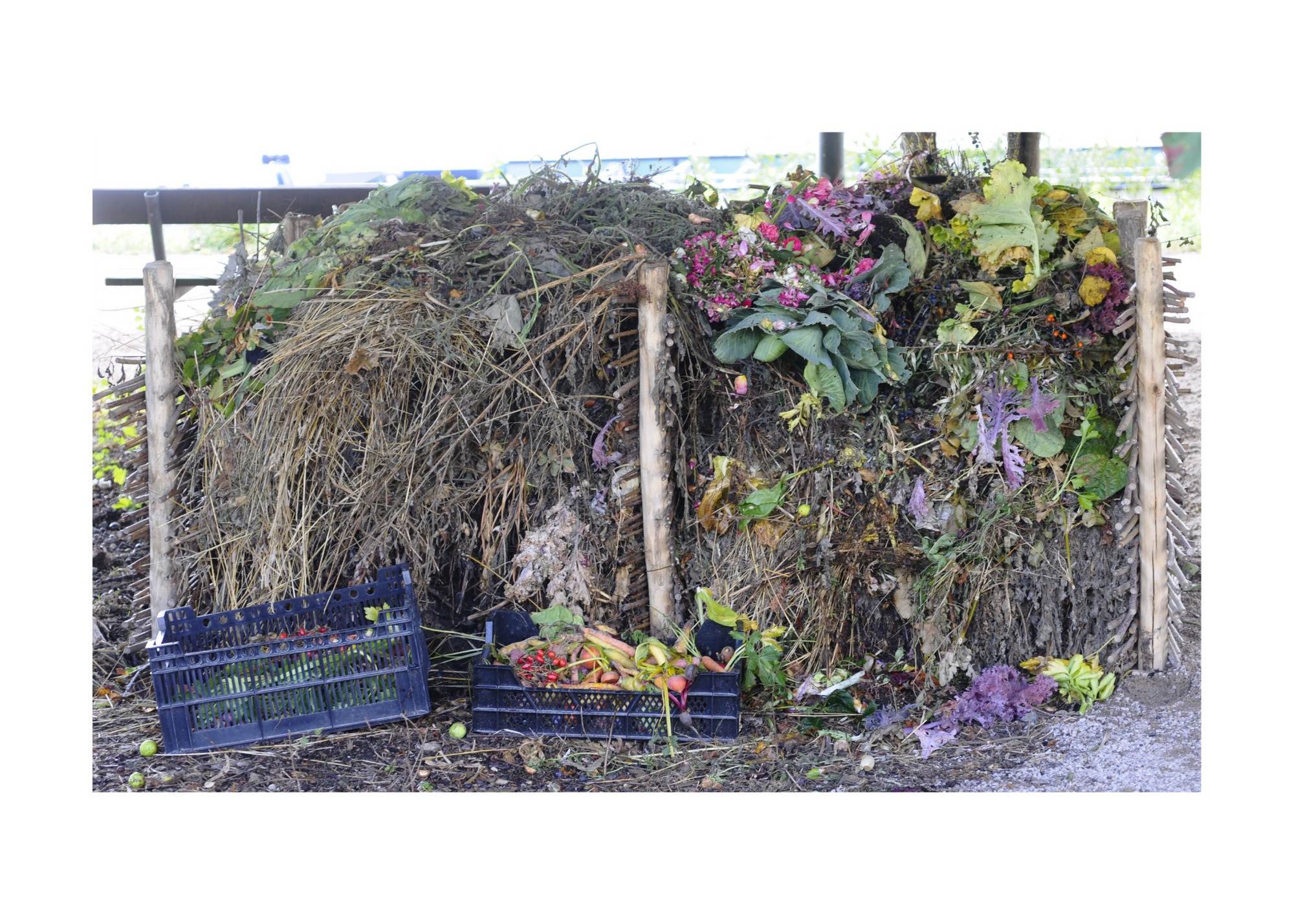
Backyard Composting
– What are you composting?
– Prepare materials and avoid contamination, odors, and pests.
– Soil Science, the foundation we replicate.
– The key elements of composting.
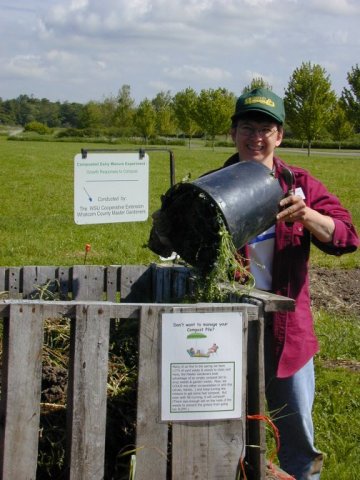
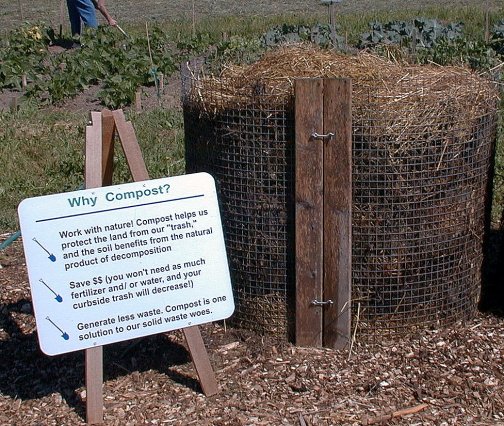
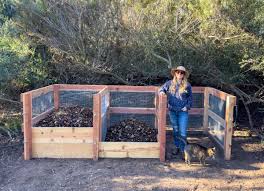
– Build and manage a compost system.
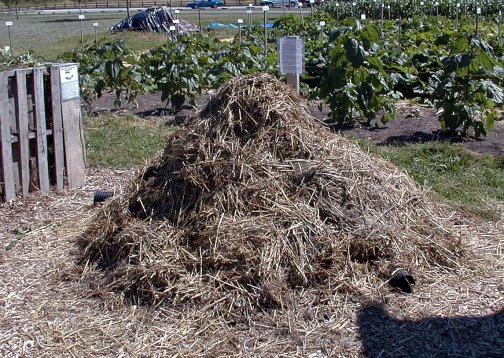
– Stages of decomposition.
– How to finish, sift, and apply compost in gardens, landscapes, and soil.
-Troubleshooting tips to avoid common mistakes.
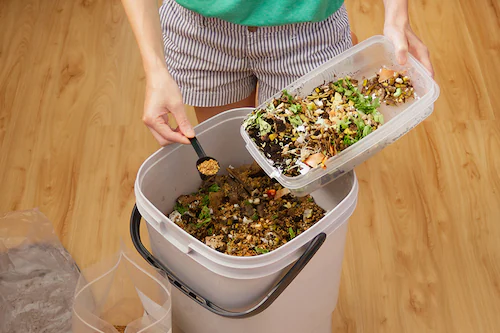
Bokashi
-What Bokashi composting is and how the fermentation process works
-How to set up a Bokashi system, including DIY options
-Step-by-step guidance on managing the process
-Common troubleshooting tips and how to avoid common mistakes
-How to Use Bokashi Tea
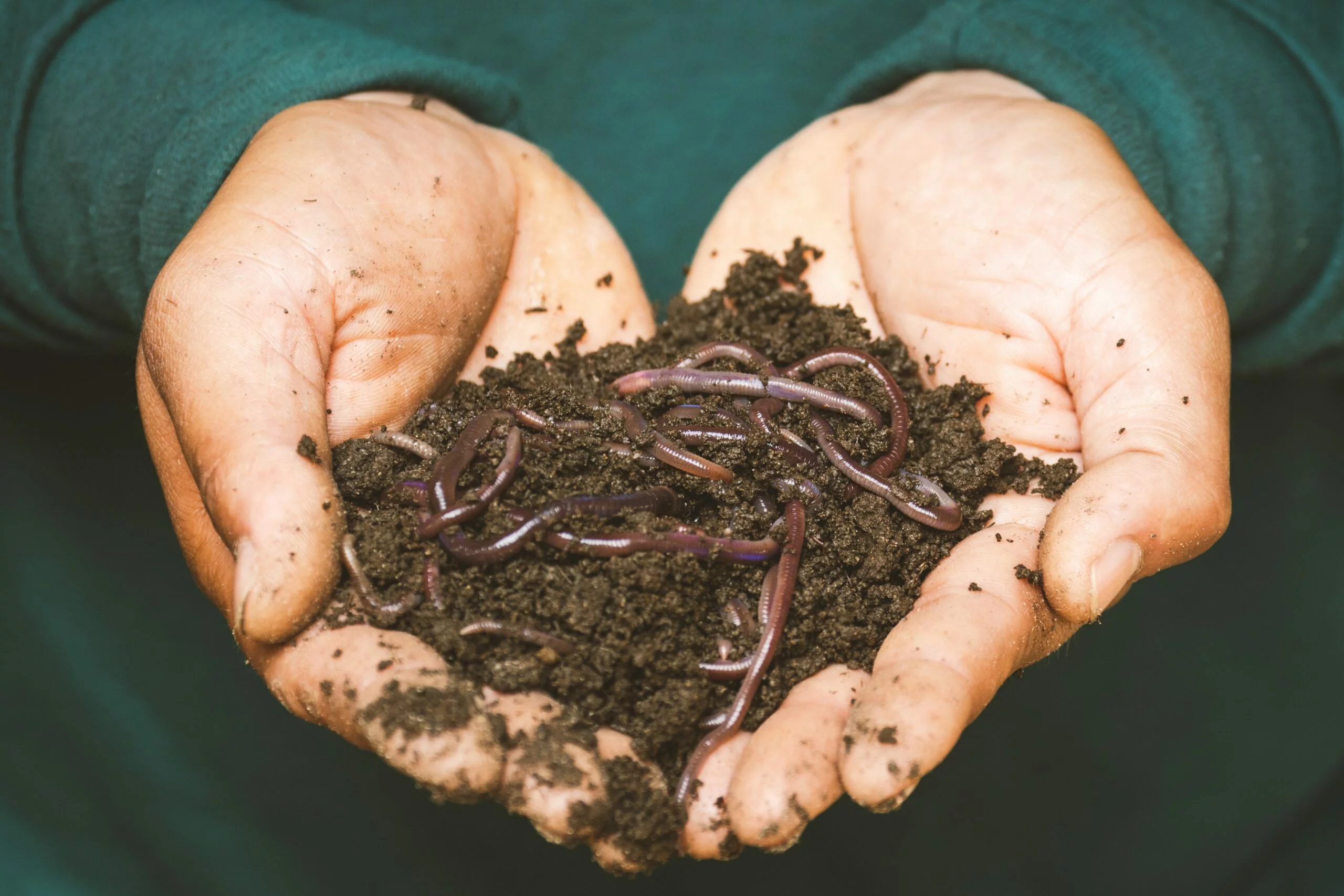
Vermiculture
-Benefits of worm bin composting and how it differs from traditional composting.
-Worm biology/behavior: Ideal living conditions for worms
-How to set up a worm bin for backyard scale composting
-Harvesting and using worm bin castings
-Troubleshooting common issues
Funding for this education is provided by Kitsap County Public Works, Solid Waste Division.