Eight free workshops, hands-on learning, and many ways to turn organic materials into a resource for healthier soil.
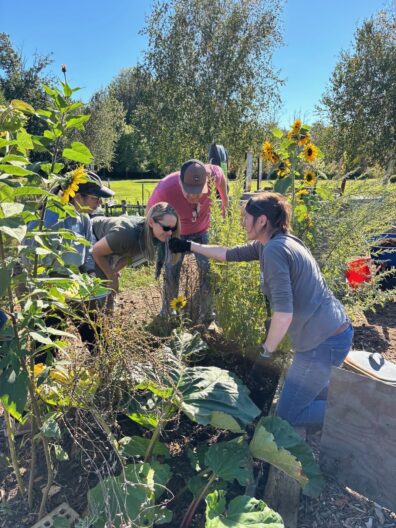
In 2026, WSU Kitsap Extension, with funding from Kitsap County Public Works Solid Waste Division, offered eight free composting workshops to help Kitsap residents explore practical ways to manage food scraps and yard waste. We covered backyard composting, vermiculture (worm composting), and Bokashi fermentation, with each workshop combining a presentation, demonstrations, and hands-on instruction.
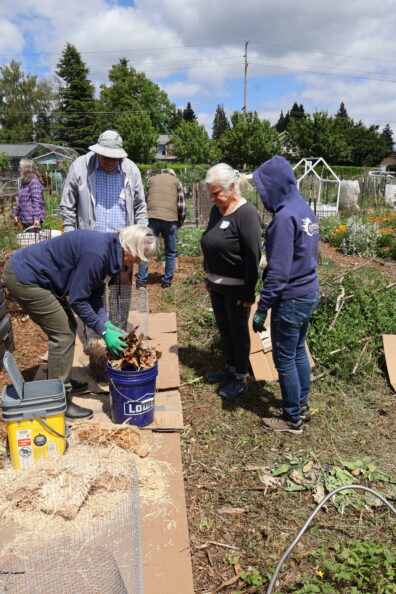
There’s more than one way to compost, and finding the right fit makes all the difference. Some households have room for a compost pile or tumbler, while others need a smaller system or a way to manage kitchen scraps that don’t fit easily into a traditional compost pile. Our workshops explored these different approaches and helped participants understand how each works, what materials they can handle, and how to get started.
Backyard composting offers a practical way to work with yard trimmings and food scraps, while learning the basics of balancing greens and browns, managing moisture, and troubleshooting common problems. Vermiculture uses worms to break down suitable organic materials, producing nutrient-rich castings that can support soil health. Bokashi uses beneficial microorganisms to ferment food scraps, including many cooked foods that aren’t usually recommended for a conventional backyard compost pile. The fermented material then needs a second stage of decomposition, making Bokashi a useful option for households looking for another way to manage their kitchen scraps.
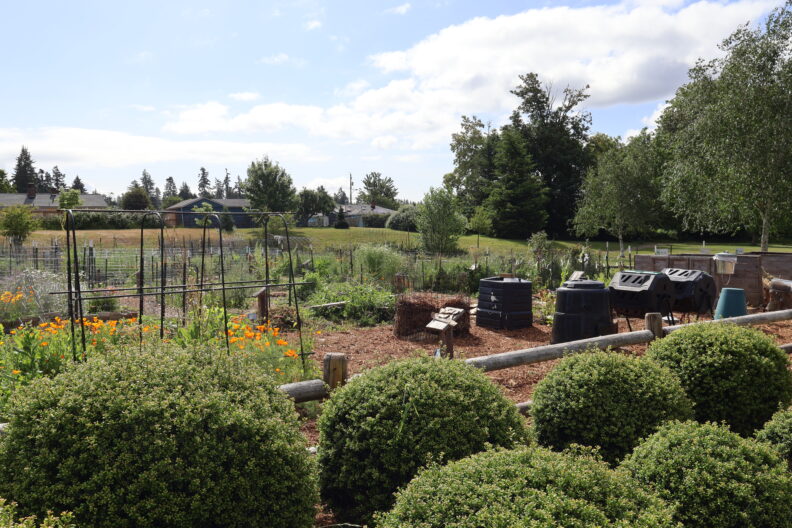
At our compost demonstration site at Blueberry Park in Bremerton, participants could explore different systems, including compost bins and piles, tumblers, in-ground digesters, and worm composting setups. Seeing the options in person helps make composting less mysterious and gives people a chance to consider what might work in their own homes and gardens.
We were fortunate to partner with WSU Master Gardeners, bringing together composting instruction and practical gardening knowledge. Together, we explored the science behind decomposition, the importance of healthy soil, and ways to return organic materials to the landscape rather than sending them to the landfill.
One participant captured the spirit of these workshops particularly well, appreciating how the instruction combined personal experience and experimentation with options ranging from simple, low-cost do-it-yourself approaches to ready-made systems. That flexibility matters. Composting doesn’t have to be expensive, and you don’t have to get everything perfect on the first try. Learning what works, making adjustments, and trying again are all part of the process.
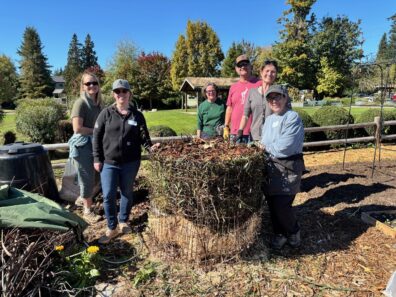
Another participant shared, “Thank you for offering this free class to help dispel the mysticism of composting. I really appreciate the demo.” That is exactly what hands-on education can do: make something that might feel complicated more understandable and achievable.
Making these classes free helps reduce barriers to learning and gives more people the opportunity to explore ways to reduce waste, recycle nutrients, and build healthier soil.
Want to learn with us? Keep an eye out for composting workshops coming in 2027. Whether you’re new to composting or looking to try a different method, we hope you’ll join us in finding practical ways to put organic materials to work.
Waste Less. Compost the Rest.