We have discussed the concept of building heterogeneity on the landscape and explored how individual plants and plant communities can respond to grazing. Now we address the recognition that grasslands are critical habitat and grazing is a natural, ecological process necessary to maintain that habitat. Moreover, grazing of grasslands historically occurred patchily and opportunistically following fire.
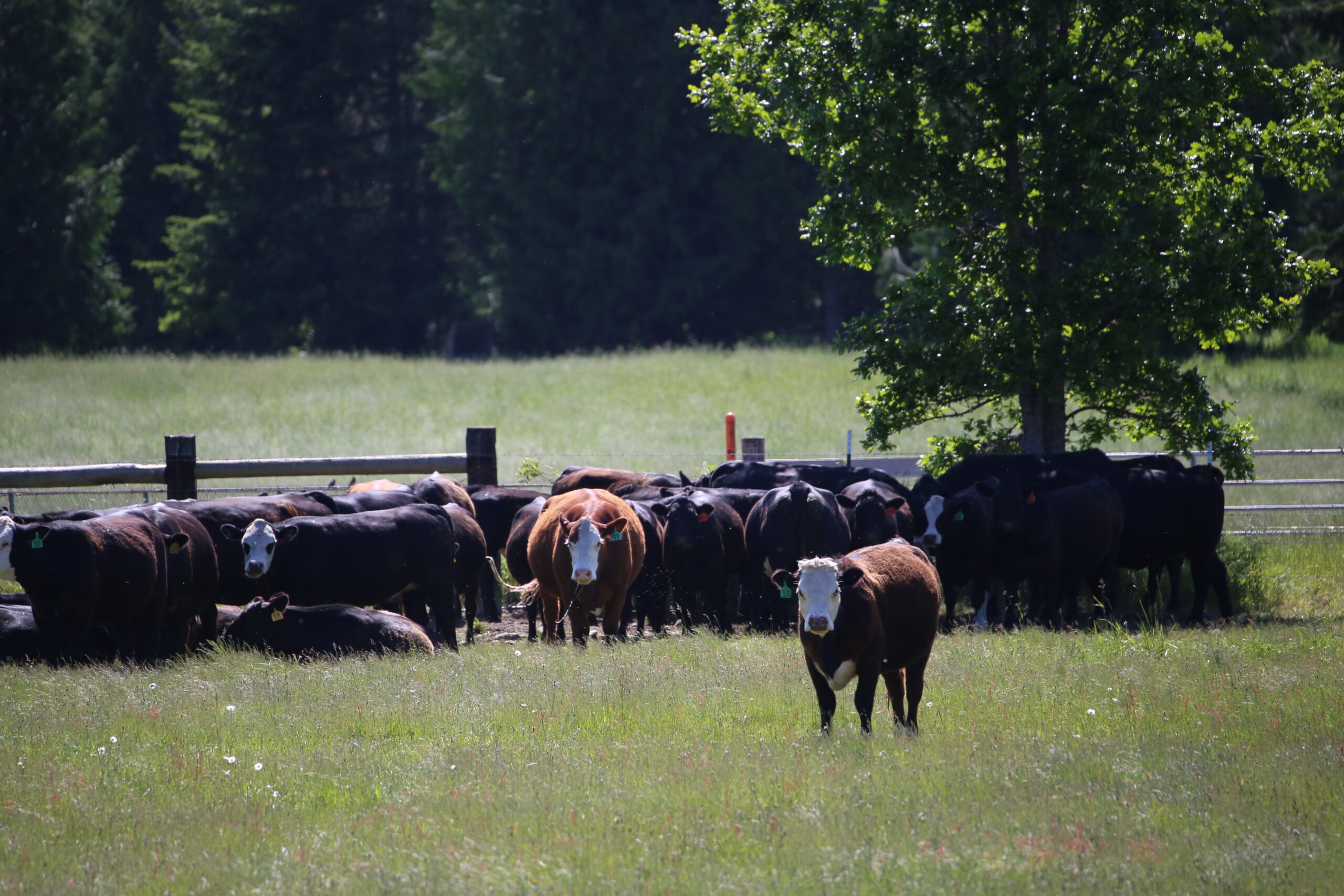
Grasslands worldwide occur where the succession from grassland to forest is arrested by some means. This can be lack of water as in the savannas of Africa or harsh weather in alpine meadows. In moist environments at lower elevations, grasslands would convert to forest habitats without regular disturbance to keep afforestation in check.
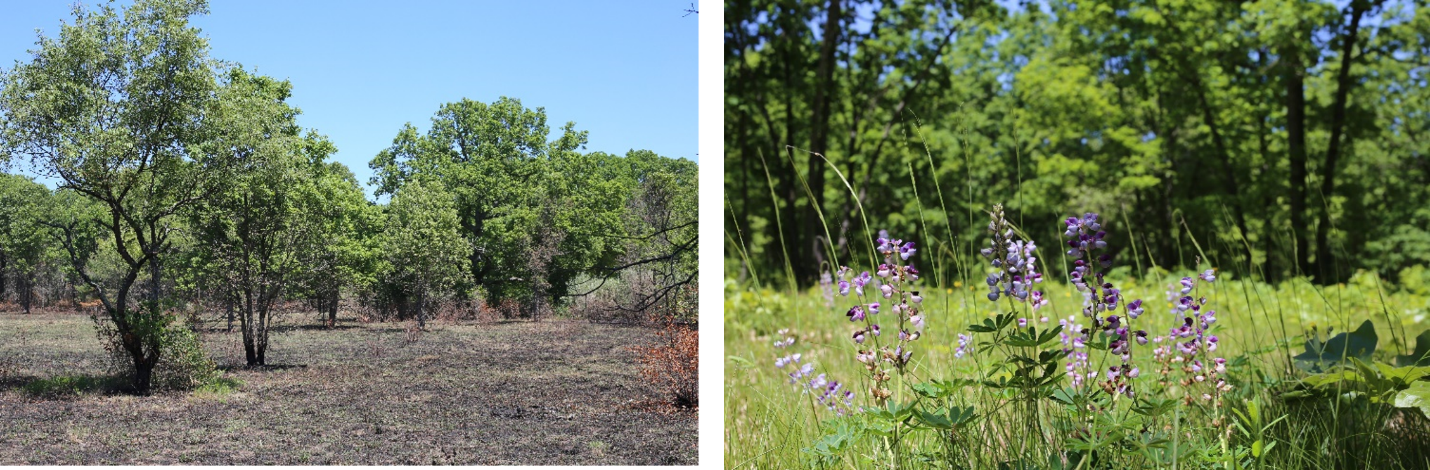
In many of these lowland, moist, grassland landscapes, including Western Washington grasslands, fire was set intentionally and frequently by pre-colonial peoples to maintain grassland habitats. Fresh spring grass following fall burns is lush as a result of nutrients released in burning, the removal of thatch build-up, and the priming of dormant seeds for germination by fire-released compounds. Subsequent grazing by wild ungulates focuses on these lush “grazing lawns” (Singh 2024), keeping grass regenerating frequently, removing seedling trees and shrubs, and concentrating nutrient additions (manure). Historically, people also ate abundantly from these grasslands, digging roots and tubers, removing unwanted plants and replanting desirable ones in the process. This extensive harvesting and tending of prairie plants likely had significant impact on soil and plant communities (Dunwiddie 2011). We see that the combination of humans, fire, grazing animals and prairie grasses and forbs was needed to establish and maintained the rich and diverse natural grasslands of Western Washington.
Today we recognize that livestock grazing impacts plant communities and we are recognizing fire as important tool in prairie restoration (Hamman 2011), however we rarely acknowledge the historical linkage between these two processes and don’t implement these tools in concert. As a result, prescribed fire programs need to manage lush regrowth of vegetation, often using herbicides; and grazing operations need to use lime and fertilizers to keep soils supporting the lush growth required for healthy grazers.
Placing our livestock operations or prairie restoration projects within the ecological context of the regional grasslands allows us to see grazing and prescribed fire as more than agricultural production or vegetation management, but instead as essential and linked ecological processes that have maintained a rich community of plants and herbivores for thousands of years. This perspective suggests new approaches to integrating conservation and ranching and leads to the exploration of the many tools proposed in part 3 of the publication series.