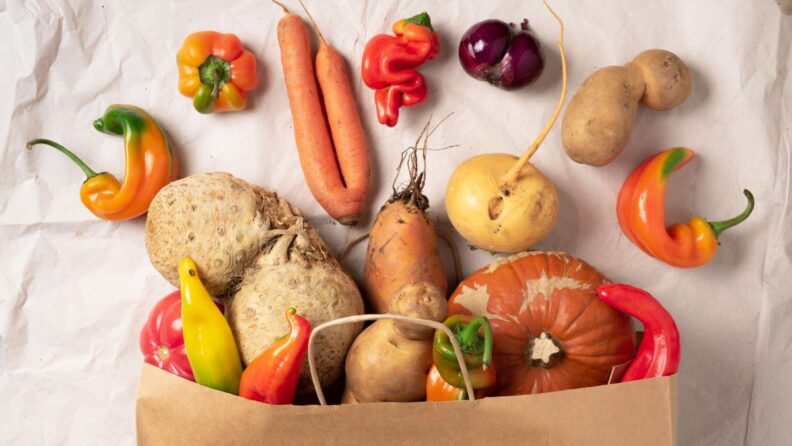
Did you know that one of the best places to prevent food waste is right in your own kitchen?
Food Waste Prevention Week is September 28 through October 4, 2026—a good time to take a fresh look at the food we already have and the little things that can help us waste less.
Maybe it’s the strawberries that didn’t get eaten quite fast enough, leftovers that got pushed to the back of the refrigerator, or a pantry shelf where the older cans and boxes seem to disappear behind the newer ones. These things happen. Food waste isn’t about having a perfectly organized kitchen or never forgetting about a leftover. It’s about finding simple ways to make the food we buy easier to see, use, and enjoy.
A few things you might not have thought about
Did you know that where and how you store food can help it last longer?
A little refrigerator and pantry organization can make it easier to see what you have and use food while it’s still at its best. Sometimes the solution isn’t buying less—it’s making sure the food you already bought doesn’t get forgotten.
Did you know that a date on a package doesn’t necessarily mean the food needs to go in the garbage?
Date labels can be confusing, and many are about quality rather than safety. Understanding what those dates actually mean can help you feel more comfortable deciding when food is still worth keeping.
Did you know that leftovers can be the beginning of another meal?
Planning for leftovers can make cooking easier, too. Last night’s chicken might become tacos tonight, or a few odds and ends from the refrigerator might come together in a casserole, stir-fry, quiche, or soup. Sometimes the easiest meal is the one you already have most of the ingredients for.
Have you ever gone shopping and then discovered you already had three of something in the pantry?
Shopping from your pantry and refrigerator first can help keep food moving through your kitchen. Use what you have, then replenish what you’ve used with fresher food. It’s a simple way to keep older food from getting overlooked while still keeping your kitchen stocked.
And before any of that happens, food waste prevention starts with a clean kitchen. Clean hands, countertops, cutting boards, utensils, and other food-contact surfaces are part of keeping food safe while you’re preparing, storing, and enjoying it. A clean, comfortable kitchen makes it easier to cook, put food away, and keep track of what you have.
Want to learn more?
This November, WSU Kitsap Extension is offering classes focused on some of these everyday food skills.
Food for Thought: Make Your Food Last Longer explores practical food storage, refrigerator and pantry organization, and the often-confusing world of date labels.
Plan Less. Eat Better. Waste Less. looks at ways to make meal planning a little easier by starting with what you already have and finding ways to use whole ingredients and leftovers.
Food Safety: From Store to Table looks at practical food-safety habits covering from the time you buy it, as you store it, to the process of preparing, cooking, and handling the leftovers safely.
Attend a class or three, and you can always visit the Use Food Well webpage for more tips to make the most of your food and your money. Head into Thanksgiving feeling more prepared to save food, save money, and serve it safely.
And when food really has reached the end of its useful life, our composting classes can help you turn those scraps into something useful for your soil.
Food waste prevention doesn’t have to mean doing everything differently. Sometimes it’s simply noticing what you already have, storing it a little differently, or looking at yesterday’s leftovers with a fresh idea.
A little attention can help good food go a lot further.