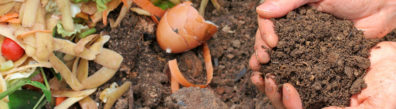
Composting is a natural process in which organic materials decompose to recycle various organic minerals that would have otherwise gone to waste. By balancing carbon-rich browns with nitrogen-rich greens, you can turn your yard and kitchen waste into a rich soil amendment. Not only is it beneficial to your soil, but composting is the single best thing you can do to reduce the impact of the organic waste you produce.
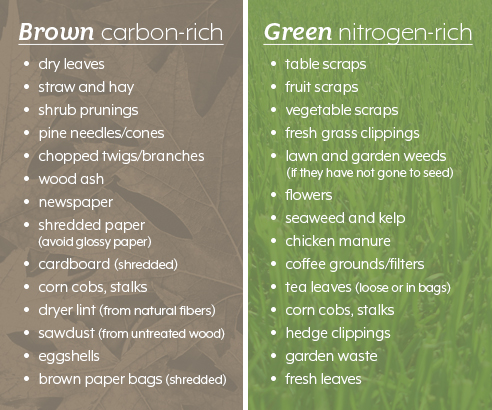
What are the Browns and Greens?
Brown carbon-rich
- dry leaves
- straw and hay
- shrub prunings
- pine needles/cones
- chopped twigs/branches
- wood ash
- newspaper
- shredded paper (avoid glossy paper)
- cardboard (shredded)
- corn cobs, stalks
- dryer lint (from natural fibers)
- sawdust (from untreated wood)
- eggshells
- brown paper bags
Green nitrogen-rich
- table
- fruit scraps
- vegetable scraps
- fresh grass clippings
- lawn and garden weeds (if they have not gone to seed)
- flowers
- seaweed and kelp
- chicken manure
- coffee grounds/filters
- tea leaves (loose or in bags)
- corn cobs, stalks
- hedge clippings
- garden waste
- fresh leaves
Why Compost?
The byproduct of food composting not only produces nutrients that enrich the soil, but it also reduces the amount of the greenhouse gasses methane and carbon dioxide that are produced from rotting food in a covered landfill absent of oxygen. It is also one way that you can reduce your carbon footprint. When organic matter decays in an oxygen-rich environment it pulls carbon from the atmosphere into the soil. Adding carbon is good for the soil as it allows plants to access more of the water within it and thereby reducing the amount of watering needed (due to soils with higher organic materials having a higher water retention capacity).
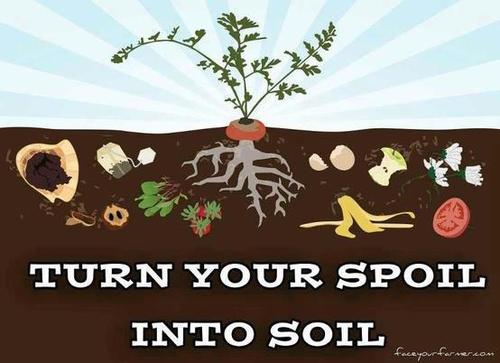
Composting helps mitigate the impacts of household and yard waste, and it results in what is often referred to as ‘black gold’. Adding compost to soils has many benefits, including improved soil tilth (prepared soil surface), water filtration and resistance to disease. It is a key part of nurturing the soil food web for productive and healthy soils.
Many residents, schools and organizations in Clallam County are reducing the amount of food waste they dispose of by choosing to compost on site. It can be a fun, educational and impactful action for families, students and employees.
Learn more about composting in your backyard with this great resource from the Institute for Local Self-Reliance.
Washington State University is one of the premier resources on soils, compost and mulch. Learn more by consulting WSU publications.
Are you ready to get started?
1. Choose your bin or method
Something basic like a wire enclosure or a simple trench?
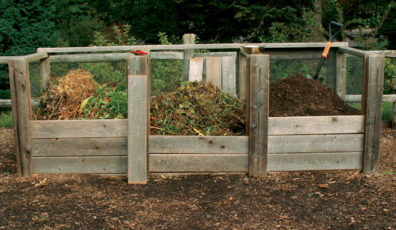
Or something some sophisticated like a three bin system or tumbler?
Something more passive like a pile?
Or more active like using worms to process waste?
2. Choose your location
Close to the kitchen or close to the garden?
Is water easily accessible near by?
Is there a spot that can be easily accessed year round?