Spotted Wing Drosophila (SWD) is an invasive fruit fly that targets ripening berries and cherries, causing major crop losses. Learn how to detect, monitor, and manage this serious pest using science-backed tools and strategies to protect your harvest.
The spotted wing drosophila (Drosophila suzukii) is an invasive fruit fly from Asia, first detected in Hawaii in the 1980s and later in California in 2008. By 2010, it had spread throughout the Pacific Northwest, including eastern Washington, and is now found across much of the U.S., Europe, and South America.
Unlike the common fruit fly (D. melanogaster), SWD targets healthy, ripening fruit still on the plant, making it a major threat to commercial fruit production. Its preferred hosts in eastern Washington include sweet cherries and a wide range of berries—blueberries, raspberries, strawberries, and blackberries. Grapes, pome fruits, and non-cherry stone fruits are generally at low risk.
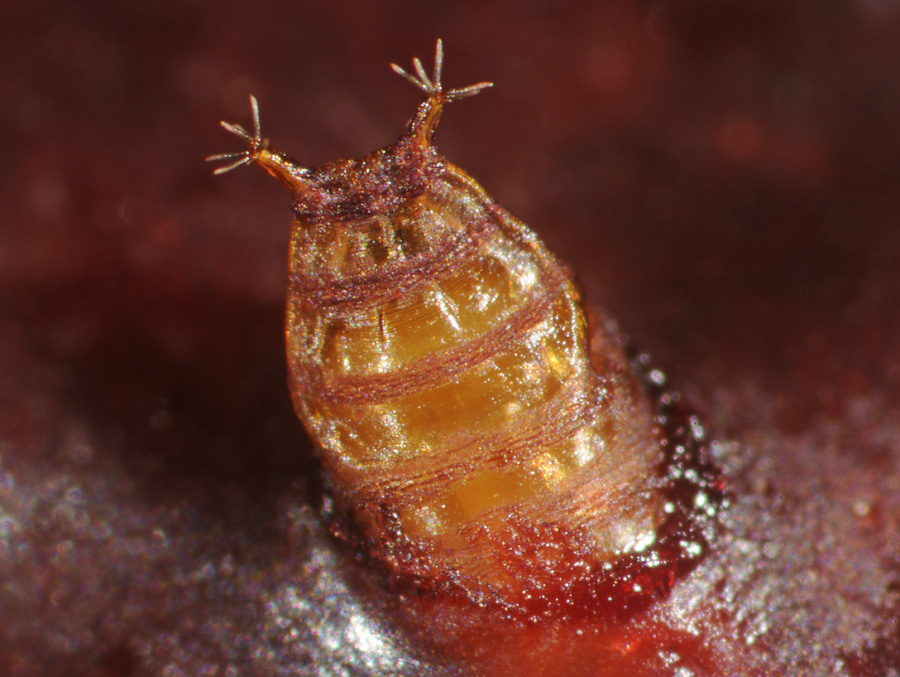
Because SWD is a relatively recent invader, researchers are still studying its biology and control. Understanding its life cycle—egg, larva, pupa, and adult—is key to effective monitoring and management.
Current Priority Pests:
Other serious pests in Skagit County include:
- Western Cherry Fruit Fly
- Codling Moth (apples)
- Walnut Husk Fly
Why It Matters
Crop Damage:
SWD can cause up to 80% crop loss if unmanaged.
Economic Impact:
Millions lost in revenue annually for berry and cherry growers.
Rapid Spread:
One of the most aggressive invasive pests in North America and Europe.
Monitoring & Detection
Use traps, lures, and timely scouting to stay ahead of infestations.
Recommended Traps: Yeast-baited or commercial lures
Best Time to Monitor: Spring through fall
Monitoring Maps: View regional SWD pressure data
Management Strategies
Integrated Pest Management (IPM) is key.
- Chemical Control: Targeted insecticides timed with fly activity
- Cultural Practices: Timely harvest, fruit sanitation, canopy management
- Biological Control: Natural enemies, parasitic wasps (under research)
Resources for Growers
- Monitoring, Identifying, and Fruit Sampling
- Report a sighting
Life Stages:
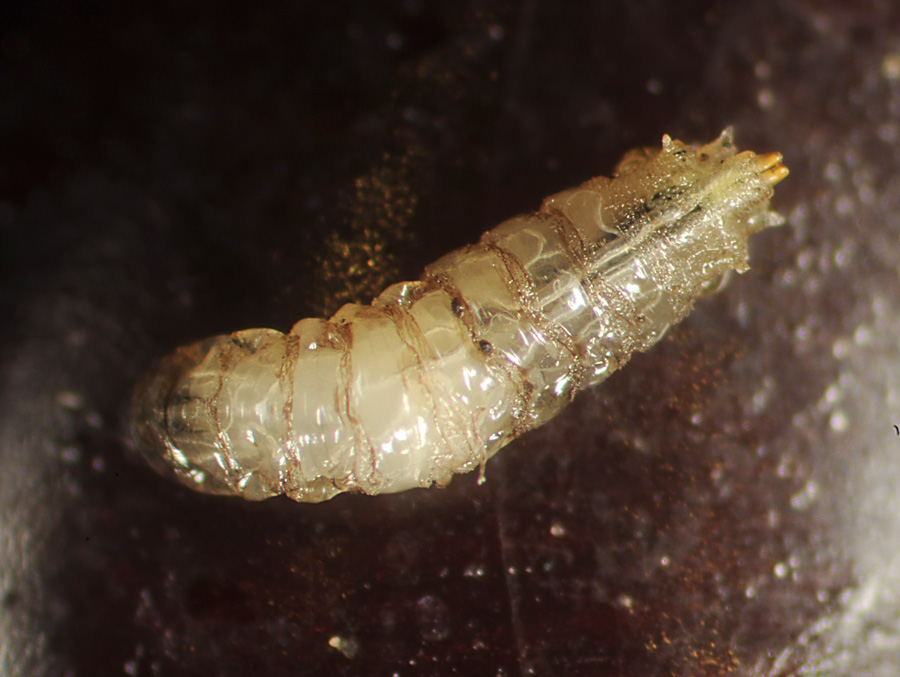
Larvae
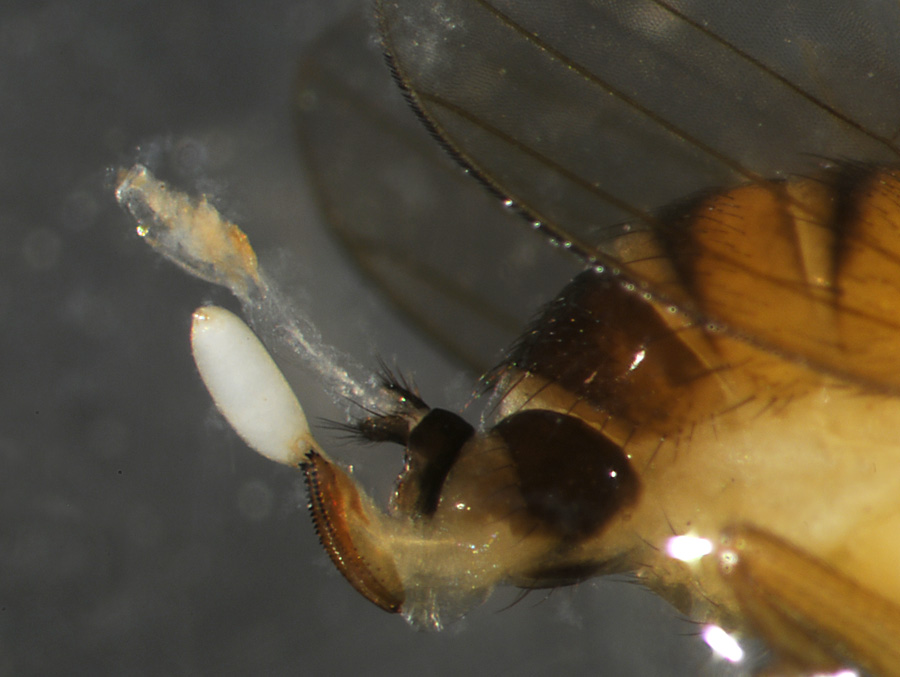
Egg