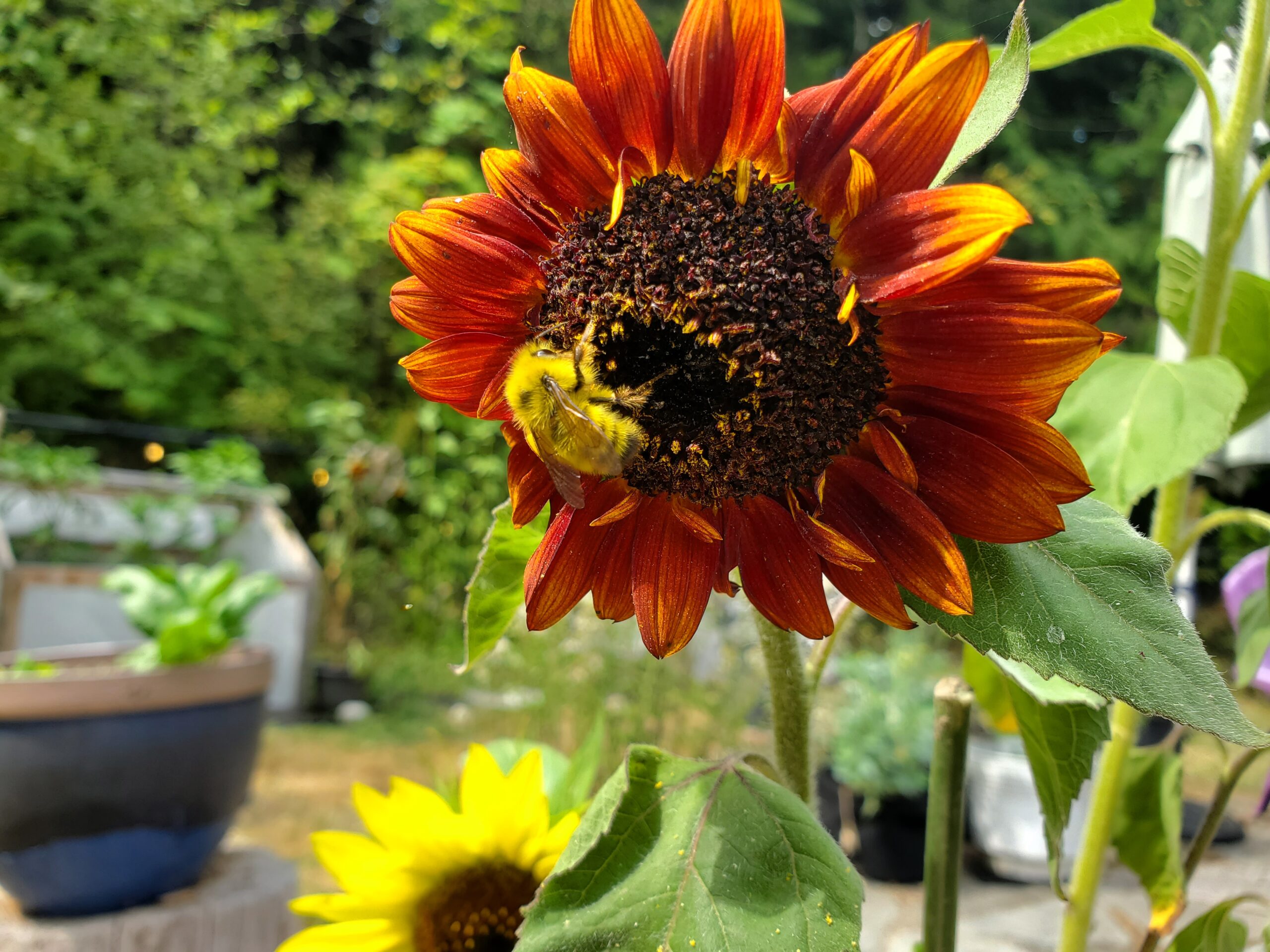


A fuzzy yellow bee drinks nectar from a sunflower.
WSU Extension

Clallam County

Connecting People, Resources and Science

WSU Clallam County Extension programs connect the people and communities of Clallam County with the knowledge base of Washington State University to promote quality of life and advance economic well-being through fostering inquiry, learning, and the application of research.

Contact Us

1914 West 18th Street
Port Angeles, WA 98363
360-417-2279

Monday to Thursday
9:30 am to 3:30 pm

Upcoming Events

Acknowledgement of Tribal Territories

Washington State University Clallam County Extension acknowledges that the communities we work in are the homelands and territories of the chalá·at (Hoh), kʷoʔlí·yot’ (Quileute), qʷidiččaʔa·tx̌ (Makah), nəxʷsƛ̕áy̕əm̕  (Klallam), & t͡ʃə́mqəm (Chimacum) peoples. We acknowledge our responsibility to establish and maintain relationships with the tribes and Native peoples of this region, in support of tribal sovereignty and the inclusion of tribal voices in the programming activities of our Extension office.

Washington State University (WSU) is an equal opportunity employer committed to providing equal opportunity in education, employment, membership and contracts without regard to race, ethnicity, color, creed, religion, national origin, gender, sexual orientation, gender identity/expression, age, marital status, the presence of any sensory, mental or physical disability, use of a trained guide dog or service animal by a person with a disability, and/or status as a veteran. WSU is committed to creating and maintaining environments in which students, faculty, staff and visitors can work, study and recreate free from all forms of prohibited discrimination and discriminatory harassment.

WSU Extension is committed to making sure that our programs are available to everyone.
Featured Content

Requiem for the Packaging King

It can hold the most delicate objects AND be detrimental to our environment. The Packaging King — expanded polystyrene foam or EPS — pollutes our water and takes hundreds of years to breakdown in landfills. Once broken apart, the polystyrene components crumble into small bits that contaminate our environment even further. Discover ways to reuse EPS and learn how it can be reprocessed into products with a longer lifespan. Future solutions include using textile waste and biomaterials as sustainable packaging filler.

Preserving the Salish Sea

Discover simple ways to help keep the Salish Sea beautiful and reduce plastic pollution.  National Microplastics expert and WSU grad Julie Masura shares tips to help maintain this biologically diverse inland marine ecosystem.  Together, we can make a difference in the health of wildlife, salmon, orcas, and other marine species.