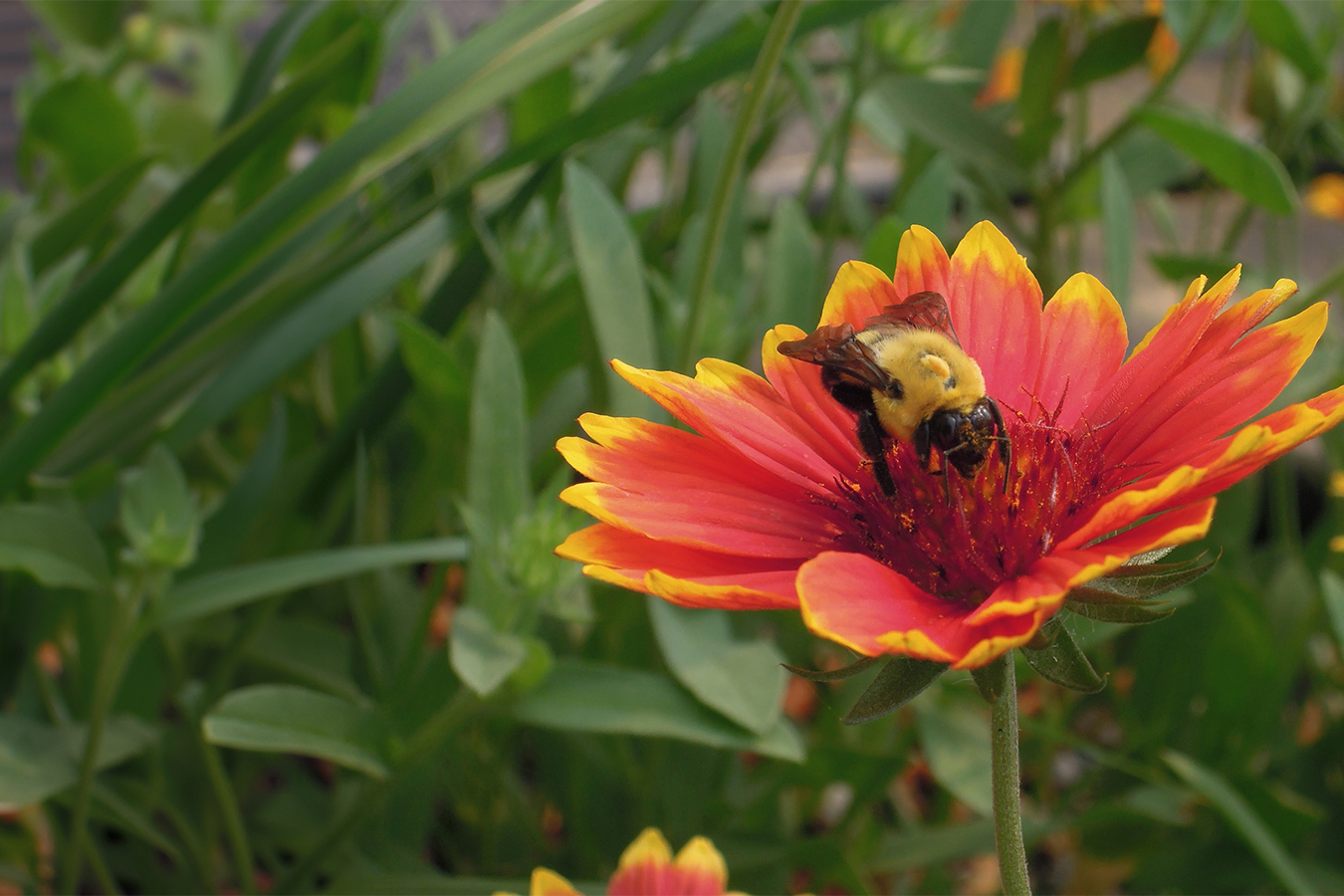
Pollinators
Timothy (Tim) Lawrence, Associate Professor and Extension Director, Washington State University Extension Island County
Introduction
Pollination is critical because most plants need to set seeds and produce fruit. The following information will help you to optimize conditions to ensure adequate pollination and maximize seed and fruit quantity and quality. Conditions conducive to pollinators will also increase the biodiversity of flora and fauna in local ecosystems. Pollinators disperse pollen and spread genetic information, and many animals rely on them as a food source. Pollinators are a crucial component of any functioning ecosystem, so it is in our best interest to ensure pollinators have sufficient habitat to survive and thrive. This chapter is a brief overview of pollination and pollinators. You are encouraged to see the Further Reading section at the end of the publication for more detailed information on pollination, pollination ecology, and protecting pollinators.
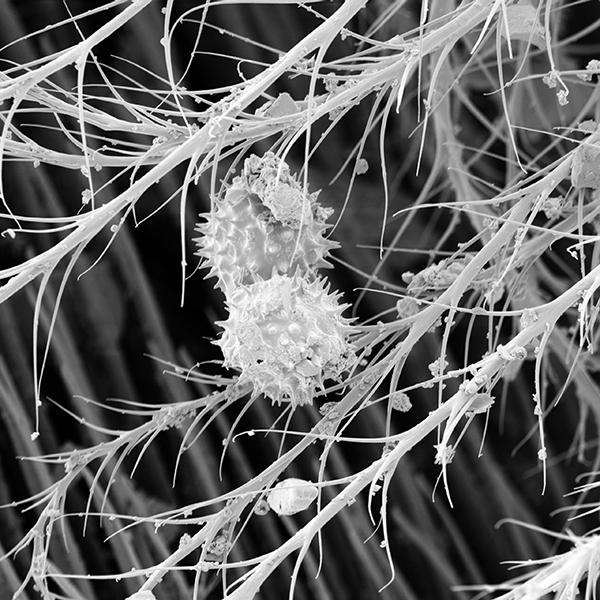
What is pollination? Pollination is the transfer of pollen from the male part of the plant to the female part of the same plant species. For most plants, pollination is needed to produce seeds and ensure uniformly shaped fruits and vegetables. Pollen transfer can occur with some help from animals (insects, birds, bats, lizards, etc.), known as biotic pollination (opens in new window). There is also abiotic pollination (opens in new window), resulting from gravity, wind, or water. Approximately twenty percent of all angiosperms (flowering plants producing seeds within a carpel (opens in new window)) are pollinated, either fully or partially, abiotically. Of the approximately 352,000 species of living, flowering plants worldwide, an estimated 87.5% are partially or wholly dependent on animal pollinators. Bees are often the most common and important pollinators within a given habitat. Non-bee floral visitors generally consume the pollen or nectar at the flower. Bees may also consume either pollen or nectar at the flower. But what makes them essential pollinators is that they collect the pollen and nectar from numerous flowers along the way, gathering sufficient provisions to carry resources to a colony or nest to nurture nestmates or offspring. Another important factor is their hairy bodies that get covered with pollen grains (see Figure 1), aiding in pollination distribution. Thus, bees will visit numerous flowers on any one flight, distributing pollen along the way. So, protecting bees and understanding how human actions can enhance or hinder their well-being is critical.
Worldwide, there are more than 20,000 described species of bees, of which more than 4,000 occur in North America. The number of bee species in Washington is unknown, but the Washington State Native Bee Society estimates over 650 bee species in the state. The honey bee (Apis mellifera) is native to Europe, the Middle East, and Africa. Evolutionary biologists assume that A. mellifera arose in Asia and expanded into Europe and Africa. The honey bee was first brought to the United States in 1622 and is now the most common bee for pollinating crops. However, native bees also play an essential role in crop pollination.
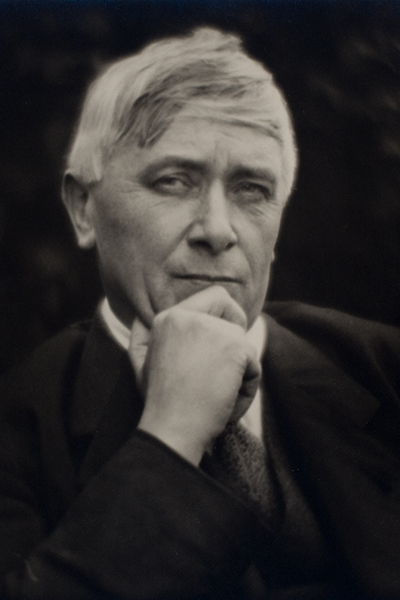
An often-quoted saying that “… perhaps one-third of our total diet is dependent, directly or indirectly, upon insect-pollinated plants” is one way to examine the importance of insect pollinators. However, the quote has often been misinterpreted and is perhaps not the best analogy. A better statistic that illustrates the importance of insect pollinators is that of the 115 food groups consumed by humans, 87 (75%) require animal pollination. Animal pollinators are essential for 13 of these crops, while 30 others are highly dependent on animal pollinators. So, animal pollinators are necessary for the human food supply and are critical to the diversity of animals dependent on dicots for nectar, pollen, foliage, and roots. The quote “If the bee disappeared off the face of the earth, man would only have four years left to live,” often incorrectly attributed to Albert Einstein, most likely came from Maurice Maeterlinck (Figure 2) in his book The Life of the Bee. The statement is a bit of hyperbole. It is unlikely that people would go extinct, as Maeterlinck predicted, considering that food staples such as wheat, rice, and corn do not need bees or animal pollinators to set seeds. For most of us, the loss of bees would result in a much blander diet and significantly reduced nutritional intake, and human life expectancy would undoubtedly suffer.
Pollination Ecology
Flowers
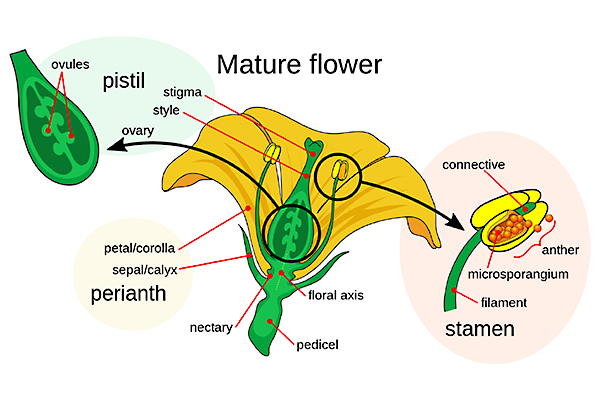
Most of the work in a plant occurs in the roots and leaves. Flowers take on the critical role of reproduction. Flowers are usually hermaphroditic with both male and female roles. The flower protects the delicate male and female tissue and balances inbreeding and outbreeding. The anthers, the male part of the flower, produce pollen, and the pollen must transfer to the female part of the flower, the stigma (Figure 3). Here the pollen germinates and grows down the style (the elongated portion of a pistil that connects the ovary with the stigma of a plant) to where fertilization occurs. The seeds develop in the ovaries. Fruit is a ripened ovary.
The pollination process occurs when pollen (i.e., the male gamete) leaves the anther of the floral source and reaches a receiving plant’s stigma. As soon as the pollen grain lands on the stigma of a compatible receiving plant, pollination is over. There are many types of flowers, from very simple to very complex, and each has evolved ways to ensure successful plant reproduction. Some plants are self-fertile and require no external assistance for pollen transfer. Wheat, for example, is self-fertile, and pollination occurs within the flower before it opens. Some new cultivars of fruits and vegetables are parthenocarpic (opens in new window), including strawberries, tomatoes, cucumbers, and even some squash. Other plants, like seedless watermelons, navel oranges, and bananas, set fruit without fertilization. You may still see bees and other pollinators on blossoms on some fruiting plants, but they are unnecessary for fertilization.
Other flowers are self-fertile but still depend on the wind, water, or animals to help transfer pollen to the stigma. Depending on the plant species, the pollen may need to come from another plant or another variety of the same species to set seed. The transfer of pollen from one plant to another plant is called cross-pollination. Cross-pollination helps increase plants’ fitness and survival by increasing genetic diversity.
Abiotic Pollination
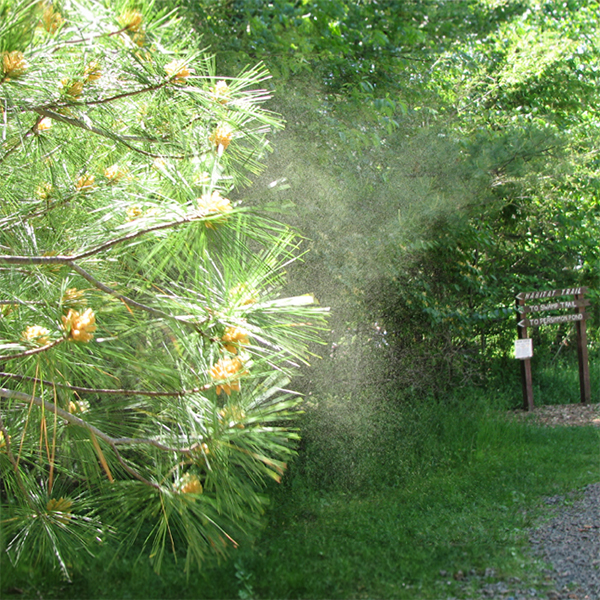
Abiotic pollination is pollination by an inanimate physical force, such as wind or water. Many plants have adapted their structure to facilitate the pollination process. Most conifers and 12% of flowering plants primarily use abiotic pollination, mainly by wind. These trees include pine, fir, and hemlock. Large amounts of “yellow-green dust” from conifers fill the air in the spring in the Pacific Northwest. This form of pollination is an expensive way to pollinate from the plant’s point of view, requiring the plant to use nitrogen and phosphorus reserves to produce the amount of pollen needed. For successful pollination, the plant must put out copious amounts of pollen to increase the probability of some landing on a receptive stigmatic surface (Figure 4).
Abiotically pollinated flowers have some common characteristics, such as drab flowers with reduced reproductive parts that include exposed, feathery stigmas that are better for catching pollen. Wind pollination (also known as anemophily) is the most common form of abiotic pollination, comprising more than 98% of this type of pollination. Abiotic pollination is not a completely random process with plants, and their pollen grains have adopted various properties to take advantage of fluid flow (opens in new window). There are also a few examples of gravity pollination (also known as autogamy), where pollen falls from the anthers onto a self-compatible-plant’s stigma. Most aquatic plant pollination occurs in the air above the water by either animal or wind pollination. A few plants use their water habitat to facilitate water pollination (also known as hydrophily).
In terms of acreage, most crops and plants that humans depend on are pollinated through abiotic pollination. Examples of abiotically pollinated crops include wheat, barley, oats, sorghum, rice, and corn.
Biotic Pollination
A far more efficient means of pollination is to attract an animal that will travel from flower to flower, transferring pollen between plants. Of the more than 250,000 flowering plant species globally, most (over 75%) rely on animals for pollination. Most of the animals involved in pollination are insects. Pollination by insects is called entomophily. Ant pollination is known explicitly as myrmecophily. Other animal pollinators include birds (ornithophily), bats (chiropterophily), snails and slugs (malacophily), and even snakes (ophiophily). The most common animals that regularly visit flowers include ants, bats, bees, beetles, birds, butterflies, flies, moths, and wasps. Insects are the most common flower visitors, although birds and some bats are important pollinators. Of the insects, bees are the most critical pollinator and will be the primary focus of this chapter.
Pollination Syndrome
Since Darwin published the book The Various Contrivances by Which Orchids Are Fertilized by Insects in 1862, biologists have considered flower and insect adaptations coevolved for the extreme specialization of pollination systems. Known as “pollination syndrome,” this concept that interactions between plants and animals are specialized and pervasive primarily at the order level persists. Some pollination ecologists classify different floral structures by the type of pollinator, which generally coincides with color, shape, odor, nectar quality and quantity, pollen quality, and bloom. But others suggest that pollinators are opportunistic and will readily shift to whatever resource offers the best reward.
Generalized terms like bee flower, bird flower, or bat flower describe floral sources in relation to a particular animal. While these generalized terms can be helpful, they may fail to convey that other animals also pollinate them. Moth or bat flowers are white or dull in color, are clustered, have landing platforms, and open late afternoon or night. Bird flowers are brightly colored in reds, yellows, or oranges, they have no odor, and tubular corollas. Bee flowers are full of nectar, brightly colored in blues and yellows, can have a sweet or minty fragrance, and are open during the day. Butterfly flowers are brightly colored—red, yellow, or orange, and the nectar is deeply hidden.
Of the 352,000 species of flowering plants, only about ten percent have sufficient data on all their pollinators. Perhaps it is best to look at pollination adaptations as a continuum with some very specialized transformations occurring on one end and a more generalized free-for-all on the other end. Most animals are opportunistic and will take advantage of available floral resources. The presence or absence of primary pollinators may affect the population of other species seeking nutritional rewards. The presence of different species of bees will also affect the behavior of competing species and can help with the pollination process. For example, when Osmia lignaria (a.k.a. blue orchard bee) are present in orchards, honey bees (A. mellifera) change their foraging behavior, increasing between-row visitation and foraging behavior within the tree canopy. This competition between species improves overall pollination efficiency.
Some consider honey bees to be super generalist pollinators, visiting a wide variety of floral types. Some argue that generalists like the honey bee can negatively affect the structure and function of pollinator networks by displacing native bees. However, others suggest that super generalist pollinators can stabilize plant-pollinator networks and improve the pollination of exotic crop species.
For an in-depth list of bees that specialize, see Pollen Specialist Bees of the Western United States (opens in new window) by Jarrod Fowler.
An incredible diversity of agents play some role in promoting the pollination process. An estimated 350,000 vertebrate and invertebrate species move pollen between flowers. These animals visit flowers for food; the pollen provides protein, and the nectar provides sugar (carbohydrates). Besides protein, pollen contains other nutrients, such as starch, sugars, fat or oil, minerals, antioxidants, sterols, and vitamins like thiamin.
Not all vectors or agents found on flowers are necessarily helping with pollination, and not all animal visitors to flowers are necessarily effective pollinators. Just because an animal is visiting a plant for rewards does not mean the visitor is a good pollinator. They instead may be herbaceous grazers (consuming pollen or the flower). Some animals can gain access to pollen or nectar rewards without transferring pollen. For example, with its long beak, a hummingbird can take up the nectar reward in some plants without touching or transferring the male pollen to the flower’s female parts. Some bees learn to bypass the pollination process by cutting holes in the side of the flower, thereby gaining quicker access to nectar.
There are published reports of snails and slugs acting as pollinators, but mollusks generally lack the anatomical structures necessary to be effective pollinators. There are no known examples of bat pollinators in Washington, but bats in Arizona pollinate saguaro cactus.
The diversity of insect pollinators is quite extensive and includes flies, butterflies, moths, beetles, and bees. Butterflies and moths (Lepidoptera) have the most significant number of pollinator species, with moths accounting for more than ten times the number of pollinator species over butterflies. Beetles (Coleoptera) are the second-largest group, followed closely by bees, wasps, ants (Hymenoptera), and flies (Diptera). Based on their structure, function, and number of individuals, bees are, by far, the primary pollinator of many fruits and vegetable plants.
Some pollinators visit many different types of flowers during the day, which is suitable for the insect but not the best strategy for the plants it visits. A pollinator that visits many kinds of flowers will transfer pollen. However, it may not transfer enough of the correct type of pollen for the plant to set seed and produce fruit. Transferring the wrong pollen could reduce the chances of seed set by clogging the stigma. A plant that must be cross-pollinated needs pollen from a compatible plant of the same species to land on its female receptor (the stigma) to succeed in setting seeds and producing fruit. Honey bees are generalists as a colony, meaning forager honey bees from any one hive can visit many different species of plants. However, each bee, on any given flight, visits only one type of flower, increasing the honey bee’s effectiveness as a pollinator.
Bumble bees can visit ten to twenty flowers per minute and tend to be generalists but vary their foraging depending on resource availability. Unlike honey bees, bumble bees do not have a formal communication system, and foragers learn primarily by trial and error which flowers offer the best rewards. Once the bumble bee has learned a floral source, they follow a trapline approach (opens in new window) to repeat sequential visits to a known resource. Bumble bees will continue to work on a given resource until they find a higher reward. Honey bees have evolved a highly sophisticated communication system to relay the exact location of floral resources to other nestmates. Rather than relying solely on trial and error like the bumble bee, honey bees fly directly to a known resource. They also tend to forage in straight lines, following tree or crop rows to blossoms. This behavior can be a problem if cross-pollination between rows of cultivars is required. By promoting other pollinators in a field or orchard, growers can modify honey bee behavior, encouraging them to move more readily between different cultivars.
Bees
Bees are in the order Hymenoptera, which also includes wasps, ants, and sawflies. Bees are important and efficient pollinators. The imported European honey bee is perhaps the best known and one of the most critical agricultural pollinators. Still, other bees are also essential pollinators for the crops we rely on for sustenance and many plant species, including native plants. The bee’s hairy body and ability to fly quickly from flower to flower make it perfectly adapted as a pollinator. Almost all bees rely on pollen as their only source of protein and an essential dietary resource for vitamins and minerals. The ability of the western honey bee to adapt to artificial nest sites (i.e., beehives) makes them easy to move when and where pollination services are needed. Honey bees have become the most common and important managed pollinator throughout most of the world. But, again, remember other bees also provide essential pollination services.
The Bee Families
There are six bee families (opens in new window) found in Washington, including mining bees (Andrenidae), honey bees and bumble bees (Apidae), plasterer bees (Colletidae), sweat bees or alkali bees (Halictidae), mason bees and leafcutter bees (Megachilidae), and, perhaps, the melittid bee (Melittidae). (The last documented find in Washington was in the Tri-Cities area, around Yakima River and Morgan’s Ferry, collected in 1882. Dr. Bill Turner also collected a specimen in northwestern Idaho in the 1970s.) Without bees providing pollination, yields for many important fruits and vegetables are significantly reduced. Bees are not necessary for the growth of vegetable plants themselves, but they are often required for producing the seeds to grow them and for fruit formation.
Bees fall into one of two broad categories—solitary or social. But within each of these categories, they can be further divided. Some bees may appear to be social but are, in fact, solitary bees in clusters. There are non-apis apoidean managed bees where growers set up blocks of wood or tubes to provide suitable nesting habitat for leafcutter and mason bees. A single female bee provisions each tube or hole. She will provision the tube with a pollen pellet, lay an egg, seal the cell off with mud or leaf material, and then continue that process until the tube is full. Alkali bees similarly aggregate or cluster in common areas. These bees are essential to alfalfa seed growers who set aside and protect wet alkali flats. The bees construct a single vertical tunnel three to sixteen inches deep with several (15 to 20) short lateral branches off the main tube. The female will provision a pollen pellet within each lateral branch and lay an egg on the pellet. There may be as many as 50 nest cells per cubic foot.
Honey bees and most bumble bees are eusocial, meaning a single female produces all the colony’s offspring and the nonreproductive females care for the young. Bumble bees have a relatively primitive social structure. They do not have a known communication system, such as the more evolutionarily advanced honey bee. Bumble bee nests are small and annual, with only the young, newly inseminated queens overwintering. In the spring, the young queen must start a new colony every year. On the other hand, honey bees have a sophisticated division of labor, and the queen bee cannot begin a nest without other workers. They also have a highly evolved social structure with a sophisticated communication system supporting a perpetual nest that divides into new colonies every year.
Common Bees in Washington State
Andrenidae (a.k.a. mining bees, as they burrow in the ground) is a very large family with more species than any other family of bees in Washington. They are important pollinators of many wildflowers and can be specialized, especially for plant species that bloom in and around vernal pools (opens in new window). Mining bees are buzz pollinators and important pollinators of crops such as apple, pear, apricot, sweet cherry, blueberry, oilseed rape, and sunflowers.
The largest and most important bee pollinators are in the family Apidae, with over 5,700 described species, including the honey bee (Apis mellifera) and bumble bees (Bombus spp.). Both honey bees and bumble bees are used for commercial pollination of crops, but honey bees pollinate most of the crops in the United States and around the world. More than a million honey bee hives are needed to pollinate almonds in California in February and early March.
Another important ground-nesting bee (a few nest in rotting wood) is the family of Halictidae or sweat bees, which is the second-largest family of bees (over 4,300 described species), found on every continent except Antarctica. Halictidae are often metallic and can be black, brown, green, or blue. They tend to be host-plant generalists, but a few are host-plant specialists. They have diverse social behaviors that include solitary, communal, semi-social, and eusocial. Megachilidae comprises more than 4,000 described species that are primarily solitary, but there are a few communal species. Communal, in this sense, means two or more females use the same nest, but each makes and provisions her own cells and lays an egg in each of them. The family Megachilidae has important pollinators such as the mason, leafcutter, and resin bees.
What Makes Bees Such Good Pollinators?
Bees are perhaps the most well-adapted animal for the pollination of plants. As noted earlier, pollen is the primary source of protein for bees and the only natural source they receive. Pollen provides essential nutrients for bees, including lipids, amino acids, antioxidants, carbohydrates, and other essential micronutrients. Bees have evolved various adaptations to exploit the resources plants provide, and plants have evolved to take advantage of bees to distribute pollen and genetic information. There are some key factors that make bees good pollinators:
- They are female. Only female bees collect pollen and carry it back, using it primarily to feed their or the colony’s developing young larvae. Male bees may feed on pollen at the floral source but do not have specific pollen collection abilities.
- Branched, hairy bodies can trap and hold large amounts of pollen grains.
- The generation of static electricity as they fly helps hold pollen on their bodies. The tiny pollen grains stick to the bee’s body and transfer to the next visited flower.
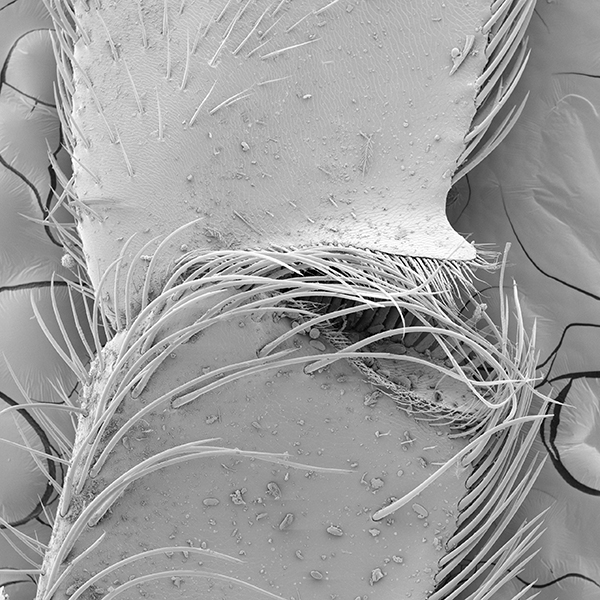
- They have a specialized body structure for carrying pollen. Some bees, including honey bees, have pollen baskets on their hind legs, called the corbicula. These baskets are flattened areas on the hind legs, surrounded by a dense collection of hairs (Figure 5). The pollen on the bees’ hind legs is carried back to the hive to feed the bee larvae. Other bees, such as the female leafcutter bees (Megachilidae), collect pollen on a dense mat of hairs on the underside of their abdomen, known as the scopa. These specialized structures for pollen allow the bees to visit many flowers on a single collection trip, thus improving pollen distribution. When the bees groom the pollen grains off their body hairs and transfer them to the pollen-holding area, some pollen will fall off and land on the waiting stigma.
- Their vision allows them to pick up on visual cues provided by the plant. Bees can see the ultraviolet light range and can detect “nectar guides” and changes in electric fields provided by the flower. The ultraviolet markings of the flower guide the bees to the nectar or pollen reward and improve the pollination process. The electrostatic field helps the bees determine which flowers have been recently visited by other bees, thus enhancing the chance of a nectar or pollen reward.
- Some bees “buzz pollinate” by shaking the pollen grains from the anthers (the male part of the plant) onto their bodies or directly onto the stigma (female part) of the flower. These plants have coevolved with buzz-pollinating species of bees. Some bees buzz more effectively than others. Bumble bees, for example, are excellent buzz pollinators. Plants like tomatoes and blueberries can release more pollen when they are “buzz pollinated.” See the YouTube video “This Vibrating Bumblebee Unlocks a Flower’s Hidden Treasure.”
- Floral consistency, or the bee’s tendency to visit the same plant species, is an important characteristic to ensure the correct type of pollen is transferred to the receptive stigma. Thus, bees like the honey bee that only visit one type of flower on any given trip increase their value as efficient pollinators.
Both honey bees and the many native bee species are critically important for pollinating many fruit and vegetable plants. Our responsibility is to improve bee habitat and protect bees from toxins and pests in the environment. Beekeepers have long understood that pollen and nectar stimulate the queen bee to begin laying eggs. We also know that young bee larvae (brood) stimulate worker bees to collect more pollen using chemical cues (known as pheromones). So incoming pollen stimulates the queen to lay eggs, and the resulting larvae stimulate the bees to collect more pollen. It is all about stimulus response. In fact, most—if not all—insects are prone to stimuli that solicits a predictable response. One way to improve pollination is to provide an adequate and diverse source of nectar and pollen. Providing a diversity of floral sources near the target crop to be pollinated will increase the diversity of pollinators. The same principle holds for the gardener who wants to increase visits from bees or other pollinators—simply plant more flowers. Various floral sources that begin to bloom early in the spring and additional floral sources that extend well into the fall are the best choices for improving bee habitat.
The Decline in Honey Bee Populations
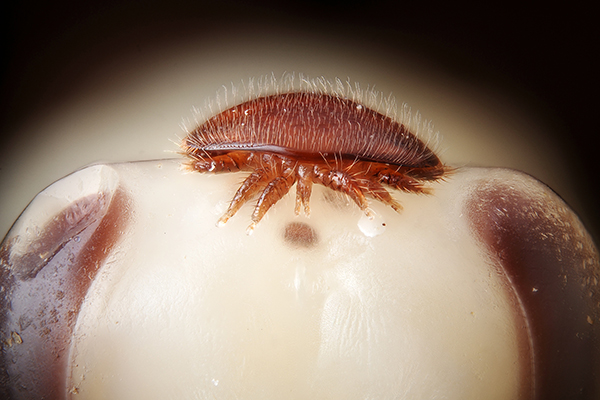
The decline of bees has been prominent in the media for many years. However, the number of managed bee colonies in the United States has not changed more than a few percentage points, ranging between 2.68 and 2.83 million hives from 2016 to 2020. However, to maintain these numbers, beekeepers have needed to invest significantly more resources to maintain healthy hives and to replace hives that die out. Many factors affect honey bee health—most notably a parasitic mite (Varroa destructor) that vectors (transfers) pathogens. For many years it was thought that these mites feed on the bee’s blood (hemolymph), but recently it was discovered that they feed on the fat. The Varroa mite significantly reduces the bee’s ability to overwinter successfully, and without treatment, most (if not all) infected colonies will die from varroa infestation within two years. This mite is a significant threat to the US honey bee industry. It is, directly and indirectly, responsible for the loss of tens of thousands of honey bee colonies every year. Varroa first appeared in the United States in 1987. This mite weakens honey bees (Figure 6), making them more susceptible to toxins, such as pesticides, and pathogens, such as viruses, bacteria, and fungi. While the Varroa mite is the single most significant factor affecting honey bee health, researchers have identified multiple contributing variables, including habitat loss, nutrition, and pesticide exposure.
Most beginning beekeepers become sources for the spread of Varroa mite and the various affiliated pathogens, so you must learn as much as you can about controlling Varroa mite. (Be sure to go to reliable sources like Bee Health (opens in new window). And practice what you learn!) Other issues with keeping honey bees include some twenty-six different viruses that we know about and a few bacterial diseases like American Foul Brood (AFB) and European Foul Brood (EFB). AFB is the more serious of the two, and once a colony has it, you generally must burn the hive—bees and all—to avoid spread. One final comment about beekeeping, never work a hive of honey bees without using smoke—or sooner or later, you will regret it.
The Decline of Bumble Bee and Other Pollinator Populations
Several factors are associated with the decline of some bumble bee species and, by extension, many other pollinators. The critical variables associated with pollinator decline are habitat loss and degradation, including reduced floral abundance and diversity. Habitat loss is primarily from agricultural intensification, monoculture cropping systems, and urbanization. In North America, some bumble bee species have declined since the 1990s due to nonnative parasites from Europe, likely introduced from bumble bee colonies used for pollination of greenhouse crops. Other factors include climate change, invasive species competition, and pesticides. Unlike honey bees that can be moved in and out of areas to take advantage of floral resources, many native bee populations need a sequence of blooming plants that provide nectar and pollen rewards. Another critical component for native bee species is the need for suitable nesting sites. A growing body of evidence suggests that providing natural habitat in or near agricultural areas benefits native pollinators. Increasing the diversity of floral resources will attract more bees and other pollinators to a location and will, over time, steadily increase their population.
When discussing what should be done to “help save the bees,” many entomologists suggest, “plant more flowers.” It is especially important for many native bees, but all bees will benefit from increased floral sources. Planting flowers will go a long way to helping improve the habitat for bees and many other beneficial insects. Urban and residential areas can provide rich floral sources for many species of bees. Honey bees (when managed by a beekeeper) and many solitary bees and ground nesters do well in urban environments. In the publication The City as a Refuge for Insect Pollinators, the authors argue that urban pollination habitat has a high likelihood of success because “…due to insect pollinators’ relatively small functional requirements—habitat range, life cycle, and nesting behavior—relative to larger mammals, we argue that pollinators put high-priority and high-impact urban conservation within reach.” Residential neighborhoods closer to the urban/rural fringe could further enhance pollinator diversity by creating more habitat for a greater diversity of bee species.
Attracting Pollinators
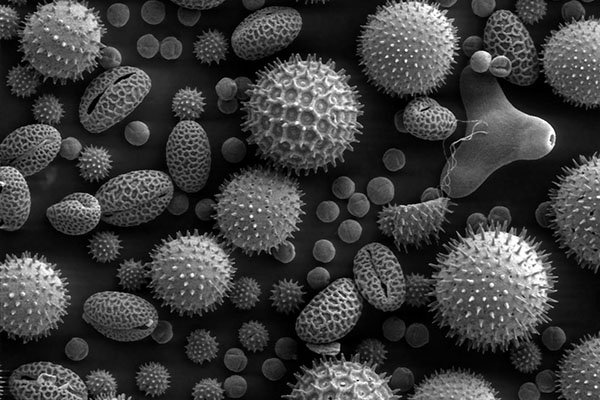
There are many resources for finding suitable floral sources that will attract bees. It is important to remember that the bee’s primary source of protein and lipids needed to feed developing larvae is pollen (Figure 7). Generally speaking, plants dependent on insect pollinators produce more protein and lipids. There is also strong evidence to suggest that bees will alter their foraging behavior based on their nutritional needs. This shows an incredible example of the coevolution of interdependent species, but it should also give us pause to consider the type of floral resources to provide to attract pollinators. Protein and lipids are essential; many nutrients are needed to maintain optimal health and sustain a healthy population in each area. As stated earlier, other critical nutrients that bees derive from pollen include amino acids, antioxidants, carbohydrates, sterols, and essential micronutrients.
Plants use many ways to attract pollinators to visit their flowers, including color, shape, scent, and food reward. The number of flowers in a location, on each plant, and their accessibility, are all factors in attracting animals to seek the rewards the plant offers in exchange for the pollinators transferring the pollen.
Bees prefer clusters of flowers, and a diversity of different types of flowers is also important. To sustain bees throughout the season, willow, alder, maple, dandelion, mustard (brassicas), and deadnettle are good early season plants. Excellent and reliable bee plants that are relatively easy to grow include clarkia, poppy, borage, lacy phacelia, clover, cosmos, oregano, thyme, rosemary, Russian sage, and sunflower. Late season bloomers include nasturtium, aster, goldenrod, sedum, and hyssop. Many annual, pollinator-friendly plants will regenerate year after year. Some annuals need assistance to regenerate, mainly through ensuring there is good seed-to-soil contact.
Resources for selecting plants appropriate for bee habitat
Reducing Pesticide Hazards for Bees
Bees are often exposed to pesticides that can have lethal (causing death) and sublethal (harmful) effects. Recent research has shown that even chemicals that do not kill bees outright can cause them to become disoriented and less efficient at what they do, and can reduce their life span. Thus, it is critical to be cautious when using pesticides and to only use them when necessary to control an outbreak of pests.
Neonicotinoid Pesticides
Recently, neonicotinoids (opens in new window) have been in the news because of concerns about their impact on bees and other pollinators. These insecticides (a class of pesticide) can be taken up by a plant through its roots or seed coat and move through the plant, just like water and nutrients. Foliar applications can penetrate the leaves, remain in the leaf cells, or move to other plant parts.
Neonicotinoid insecticides provide very effective control of piercing and sucking insects. They are also effective for certain beetles, fleas, flies, and cockroaches. The significant advantage of neonicotinoids is that they are very safe for use around people and pets. Because of their effectiveness and relative safety, neonicotinoids have become one of the fastest-growing classes of pesticides used in agriculture and home and garden products.
Over the last few years, the neonicotinoid class of insecticides has become necessary for agriculture and home landscapes. According to the Washington Department of Agriculture, there are approximately 583 products containing neonicotinoids (a.k.a. “neonics”) approved for use in the state of Washington, and about 200 neonics are approved for use in the home and garden.
Because neonicotinoid products move systemically throughout the plant, there is far less direct pesticide exposure to the person applying the pesticide and the environment. Ironically, this systemic action can make neonicotinoids a problem for honey bees and other pollinators after the application is completed. Neonicotinoids spread within the entire plant and can sometimes be found in the nectar and pollen of the flowers long after being applied. There is little evidence to support the idea that exposure to neonicotinoids in pollen and nectar is a cause for the decline in bee populations. On the other hand, foliar application (spraying) of neonicotinoids when bees are present often kills them. To keep bees safe, caution should be used with neonicotinoids or other pesticides.
Some of the more common “active ingredients” in neonicotinoids in the state of Washington include acetamiprid, clothianidin, dinotefuran, imidacloprid, and thiamethoxam. Again, take precautions when using pesticides and avoid using them when bees are present or during and just before flower bloom. Please see Neonicotinoid Pesticides and Bees (opens in new window) for more information.
Some necessary precautions when applying chemicals on plants:
- Always follow label restrictions and requirements.
- Avoid spraying whenever bees are or might be flying. It can be challenging to see some bees on some types of flowers. Additional precautions should be used when using pesticides where blooms are present.
- Try to spray before the bloom or after the flowers are done blooming.
- Prior to applying spray to a bush or tree, be sure to verify there are not hard-to-see flowers underneath or nearby. Look around for other flowering bushes or trees where the pesticide may drift.
- Try not to spray just before or during bloom. If necessary, spray at night or early in the morning before the bees fly. Once the spray has dried on the plant, it may be less toxic to bees.
- Avoid spraying if there is heavy fog or dew, as this will keep the pesticide wet and increase the chances of bees receiving a toxic dose.
- Avoid spraying on standing water, such as puddles, or applying chemicals through irrigation systems (chemigation). Bees have a high demand for water and often collect water from puddles and drip emitters. In the state of Washington, you should check with the Washington Department of Agriculture before applying pesticides near streams or open water bodies.
If a pesticide must be used on fruit trees and vegetable or landscape plants just before or during bloom, use a product with low toxicity to bees. Look for the terms “toxic to bees” or “highly toxic to bees” under the Environmental Hazards section on the pesticide label. If there is no mention of bee toxicity, it will be relatively nontoxic. Always follow label recommendations when applying any product. The pesticide label is a legal document, and misapplication is against the law.
Bees are sensitive to many insecticides approved for use around the home, including neonicotinoid (pronounced neo-nih-CAH-tin-oid) and pyrethroid (pronounced pie-ree-throid) insecticides. Recently, there has been a great deal of concern that neonicotinoid insecticides (also known as “neonics”) are the cause for the decline of honey bees (see the Neonicotinoid Pesticides sidebar). There is insufficient scientific evidence that pesticide exposure, outside of high intensified agricultural areas, from contaminated pollen or nectar is the cause of bee decline. However, these insecticides can be harmful to bees if not used properly. Be careful whenever applying any pesticides. Again, always read and follow the label instructions.
Habitat
The decline of pollinators and biodiversity in general is linked to habitat destruction, fragmentation, and degradation. It is a problem for honey bees, but they are often intensively managed, and beekeepers can supplement their food sources by feeding sugar syrup and pollen substitutes or moving them to a new location. Unfortunately, this is not an option for native or wild bee populations. The quick answer is to plant more flowers! It is the single most important thing to benefit all pollinators. But it is a bit more complex than that. We also need to be sure that we are meeting all the needs of the pollinators.
Understanding the needs of various pollinator species requires a thorough knowledge of their natural history. The needs of any given group of pollinators may vary considerably. Some bumble bee generalists can forage in various habitats, from meadows to wooded areas, to river-edge vegetation. At the same time, others may have particular pollen requirements and will not thrive or perhaps survive without a specific type of vegetation in the vicinity.
An abundance of flowers is a critical component of this triad. Planting flowers is something everyone can do and certainly a significant part of ensuring pollinator health. Plant various flowers throughout the garden, including some that will bloom in the early spring and others that continue to bloom right up to the first frost in the fall. Having an abundance of flowers and planting a diversity of flowers is one of the best ways to help all bees and other pollinators. Bees prefer clusters of flowers, which helps reduce the energy required to gain the nectar or pollen reward. Ideally, more extensive wildflower plantings with diverse flower species mixes are more suitable for conserving wild pollinators. It also helps in the reproduction and thus the abundance of the plants they pollinate.
Of critical importance, nesting sites determine whether or not pollinators will reproduce. Some pollinators, such as some species of hover flies or syrphid flies, need water bodies for their aquatic larvae. Other pollinators may require specific types of microhabitats, such as decaying wood. The more diverse or heterogeneous a habitat is, the more pollinator species it can support. People can aid pollinators by ensuring the availability of material for nest construction, providing sites for hibernation over the winter months, or protecting areas such as south-facing slopes or hedgerows that help protect from harsh winds.
The decline of pollinators can be attributed to disease, parasites, pesticides, and habitat loss. Planting flowers and creating habitat are the two most impactful things you can do to help pollinators on your property. Bees are healthier when they forage upon a diversity of pollen and nectar sources. Honey bees that receive a natural diet can better detoxify chemicals, including pesticides. An abundance of nectar and pollen can reduce the impact of pesticide exposure on bees and other pollinators. An abundance of nutritional resources can also improve the bees’ immune system and help offset some of the adverse effects of both diseases and parasites.
Many native or eco-appropriate (noninvasive) plants are good sources of nectar and pollen for bees and do well without pesticides. Plants such as lavender, chive, borage, sage, oregano, sunflower, phacelia, clover, mint, and dandelion are excellent pollen sources in the early spring. They are relatively easy to grow and do not need to be treated with pesticides. WSU Extension offices, local nurseries, the Ecoregional Planting Guides on the Pollinator Partnership (opens in new window) website, and others listed in Table 1 above are good resources to get ideas for pollinator-friendly plants. Another good resource can be found at the Xerces Society’s Pollinator-Friendly Native Plant Lists (opens in new window) website.
Diversification of Pollinator Species
Mason and Leafcutter Bees
One way to augment pollination is to put out a mason bee or leafcutter house (Figure 8). Mason and leafcutter bees are solitary but will cluster together, are unlikely to sting, and are relatively easy to take care of. This alternative to planting flowers is relatively inexpensive and requires no special skills to be successful. Plans for building a simple bee house are readily available on the internet or available for purchase. Both mason bee and leafcutter cocoons are available at many feed stores or hardware stores.
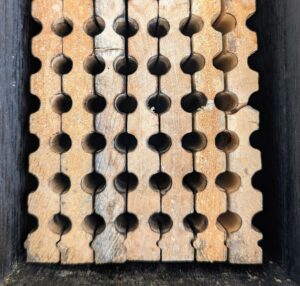
Locate the bee house in an area protected from the wind and facing south or southeast and away from human traffic. The early morning sun and protection from the wind will often get them going early. The female mason bee provisions the cell with a small pollen pellet, lays an egg on the pellet, seals it off with mud, and then starts the process over again until the tube is full. Then she begins working on another tube. Generally, there are six to seven cells in a tube. The first cells are provisioned with females. In the later cells, male eggs are laid. The males will emerge first so they are available to mate with the females. In dry areas you must provide a source of mud for the bees so they can seal the cells off—leafcutter bees cut precise pieces of leaves to seal off the cells (thus their name).
Most mason bee houses have areas where cocoons can be placed and allowed to emerge. There will also be an area where 5/16-inch diameter tubes can be placed. It is recommended to do a staggered release early spring placing a few cocoons out over several weeks. This will help establish a population of bees during unfavorable climatic conditions. For example, if you have 50 cocoons, release 10–12 a week for 4–5 weeks starting in early spring when the first blooms occur. Mason bees emerge in the early spring. Males live for about two weeks, during which time they will mate with the females. The females, by contrast, live for about six weeks, during which time they will lay one or two eggs a day. Thus, a staggered release will extend the time they are available for pollination. The same strategy can be used for late spring and summer pollination with leafcutter bees. Mason bees and leafcutter bees do not fly far from their bee house (within a few hundred feet), so the closer the crops you want to be pollinated, the better.
To keep mason and leafcutter bees, you need to know about several of their parasites and predators.
- Birds can be a significant predator of these bees, especially woodpeckers, so placing a wire screen with a large enough opening for the bees to get through will stop the birds from feeding on developing larvae (usually a screen placed an inch or two away from the tubes will suffice).
- Parasitic wasps (genus Monodontomerus) can be a problem. They use their ovipositor to lay eggs on the developing bees. To protect bees from these wasps, you can put a nylon stocking over the mason or leafcutter bee house after all adult bee activity has ended for the year or remove the cocoons from the tubes and store them in a cool, dark location.
- Pollen mites consume the pollen pellet meant for developing bee larvae. The larvae will eventually starve. The best way to control pollen mites is to remove the bee cocoons from the tubes and brush off the mites.
- A fungal pathogen known as chalkbrood (Ascosphaera spp.), related to a fungus that affects honey bees.
Honey Bees
Another way to improve pollination is to become a honey bee beekeeper. Honey bees are great pollinators but require a significant financial and time commitment to succeed. If you are not comfortable working with honey bees without gloves, you should think twice about getting a hive. The setup costs can be substantial, sometimes costing several hundred dollars just to set up one or two hives. The equipment needed to harvest the honey will cost several hundred additional dollars. Getting the colony established during the first year with enough food stores to overwinter successfully can be challenging, and the learning curve for beekeeping is quite steep. If you are thinking about becoming a beekeeper (of honey bees), look for a local organization and go out with a beekeeper once or twice to see if you like doing the work. If you are comfortable working bees without gloves, you don’t mind the heavy work and lifting, and can afford the startup costs, great! An excellent place to learn how to keep bees in the state of Washington is from the Washington State Beekeepers Association (opens in new window). If keeping honey bees is cost prohibitive or you are uncomfortable handling them, and mason or leafcutter bees are not an option, you could offer a local beekeeper a location where they can keep their hives. You get the benefit of having the bees, but don’t have to do any of the work, and most beekeepers are happy to share a little of their honey in exchange for the location.
Summary
Pollination is a short but essential period in a plant’s life cycle. Many abiotic and biotic agents help facilitate pollination. Many plants need pollinators to set fruit or ensure that fruit develops correctly and uniformly. The diversity of pollinators is quite extensive, but bees are the primary pollinator of fruit trees and vegetables. Without bees, the amount of fruit produced would be significantly less. The focus of improving pollination should be on improving the habitat for bees. The same measures used to enhance bee habitat and activity will also assist with helping other important pollinators thrive. The most important thing gardeners can do is plant a diversity of flowers that satisfies the bees’ (and other pollinators’) nutritional needs and ensure adequate nesting for reproduction.
It is imperative to limit the exposure of bees to pesticides, most notably insecticides and fungicides. An excellent general rule is to avoid spraying whenever bees are present or when flowers are blooming. Remember to look around blossoming trees for flowers on the ground or nearby bushes and shrubs before spraying. If using a pesticide is necessary, use a product with low toxicity to bees, and do not apply until late in the day, just before dark, or early in the morning, when bees are not present. Always follow label recommendations when applying any chemical product. Finally, consider using flowering plants that do not need to be sprayed.
Acknowledgments
The author wishes to acknowledge the following whose work was referenced in the development of this chapter—D. Abrol, E. Almeida, J. Ascher, H. Ben-David, M. Berenbaum, D. Briggs, J. Cane, S. Cardinal, O. Carril, J. Chen, L. Chittka, S. Cunningham, B. Danforth, A. Dyer, A. Elbert, E. Erickson, J. Estes, K. Faegri, G. Gillaspy, W. Gruissem, M. Haas, S. Huang, P. Jeschke, P. Kevan, A. Klein, C. Kremen, T. Lawrence, J. Leong, M. Maeterlinck, W. Mao, S. McGregor, C.D. Michener, D. Michez, R. Nauen, J. Ollerton, C. Praz, Q. Quan, M. Schuler, W. Sheppard, S. Springer, I. Steffan-Dewenter, J. Tang, T. Thielert, R. Thorp, T. Tscharntke, the USDA, B. Vaissiere, L. van der Pijl, J. Watson, P. Willmer, J. Wilson, A. Wolf, T. Wu, and the NRCA Committee on Status of Pollinators in North America.
Further Reading
Bauer, N. 2012. The California Wildlife Habitat Garden How to Attract Bees, Butterflies, Birds, and Other Animals. University of California Press.
Bloom, E.H., R.L. Olsson, and D.W. Crowder. 2017. A Citizen Science Guide to Wild Bees and Floral Visitors in Western Washington. Washington State University Extension Publication EM110E.Washington State University.
Bloom, E.H., R.L. Olsson, E.H. Wine, R.N. Schaeffer, and D.W. Crowder. 2018. An Introduction to Cavity-Nesting Bees in the Puget Sound Region. Washington State University Extension Publication FS293E. Washington State University.
Edmunds, B., R. Little, and R.R. Sagili. 2016. Nurturing Mason Bees in Your Backyard in Western Oregon (opens in new window). Oregon State University Extension Publication EM 9130. Oregon State University.
Hayes, R.F. 2016. Pollinator Friendly Gardening—Gardening for Bees, Butterflies, and Other Pollinators. Voyageur Press.
Lawrence, T. 2015. Pollination and Protecting Bees and Other Pollinators. Washington State University Extension Publication FS174E. Washington State University.
Lawrence, T., and W.S. Sheppard. 2013. Neonicotinoid Pesticides and Honey Bees. Washington State University Extension Publication FS122E. Washington State University.
Lee-Mäder, E., J. Fowler, J. Vento, and J. Hopwood. 2016. 100 Plants to Feed the Bees—Provide a Healthy Habitat to Help Pollinators Thrive. Xerces Society for Invertebrate Conservation.
Melathopoulos, A., N. Bell, S. Danler, A.J. Detweiler, I. Kormann, G.A. Langellotto, N. Sanchez, H. Stoven, and D. Smitley. 2020. Enhancing Urban and Suburban Landscapes to Protect Pollinators (opens in new window). Oregon State University Extension Publication EM 9289. Oregon State University.
Ollerton, J. 2021. Pollinators and Pollination: Nature and Society. Pelagic Publishing Ltd.
Wilson, J.S., and O.M. Carril. 2015. The Bees in Your Backyard—A Guide to North America’s Bees. Princeton University Press.