Plant Pathology
Jenny Glass, Extension Educator, Puyallup Plant & Insect Diagnostic Laboratory, Washington State University
Carrie Foss, Extension Urban IPM Coordinator, Puyallup Research and Extension Center, Washington State University
Laurel Moulton, Extension Educator, Clallam County Extension, Washington State University
Introduction
Plant pathology encompasses the study of plant diseases and their management. For this handbook, plant disease is defined as:
- any change in the normal structure, function, or development of a plant; or
- when a plant varies in some way from what is considered healthy.
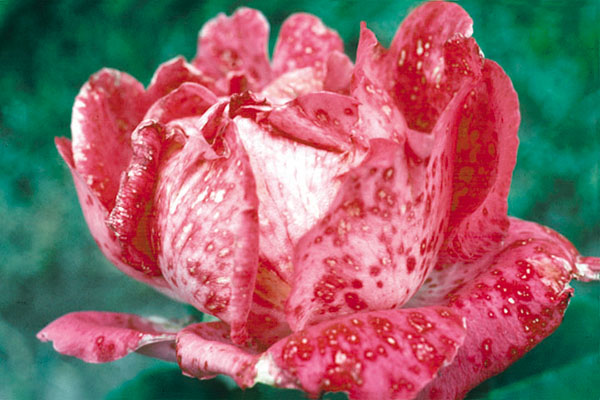
Many plant pathology references find it useful to distinguish plant disease from plant injury. Diseases result from exposure to an irritant of long duration, such as the presence of a pathogen or the chronic exposure to less-than-ideal growing conditions, while plant injuries (opens in new window) result from “instantaneous” contact of a nonliving stressor such as might occur as the result of an extreme weather event. Other definitions limit the use of the term “disease” to just when a plant is infected with a disease-causing or problematic organism, referred to as a pathogen (opens in new window), and the result is detrimental to the plant. In this chapter, we will use the broader definition of plant disease because that most closely reflects what is typically observed on the plants in our landscapes and gardens.
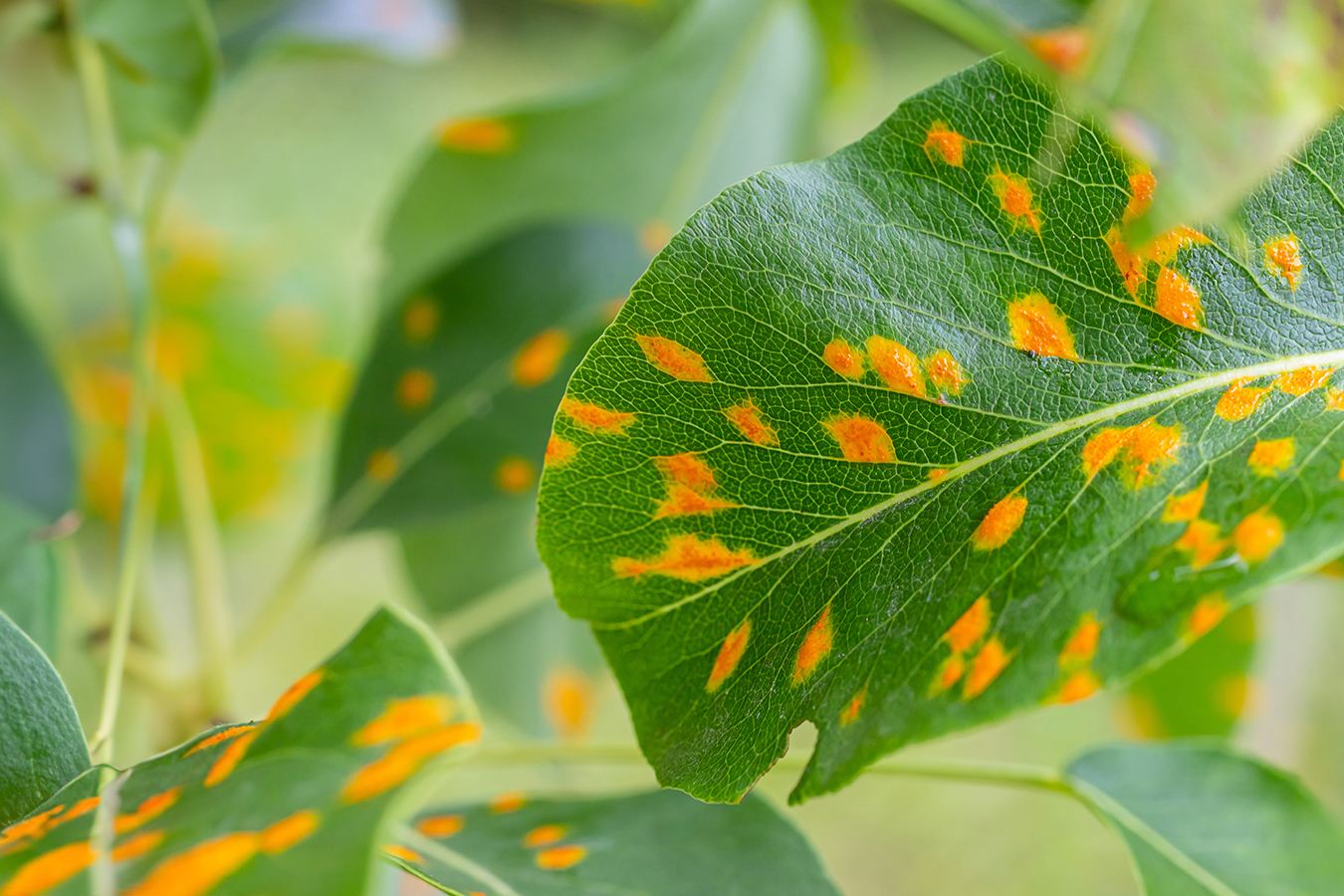
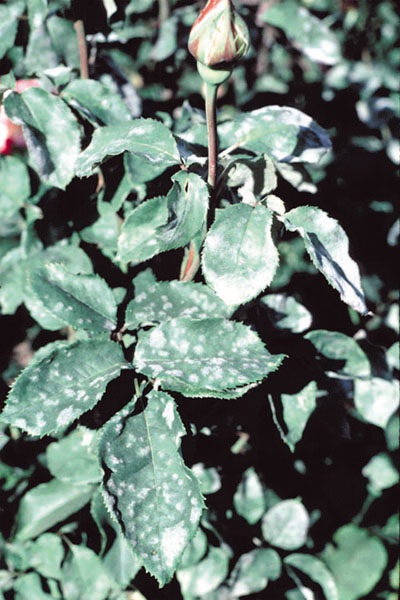
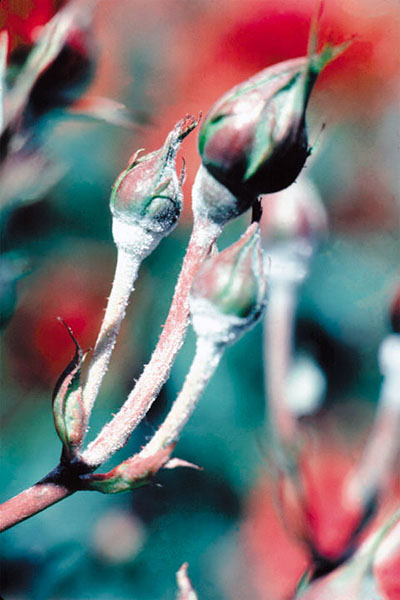
You are likely to find plants, or parts of plants, that look unhealthy, are poorly growing, or are diseased in most landscapes and gardens, even if overall the plants have a healthy appearance. The leaves of a rose bush may be infected with the pathogen that causes black spot (Figure 1). The leaves of plants such as lilacs, apples, pears, peas, or pumpkins affected by powdery mildew may be white with the growth of fungal spores and mycelia (Figure 2).
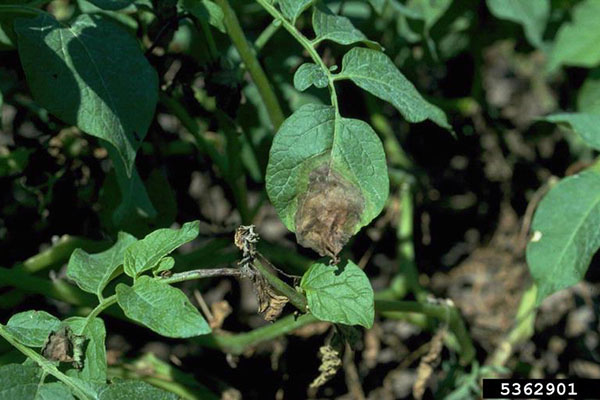
A historic example of an epidemic plant disease affecting food supply is the Irish Potato Famine of the 1840s. The explosion of a disease in the potato-growing regions of Ireland led to widespread crop destruction as potato tubers rotted in the field. Year after year, the loss of the entire potato crop—the main staple of the Irish diet—resulted in the starvation of at least one million people and the emigration of another million. Are we concerned about this disease today? The answer is “yes,” because we still encounter the disease, now called late blight, caused by the oomycete pathogen Phytophthora infestans. Late blight is problematic most seasons on garden-grown tomatoes and potatoes in the Pacific Northwest (Figure 3) due to the pathogen surviving on infected plant debris. We are fortunate in this region not to have the stage of the pathogen that overwinters as spores in the soil.
The presence of plant pathogens on the foods we eat may also impact food safety. Many of the current food concerns focus on animal pathogens contaminating food, such as E. coli, but the presence of certain plant pathogens on food can also be damaging. For example, mycotoxins are poisonous compounds produced by certain fungi. High doses of mycotoxins ingested by animals or people are poisonous. One instance is ergot, a disease of wheat and certain other grains and grasses, where the fungus Claviceps purpurea forms sclerotia (resting bodies, usually coated in a dark-colored rind) that replace the grain on infected seed heads; these sclerotia contain alkaloid mycotoxins, which are poisonous. Symptoms of poisoning by ergot may include hallucinations, burning sensations, gangrene, or even death. Ergot-infested grain used in bread flour led to many food-poisoning epidemics during the Middle Ages. But “the dose makes the poison,” and the very chemicals that caused these poisonings are being harnessed today as the active ingredients in certain migraine treatment medications.
Disease Effects on Plants
One of the most important things to remember when determining whether a plant is diseased rather than injured, or when trying to determine the exact cause of a plant disease problem, is to understand that plant diseases impact how a plant, or a plant part, functions. The parts of a plant, including the leaves, stems, roots, and reproductive structures, perform specific functions necessary for healthy plant growth. So you need to understand normal plant functions in order to identify a plant’s problem, to determine how damaging that problem might be to a plant, and to decide on the best management strategies.
Leaves. Leaves are responsible for photosynthesis, the process that converts carbon dioxide and sunlight energy into sugars and oxygen. Gas exchange, such as water vapor, also occurs at the leaves. When leaf damage occurs, these processes are delayed, disrupted, or stopped completely. Fortunately, most plants make more green tissue than they need for survival. Thus, a few dead leaf spots or some yellow chlorosis to a small part of the leaf would not seriously harm the plant and may require no additional management. However, if large portions of the green tissue are destroyed, then the reduction or loss of important foliar functions may have serious impacts on other plant functions and the overall health of the plant.
Stems. Stems support the canopy of a plant and contain vascular tissues that conduct water, sugars, and nutrients throughout the plant. Damaged stems, such as those with cankers caused by fungal pathogens or mechanical injury from wind breaking off a branch, are unable to transport water and nutrients. Such an injury may have a merely local effect on the immediate stem and branch, or the resulting blockage of water and nutrients may result in serious, widespread damage to all portions of the plant.
Roots. Roots anchor a plant in the soil and absorb water and nutrients from the soil. Damage to fine root hairs will reduce a plant’s ability to absorb water and nutrients and may cause the plant to wilt and die. Injury to structural roots may result in death of portions of a plant or the entire plant and may result in plant instability. Tall trees may become a serious safety hazard following root disease or injury.
Reproductive Organs. Flowers, fruit, and seeds are reproductive organs of plants, and their function is necessary for a plant’s reproductive success. For tree fruits, small fruits, and some of the vegetables, damage to reproductive functions will result in crop injury or loss.
Causes of Plant Disease
Plant diseases generally can be divided into two broad categories: abiotic (opens in new window) disorders induced by nonliving stresses and biotic (opens in new window) diseases associated with infection by living pathogens. Many plant problems actually result from a combination of both abiotic factors and biotic organisms.
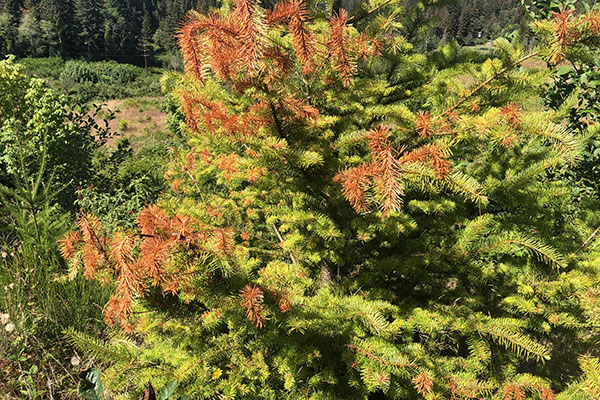
Abiotic plant stresses are a common cause of many non-infectious diseases (opens in new window), because the problem does not spread from damaged tissue to healthy tissue or from damaged plants to healthy plants. Common examples of abiotic diseases include heat and drought stress, wilting associated with transplant problems, or frost injury (Figure 4).
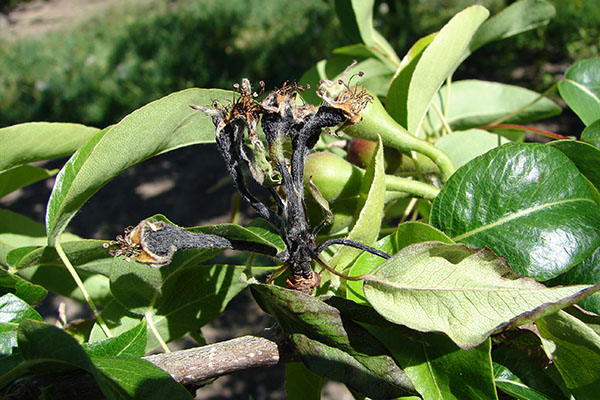
In contrast, infectious diseases are biotic; they result from infection of a plant with a living pathogen capable of reproducing and spreading. Red thread growing on a lawn, fire blight of apples and pears (Figure 5), rose mosaic virus, and Phytophthora root rot are examples of biotic diseases. For more information, see Chapter 18: Plant Problem Diagnosis.
Plant Pathogens
The five main types of plant pathogens damaging plants that gardeners may encounter are fungi, oomycetes, bacteria, viruses, and nematodes, but there are some others not included in these categories. Recognition of distinctive characteristics of each listed group can help with effective disease management; however, recent advances in genetic material-based identification and other lab techniques have changed our understanding of the various microbes involved in the development of plant disease and how they are related to one another. Many of these methods remain unavailable for use outside the lab (or impractical for home gardener use), and some of the distinctions between microbes that these lab techniques facilitate cannot be made otherwise. For practical purposes in the landscape, correctly identifying the host plant, and being able to distinguish between abiotic problems, insect or mite issues, and pathogens usually provides enough information to allow for making effective plant problem management decisions.
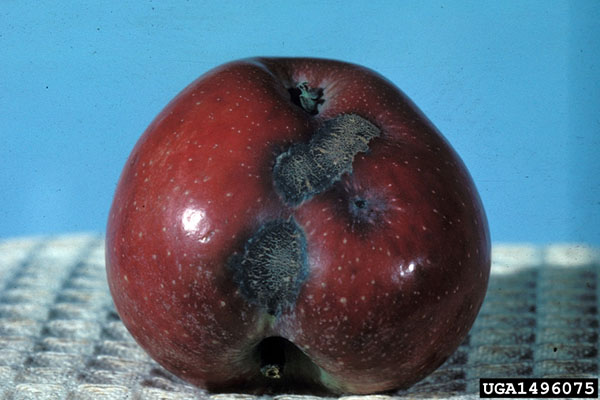
Fungi. Members of the taxonomic kingdom Fungi include molds, smuts, yeasts, and mushrooms—many of which are valuable recyclers of organic matter, but there are also poisonous or pathogenic species. Fungi (singular: fungus) are the largest group of known plant pathogens, with more than 8,000 plant-damaging species described. What exactly are fungi? Describing typical fungal characteristics is much easier than pinning down a precise definition of a fungus. Fungi require a food source as they cannot produce their own food; plant-pathogenic fungi use plants as that food source. Venturia inaequalis, the apple scab fungus, is one example of a fungal plant pathogen that infects the blossoms, leaves, and fruit of apple (Figure 6).
Fungal Fruiting Bodies
Fungal fruiting bodies (reproductive structures) come in an amazing variety of shapes, sizes, colors, and textures. Mushrooms, such as those pictured in the first two photos, may be a familiar sight, but they are just one type of fruiting body. Plant pathogenic fungi more often have cryptic fruiting bodies that require careful observation or magnification to identify. They may be obscured by plant tissue, or they may not have a true fruiting body at all. Note the tiny bumps near the center of the leaf spot caused by horse-chestnut blotch and the orange bumps on a small apple twig that are characteristic of Nectria canker, also known as coral spot.
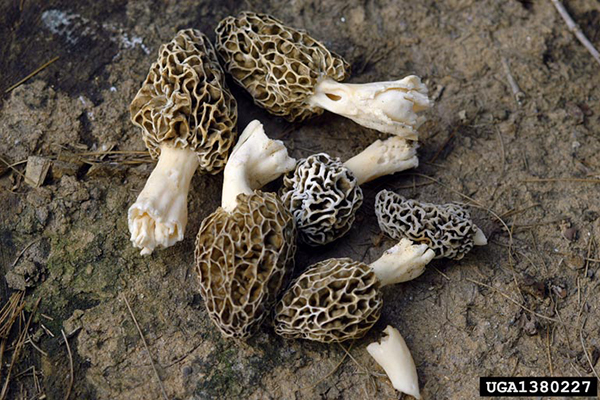

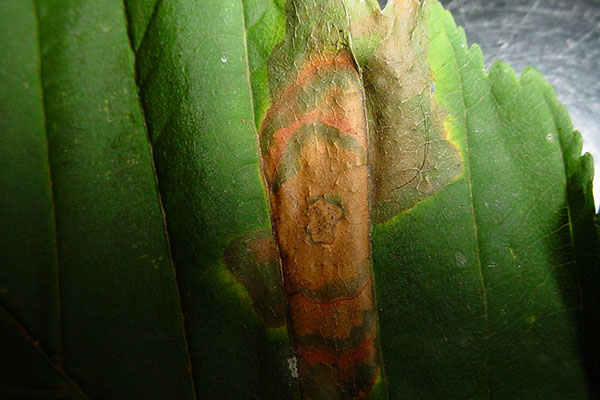
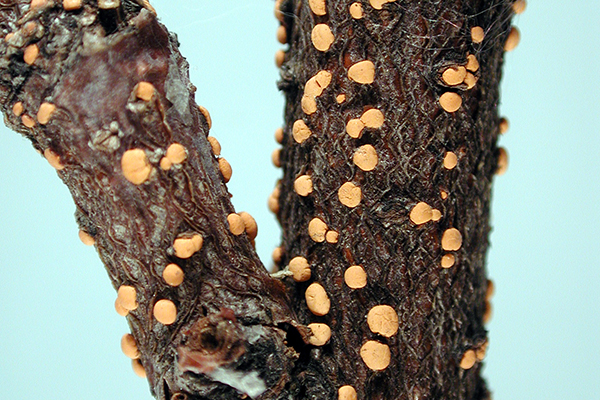
fruiting body (opens in new window) (although “fruiting body” is the more commonly used term, “sporulation structure” more accurately describes the reproductive structure of fungi). Mushrooms for instance, are one type of fungal fruiting body. Mushrooms arise from hyphae and produce spores during the reproductive phase. Most plant pathogenic fungi produce much less obvious fruiting bodies than mushrooms—they may be barely visible to the unaided eye or require a microscope to observe.
Fungal pathogens use several different strategies to enter host plants; some fungi are capable of penetrating plant tissue, but others require openings, such as stomata, lenticels, or nectaries on a flower, or wounds in order to infect the plant. Still other fungi produce enzymes that help break down plant tissue to facilitate infection.
Oomycetes. Formerly considered fungi, or fungus-like organisms, advances in species characterization have placed oomycete water molds in the taxonomic kingdom Chromista and determined that they are more closely related to brown algae and green plants than to fungi.
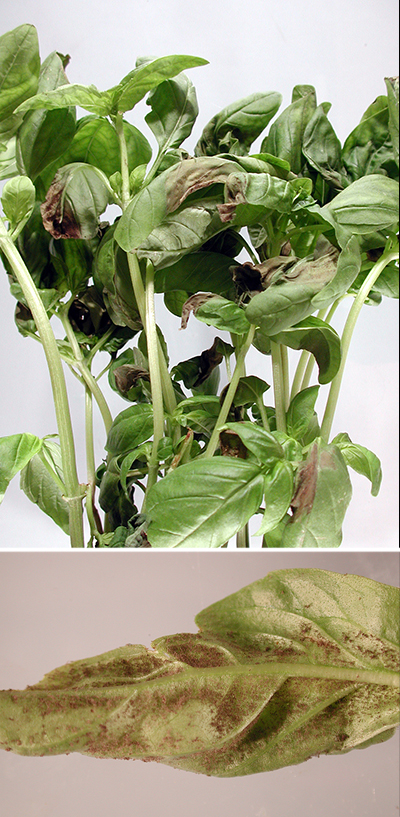
Oomycetes get their common name, water molds, because they have structures called sporangia that can produce asexual zoospores with flagella that enable them to swim in surface water, soil moisture, and in moisture on plant surfaces. Diseases caused by these organisms are often favored by damp conditions. Other common characteristics include filamentous hyphae that lack the cell walls typical of fungal hyphae, cell walls composed of cellulose instead of chitin, and the production of thick-walled oospores that persist in the environment for extended time periods. Some oomycetes, such as Peronospora belbahrii, the organism that causes downy mildew on basil (Figure 7), produce airborne sporangia that can be carried by wind to other basil plants, where they germinate on moist leaves.
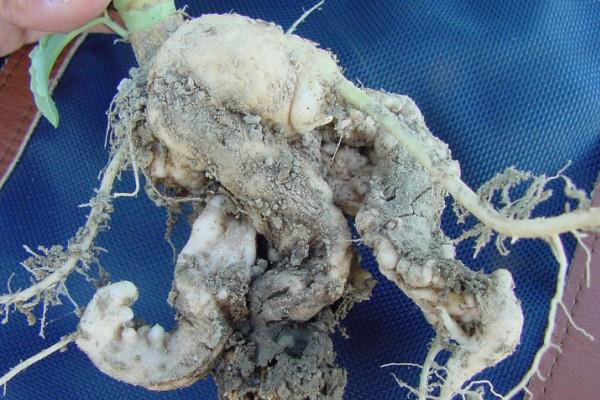
Others. Two other types of organisms that may show up in plant clinics, slime molds (myxomycetes) and endoparasitic slime molds (plasmodiophoromycetes), are more closely related to protozoan animals than to fungi or plants. Slime molds are a curiosity more than a plant problem when their amoeba-like ooze (technically called a plasmodium) seems to appear out of nowhere in wet weather to cover mulch, grass, or plant debris in slime, and then disappear in a matter of days into a mass of spores. Endoparasitic slime molds are more of a problem because they are parasitic on cells of host plants. Clubroot (Figure 8) is a devastating endoparasitic slime mold disease of plants in the Brassica family.
Bacteria. Certain bacteria (singular: bacterium) can also be pathogenic. Bacteria are microscopic single-celled organisms that reproduce by simple division, also known as fission (opens in new window), where the cell replicates by one cell dividing into two, two into four, and so on, in such a way that bacterial populations rapidly grow. The presence of water is required for the spread of most bacterial infections as the bacterial cells are motile and can swim in water.
Plant-pathogenic bacteria are not capable of direct penetration of plant tissue and require an entry point into the plant to infect. This entry point can be a wound on the plant, a pruning cut, or mechanical injury from wind, hail, animal damage, or injury from another type of disease. Natural openings on the plant, such as the stomata on the leaf or the lenticels on the stem, may also serve as an opening through which bacteria can infect plants. Once inside the plant, bacterial cells often move in the intercellular spaces and spread throughout the plant.
Viruses. Pathogenic viruses are submicroscopic particles comprised of a core of nucleic acid genetic material, consisting of either ribonucleic acid (RNA) or deoxyribonucleic acid (DNA) which is surrounded by a protein coat called a capsid. Much debate has occurred as to whether viruses are living or nonliving since they are so simple, are unable to produce or generate energy, and cannot reproduce on their own. However, since their parasitic presence induces disease and they control a part of the host cell during their reproduction process, viruses are generally considered pathogens.
Viruses are true parasites because they depend on their host cell for reproduction and survival. Virus particles reproduce in an insidious way by gaining entry into living host cells, which fail to recognize the virus particle as an invader. The host cells then expend energy and use cellular components in the replication of more viral particles.
Viruses spread from host to host in a variety of ways. Some viruses rely on vectors, another organism capable of picking up and passing along the virus, to spread from infected plants to healthy ones. Often, the presence of piercing-sucking insects is of concern because of their ability to spread (vector) a virus rather than their direct feeding damage. Sometimes, a virus infection spreads mechanically through intermingling of the sap from an infected host plant with the sap of a healthy host plant. For example, the wind can blow two physically close plants together, causing abrasions as the plants rub together—those abrasions are openings in both plants through which sap intermingles. Pruning cuts are another common way viruses are mechanically transmitted, because virus-infected sap on the blades of pruning tools can be spread to a healthy host plant nearby if the tools are not disinfected between each plant.
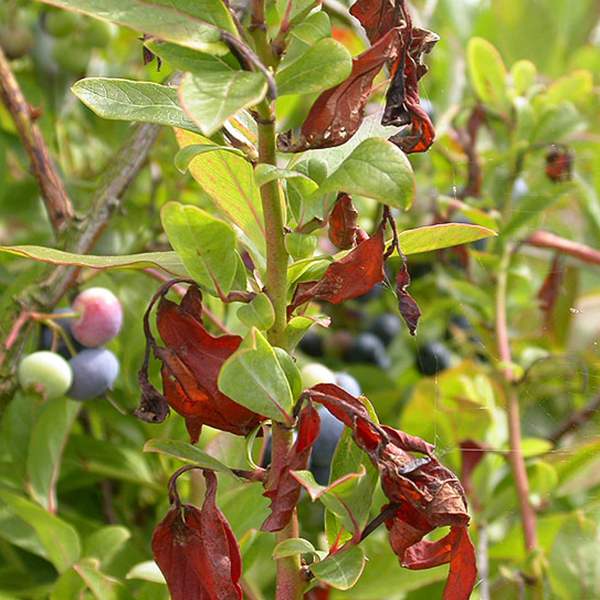
Other viruses spread when an infected plant reproduces and the subsequent part, be it seed, pollen, or daughter plant, is also infected with the viral particle. Blueberry shock virus (Figure 9) is an example of a virus that is spread by pollen.
No practical cures exist for removing virus infections from plants, so when deciding whether to keep or to remove a virus-infected plant in your garden or landscape, it is important to determine how damaging the virus will be to the host plant and the likelihood of its spread in the landscape. Identifying the virus is the first step. See Chapter 18: Plant Problem Diagnosis for help with diagnosis.
Nematodes. Plant-parasitic nematodes are small worms that feed on plant tissue. These nematodes have a specialized mouth structure called a stylet that allows them to puncture plant cells and ingest cell contents—similar to a piercing-sucking insect like an aphid. Saliva of certain nematodes can be toxic to a plant, resulting in the formation of lesions or other injury at the point of feeding. Many nematodes feed on the root systems of plants, though there are a few that climb the plant to feed on the foliage or other upper portions of the plant. Some nematode infections result in the distortion of plant roots. The lesions and the distortions disrupt the normal functions of the root system and can result in the wilting and death of plants.
Not all nematodes found in the soil have the stylet mouthpart that makes them capable of feeding on plant tissue. Some nematodes are free-living while others are predators that feed
on a host of soil insects, including pests.
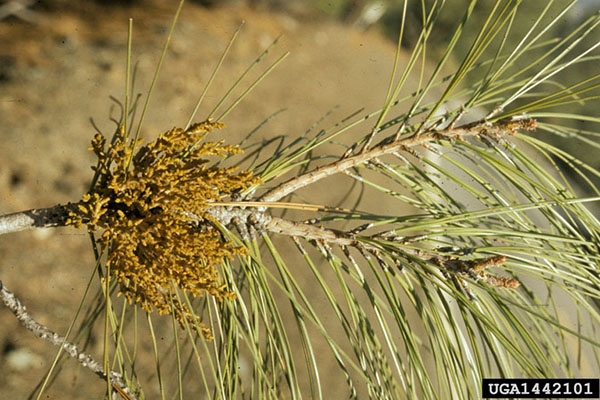
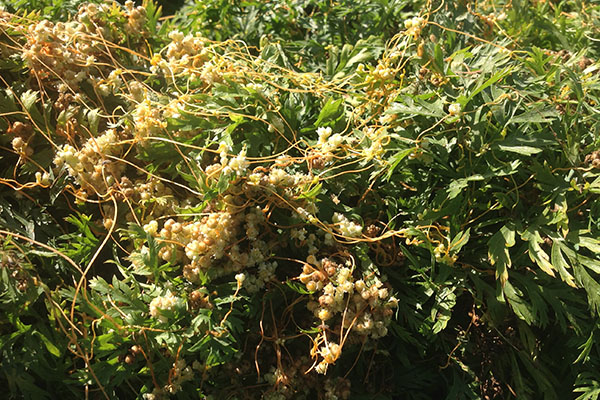
Parasitic Flowering Plants. Plants that are unable to make their own food may parasitize other plants to absorb water and nutrients. These parasitic plants may resemble normal plants, and even develop similarly, but lack a root system. Instead, they rely on specialized absorption structures called haustoria (singular: haustorium) to penetrate a host plant in order to obtain water and nutrients. Mistletoes and dodders are common types of parasitic flowering plants (Figure 10).
Nonparasitic Plants. Lichens, mosses, and English ivy are not parasitic to the plants they are found growing on. These simply live on another plant but do not gain nutrition from it. Lichens and mosses do not kill the plant they grow on, but people sometimes assume they do because they see it on dead branches. Lichens and mosses can be observed on living branches too. English ivy in some regions has been listed as a noxious weed due to its invasive growth. While not parasitic, it is still harmful to the plant it grows on through competition and the sheer weight of its growth.
Conditions for Plant Disease
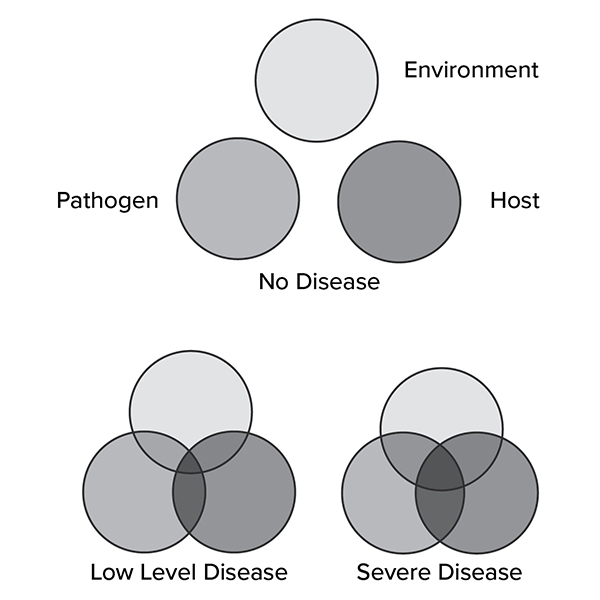
Pathogenic disease actually results from complex interactions between a susceptible host plant or plant community, a virulent (disease-causing) pathogen population, and an environment conducive for the establishment of the particular disease. This interaction is referred to as the disease triangle, or “overlapping circles of influence” (Figure 11). A plant disease can develop only when all three components are present at the same time and interacting with one another. Removal of any one component of the triangle precludes or eliminates disease. Minimizing the influences of any of the three components reduces the severity of the disease problem. We often alter the dynamics of the disease triangle in our integrated pest management efforts to reduce disease. For example, purchase and use of a dogwood resistant to the fungal disease dogwood anthracnose will reduce the chances of a blighted dogwood in spring. Two other diverse strategies to manage foliar fungal diseases are careful summer supplemental watering to avoid long spells of leaf surface wetness and the use of fungicides that protect plant tissue by altering the ability of fungi to infect and grow.
Time can also be a factor in the onset of a disease problem. Environments conducive for disease establishment can be quite time dependent. The host tissue must be susceptible, or the pathogen population must have time to develop in order to be significant enough to cause disease. Two examples of the timing component at work in an infection include conifer needlecast fungus that only infects needles newly emerging from the bud, and the fungal disease brown rot that typically gains entry to the cherry and other Prunus hosts through their flowers, meaning that these hosts are most susceptible during bloom.
Pathogen Life Cycles
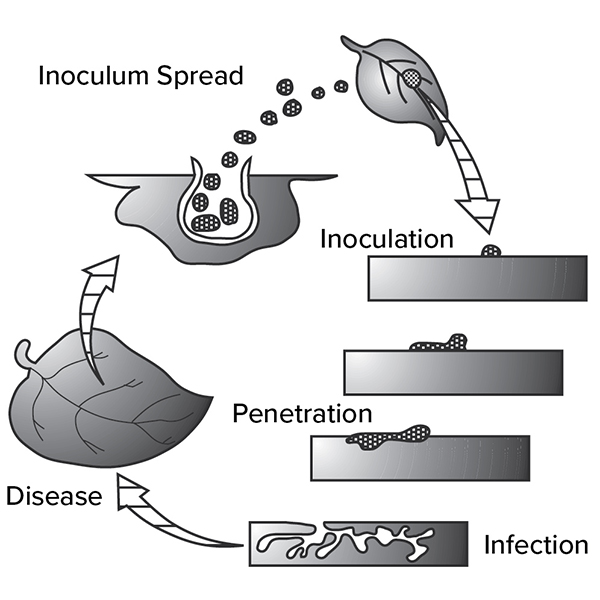
Another concept important for achieving management of many of the pathogenic plant diseases is knowledge about the individual life cycle of the pathogen. In general, the life cycle of a pathogen (Figure 12) has these components: inoculation, penetration, incubation, infection or colonization, reproduction, and spread.
Inoculation occurs when a pathogen makes contact with a host plant. The inoculum of a pathogen can include fungal spores or mycelia, bacterial cells, virus particles, nematodes or their eggs, and seeds of pathogenic flowering plants. Penetration occurs when the inoculum of the pathogen gains entry to the plant.
Incubation is the stage from the time the pathogen penetrates the host until symptoms first appear on the host. During incubation, the plant is still unlikely to be expressing any symptoms indicating a disease problem is developing.
Infection and colonization occur as the pathogen becomes well established within a host plant and continues to grow. This is often the time when disease symptoms are noticed on the plant.
Reproduction of disease organisms occurs via cell division for bacteria, spore production for fungi and oomycetes, eggs for nematodes, seeds for plant-parasitic plants, and formation of new particles for viruses. The reproductive phase may occur inside or outside of the host plant, depending on the pathogen.
Spread or dissemination occurs when the pathogen or the inoculum produced via reproduction reaches previously unaffected parts of the plant or other host plants in the area. Sometimes spread occurs right back onto the host plant and the infection repeats several times during the growing season, or there may be a period of time in which the pathogen must survive away from the host plant before conditions for inoculation occur again.
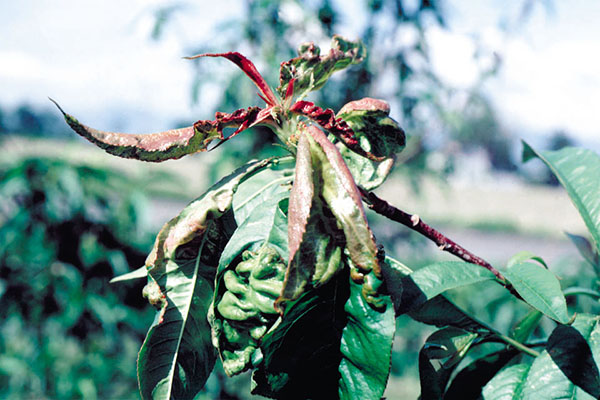
Delving into the plant disease literature and trying to figure out the specifics of the life cycle of the pathogen that is currently damaging your plants will give you clues as to the most effective way to manage the pathogen. For example, the peach leaf curl pathogen Taphrina deformans infects peach buds as they are developing (Figure 13). This knowledge helps to pinpoint the timing of fungicide applications.
Managing Plant Diseases
Disease problems can sometimes be avoided completely by proactively restricting pathogens so they never get established. When a pathogen is already lurking in an area, preventative measures attempt to protect plants from that pathogen. Many of our disease management strategies target the environment surrounding the plant or they target the plant-pathogen interaction.
Proactive Strategies
Managing plant disease problems is easiest when problems are not allowed to get established in the first place. Two proactive strategies, exclusion (opens in new window) and eradication (opens in new window), can be used to keep new problems from getting established in an area. Exclusion of a disease includes numerous steps taken to avoid the problem altogether by keeping a pathogen from entering and becoming established in new places. Exclusion is the basis for many of the plant quarantine laws, federal or state plant inspection services, and some disease-vector control programs.
When a new pathogen first enters an area and is newly reported, the chance exists for eradication of the problem. Eradication efforts are undertaken to kill and prevent the spread of any localized, relatively small population of an introduced pathogen. These efforts may include the removal of host plants in an area adjacent to where a new pathogen has been found or the use of pesticides around the area where a new disease has been reported. For example, in 2009, the pathogen Phytophthora ramorum, the cause of Sudden Oak Death and numerous diseases collectively referred to as “Ramorum leaf and shoot blight” on a large number of hosts, was found in a variety of nursery plants in Washington. Washington State continues to work to exclude the pathogen from further introductions and to eradicate the pathogen from any infected nurseries to keep this pathogen from becoming established in our landscapes and forest lands.
Preventative Strategies
Preventative disease management means measures taken to prevent infection by an existing or established pathogen. Preventative strategies can be used to manage diseases native to a particular area or when a new, exotic pathogen becomes well-established in an area. Strategies to prevent infection include cultural practices, biological methods, and chemical applications. These preventative strategies are used in Integrated Pest Management (IPM), a multi-tactic approach to managing plant diseases and other pests. This multi-tactic approach emphasizes the assessment of plant health and pest status by monitoring; the use of disease management techniques including cultural, biological, and chemical methods; and the adoption of tolerance for a low or not-seriously damaging level of the problem. In general, many gardeners are already employing IPM strategies in the management of plant diseases in their gardens and landscapes. See Chapter 21: Plant Health Care and Integrated Pest Management for details on managing plant health through IPM.
Note: Composting diseased plant material in home compost systems is discouraged because compost may not reach high enough temperatures or biological activity throughout the pile to reliably kill pathogens. Infected plant materials have a better chance of being adequately broken down in highly managed compost systems (e.g., municipal compost streams). Infected materials may also be burned, or in some cases buried.
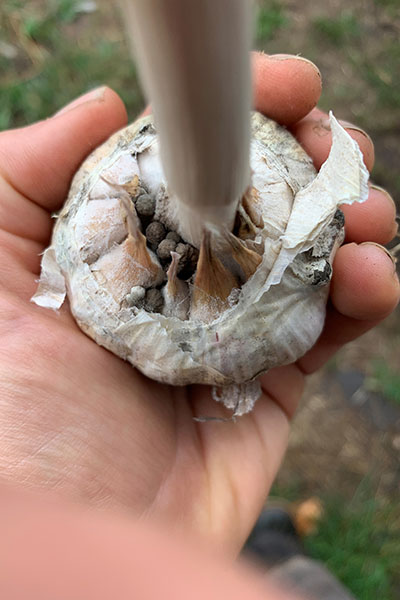
Cultural Management Methods. Many cultural techniques can either prevent or reduce plant disease problems. For instance, sanitation involves removing damaged plant parts and pathogens from the plant or from the environment of a susceptible plant. Common places for plant pathogen survival include sites on the infected plant, within plant debris, or in the soil. Sanitation is most effective for pathogens that would survive within plant debris or for infected plant parts that can be readily cut out; for example, discrete cankers on branches can be removed. Regardless of other control methods used, sanitation of infected plant material or old plant residue is important at the end of the growing season if the pathogen has an overwintering or survival stage like sclerotia produced by the fungi Botrytis porri and B. aclada that cause Botrytis neck rot in garlic (Figure 14).
Choosing and growing particular plants under conditions that are healthy for those plants may repress certain pathogens. Techniques that improve the general health and growth of plants, such as appropriate fertilization, proper planting technique, and careful initial site choice for the planting, can also help reduce problems with plant diseases. Improving drainage in a wet area may change the soil environment, making it less conducive to certain pathogens, as with oomycetes like Pythium or Phytophthora that thrive in saturated soils. Crop rotation and planting date modifications are other cultural strategies that can help reduce plant disease problems. Humidity, often necessary for fungal and bacterial infections, can be reduced by cultural methods, such as carefully locating the plant in the landscape to achieve optimal air circulation, pruning to open up the plant canopy and increase air movement, scheduling supplemental summer irrigations early in the day, and applying irrigation around the base of the plant rather than on the foliage.
Biological Management Methods. Several fungicides on the market are derived from microorganisms, such as bacteria. These products are typically preventative and can impact the ability of pathogenic organisms to infect a host plant through a variety of pathways.
Competition with or interference of the pathogen by encouraging another organism is one example. The control takes place through competitive exclusion. Potential infection sites are taken up by the non-infective bacteria species, thereby lowering the potential for access and establishment by the pathogen.
Stimulation of a plant’s defensive mechanisms using a benign organism is another example. For example, biofungicides that contain Bacillus species (such as B. subtilis and B. amyloliquefaciens) have been used as biostimulants, turning on defense responses that reduce host plant susceptibility to certain viruses and fungal infections.
Chemical Management Methods. Selective, targeted pesticide use may be part of a gardener’s IPM strategy. A correct diagnosis of the disease is critical, and an understanding of the biology of the pathogen plus careful reading, understanding of, and following of the pesticide label directions are important when using pesticides, such as fungicides. The pesticide applications must be accurately timed and targeted in order to best manage the pathogen and may need to be reapplied, should the plant continue to develop unprotected new growth under environments conducive for disease infection.
Chemical management of plant diseases in the home landscape is typically reserved for the fungal infections of plants. Fungicides typically work to prevent growth and infection of fungal pathogens and thus are used to protect the plant from the pathogen, not to actively kill the pathogen. Few fungicides available to home gardeners have any extensive curative or “kick-back” ability against fungal diseases. For fungicides to be applied at the most efficacious time, we cannot use the “wait and see” monitoring stage used for insects and mites. Instead, the decision to employ fungicides involves considering the history of a particular disease on a plant, the likelihood that recent and forecasted weather will promote the particular disease, the severity of the problem to plant health and aesthetics, as well as one’s personal gardening philosophies about the use of pesticides in disease management or a preference for the use of only certain types of chemistries.
The life cycle of the pathogen is another important consideration when using fungicides. The timing of fungicide applications typically must coincide with the inoculation or penetration stage of the life cycle because most fungicides work by altering the surface chemistry of plant tissue to deter infection or suppress growth of the pathogen.
And finally, when pathogens can spread easily from infected plants to healthy plants via sap on pruning tools, tool disinfection becomes a worthwhile effort.
Summary
Many gardeners are amazed by the number and complexity of problems facing their landscape and garden plants. While some problems are extremely detrimental to a plant, crop, or landscape, the vast majority of plant diseases cause only minor damage to plants and are often more damaging to the aesthetics of the plant than to its overall health. Remember also that many of our best landscaping and gardening practices are also good integrated disease management strategies, so most of your time can be spent enjoying your garden and landscape, rather than combating plant diseases.
Further Reading
WSU Extension publications (opens in new window)
American Phytopathological Society (opens in new window).
Chase, A.R., M. Daughtrey, and G.W. Simone. 1995. Diseases of Annuals and Perennials: A Ball Guide. Batavia, IL: Ball Publishing.
Elliott, M., K. Pernezny, A. Palmateer, and N. Havranek. 2017. Guidelines to Identification and Management of Plant Disease Problems: Part 1. Eliminating Insect Damage and Abiotic Disorders. University of Florida Extension Publication PP248.
Hortsense (opens in new window). Washington State University Extension.
Pacific Northwest Vegetable Extension Group (opens in new window). Washington State University.
Pernezny, K., M. Elliott, A. Palmateer, and N. Havranek. 2017. Guidelines to Identification and Management of Plant Disease Problems: Part 2. Diagnosing Plant Diseases Caused by Fungi, Bacteria and Viruses. University of Florida Extension Publication PP249.
Plant and Insect Parasitic Nematodes (opens in new window). University of Nebraska–Lincoln.
Plant Pathology Resources (opens in new window). Cornell University.
Sinclair, W.A., and H.H. Lyon. 2005. Diseases of Trees and Shrubs. 2nd ed. Ithaca, NY: Cornell University Press.
Williams, S.D., and M.J. Boehm. 2017. Plants Get Sick Too! An Introduction to Plant Diseases (opens in new window). Ohio State University Factsheet PLPATH-GEN-1.