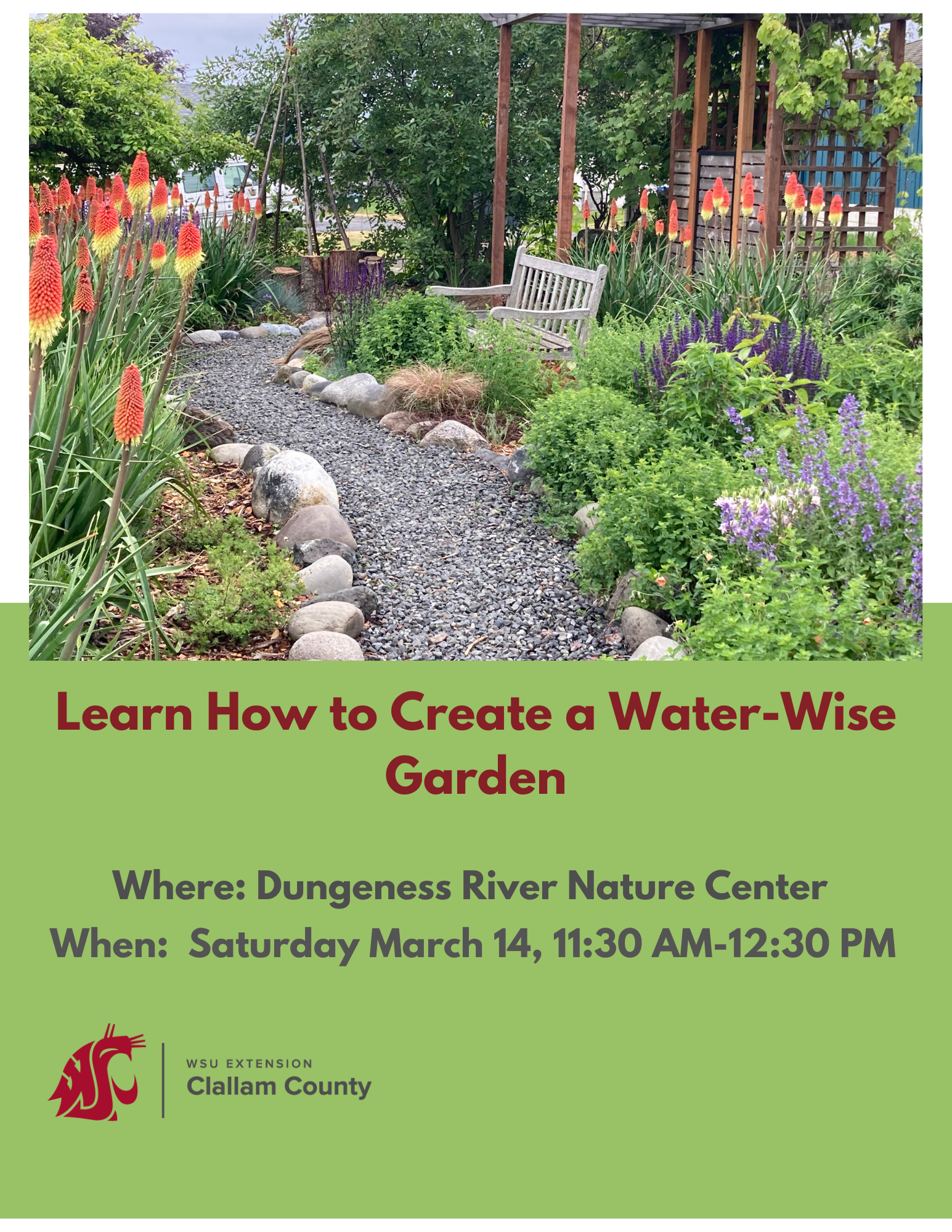
Come learn how to create a Water-Wise Garden in Clallam County at the Dungeness River Nature Center at 1943 West Hendrickson Road!
The 2025 Drought & Current Conditions
Drought Emergency Declaration 2025– In June of 2025, the Department of Ecology issued a drought emergency for 19 watersheds across the state, including the Sequim-Dungeness River watershed. A drought declaration is made when 1) water supply is below 75% of normal (normal being the average for the last 30 years) and 2) the water shortage will likely create problems for farmers, homeowners and businesses or the environment.
Above average winter temperatures in December of 2024 and below average precipitation in January and February of 2025 led to low snowpack. Additionally, June of 2025 was very dry, with only 18% of normal precipitation recorded at the Elwha Ranger Station (NPS).
Current Water/Snow Levels 2026- Data from Olympic National Park snow surveys (on Feb. 1, 2026) show that snowpack is 29% of normal this year. Although plenty of precipitation is falling, we just don’t have much snow accumulating on the mountains. Time will tell if we can make up any of this snowpack in the coming weeks.
To follow current drought conditions in Clallam County check out Drought.gov for more information.

Water Conservation for Farmers
Drought conditions are especially hard on farmers. Therefore, we are working to provide more technical assistance to local growers on issues such as moisture monitoring and conservation techniques.
If you are farmer or grower interested in reducing your water use, improving soil retention, water saving methods, or in need of irrigation advice, check out the compiled resources below!
Soil Moisture Sensor Project
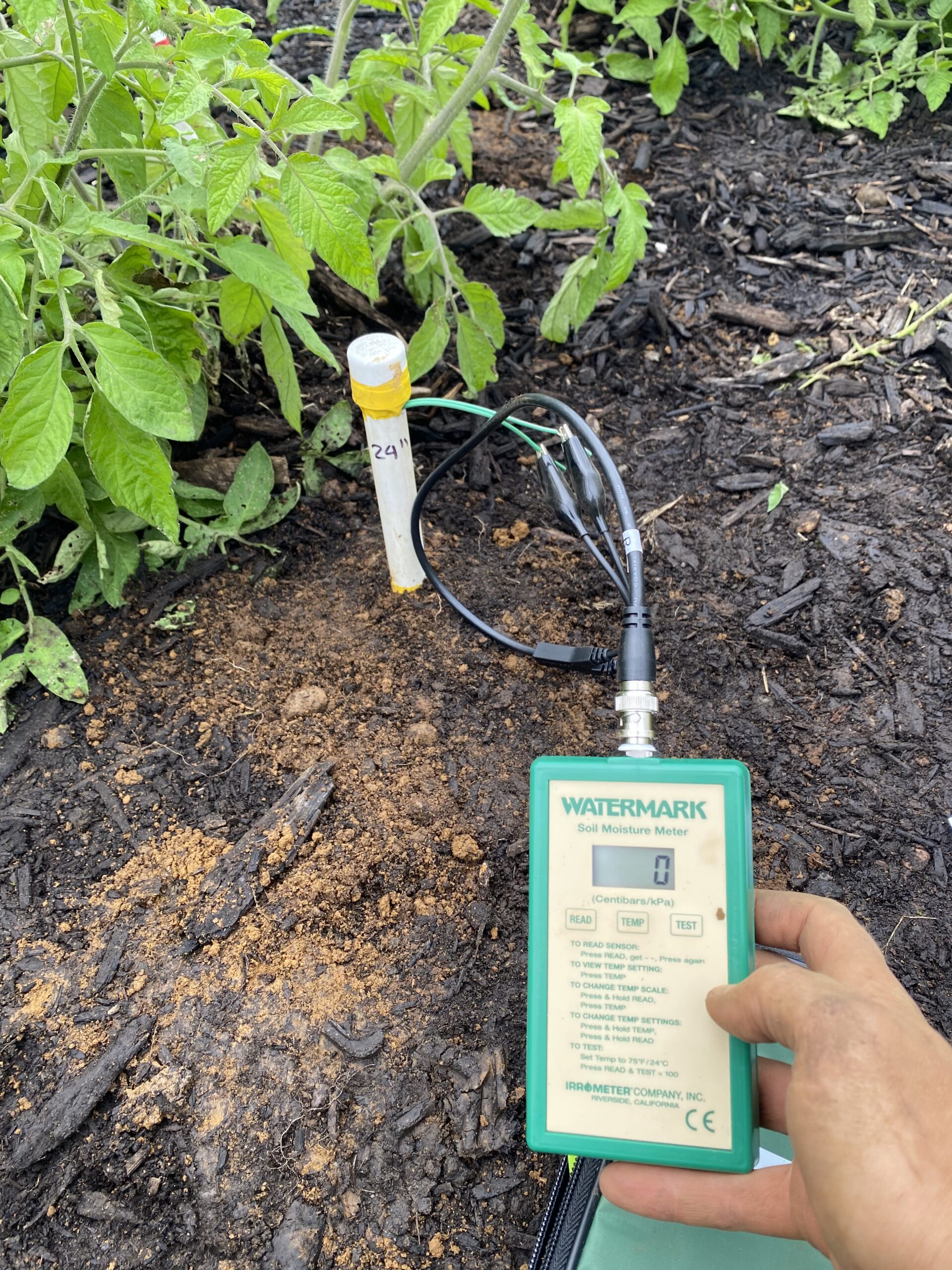
In partnership with the Clallam County Conservation District, we installed Watermark Soil Moisture Sensors on six farms throughout the Olympic Peninsula. We hope this soil moisture data can help farmers improve irrigation management.
Are you a farm in Clallam County? Interested in getting soil moisture probes installed on your farm? Send inquires to samantha.grieger@wsu.edu for more information.
Watermark Sensors Info:
Irrigation Resources & Tools
____________________________________
Learn more about water rights, irrigation, water conservation and weather and climate below:
- WSU Regional Small Farms Program – Water, Weather & Drought
- Irrigation in the PNW website
- WSU Extension Publications – Water & Irrigation
- Ag Weather Net by WSU
- Irrigation Schedule Mobile
- Weather Guided Irrigation Management Seminar
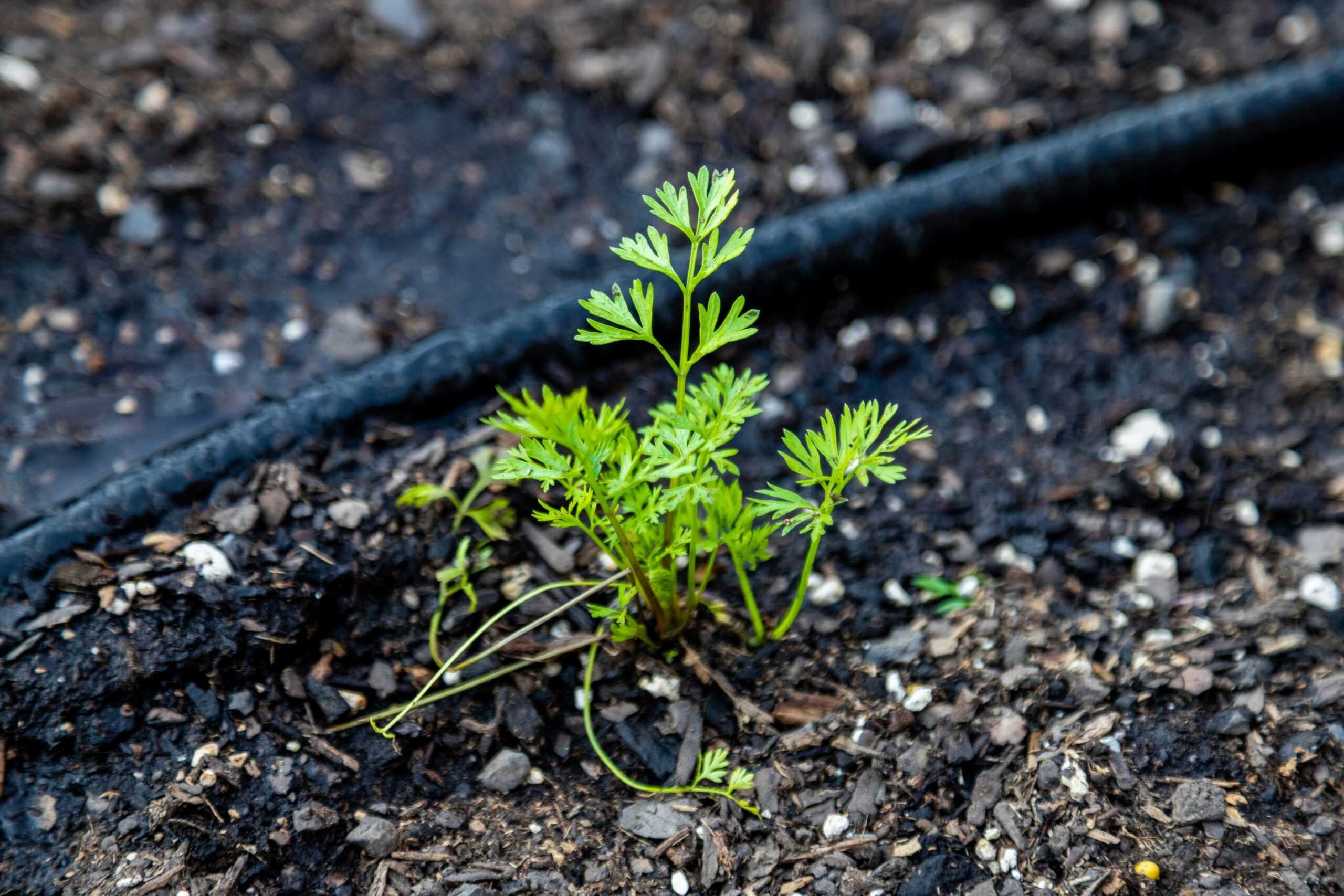
Dry & Low Water Farming
_________________________________________
Dry farming uses stored soil moisture from the rainy season to keep crops going in the summer. Dry farming can be used in areas that receive 20 inches or more of rain a year. Learn more below:
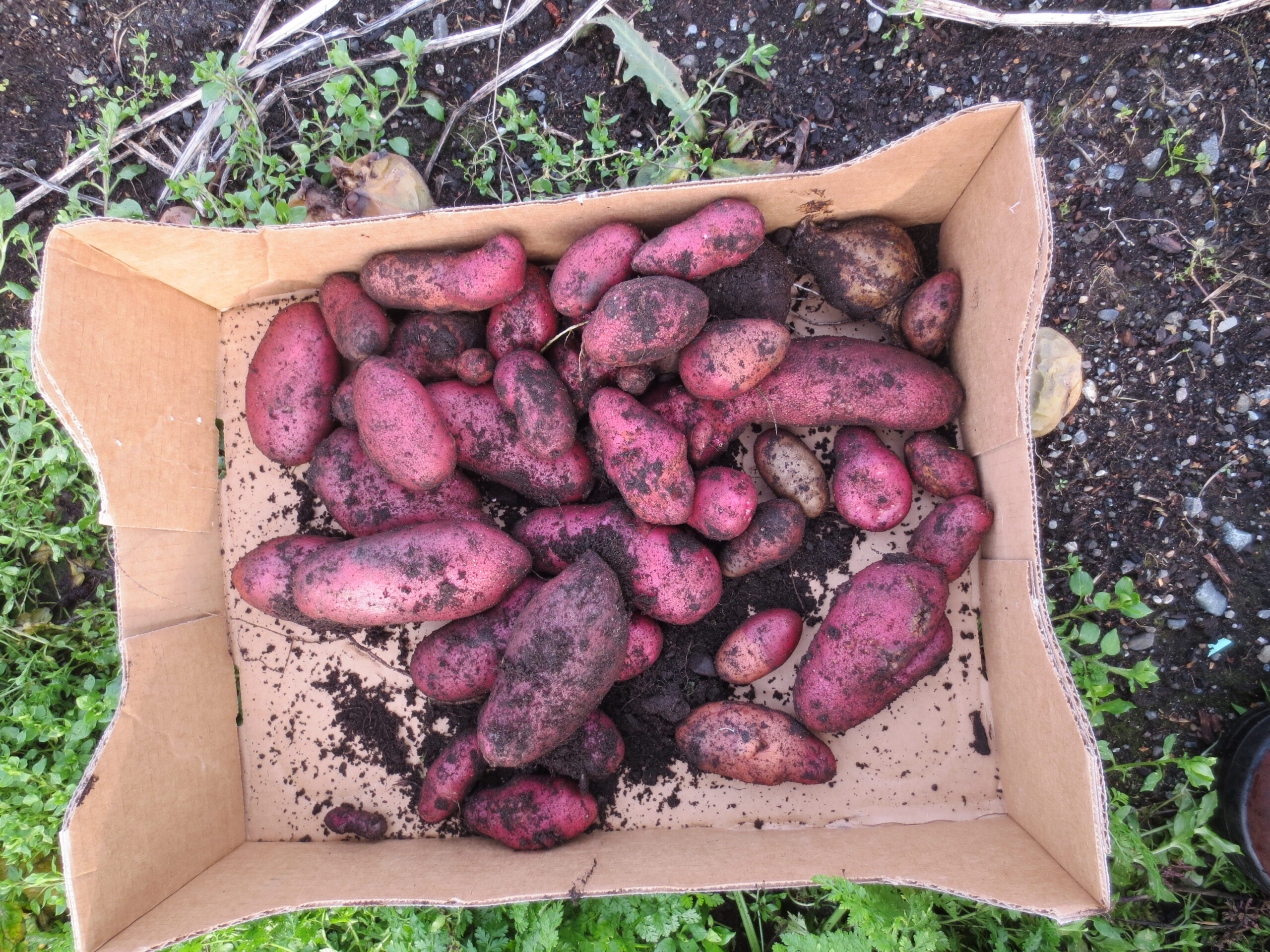
Soil Health & Water Retention
____________________________________________
Healthy soil retains water and and increases water absorption by crops. Learn more about the connection between soil health and water retention below:
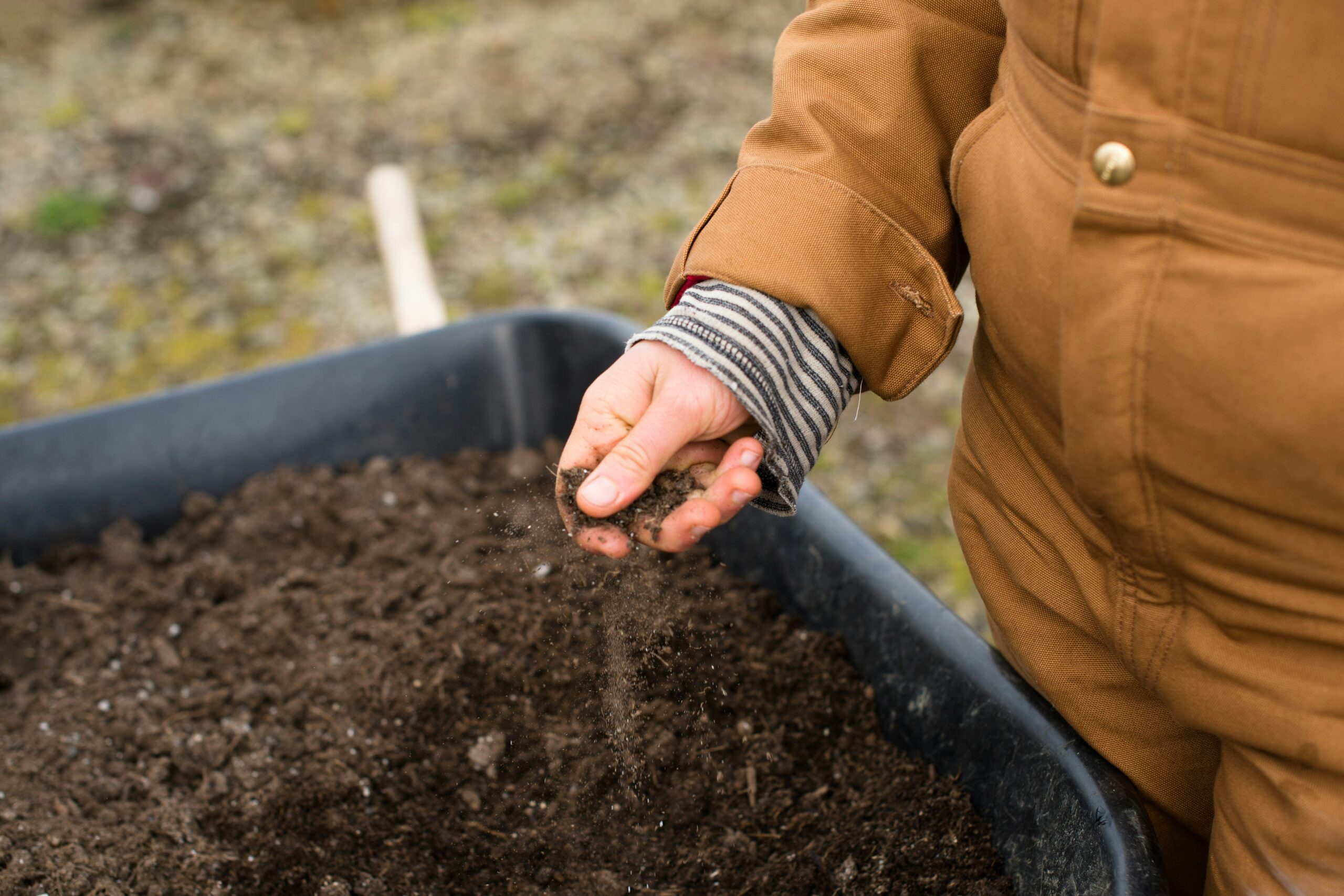
Water Conservation for Homeowners
During the summer, outdoor watering can make up to 70% of our household water use. Additionally, water used in the garden is often wasted due to evaporation, runoff or overwatering.
In the Sequim area, watering a ¼ acre of lawn during peak summer months can use between 850 to over 1,000 gallons per day
In the Lawn:
- Let your lawn go gold this summer! Grass has natural adaptations to survive and green up once the rains return.
- Keep your grass 3″ or taller to allow deeper root development.
- If you decide to water your grass, focus on watering deeply and less frequently. This encourages grass to grow long roots. 1″ of water a month should be sufficient.
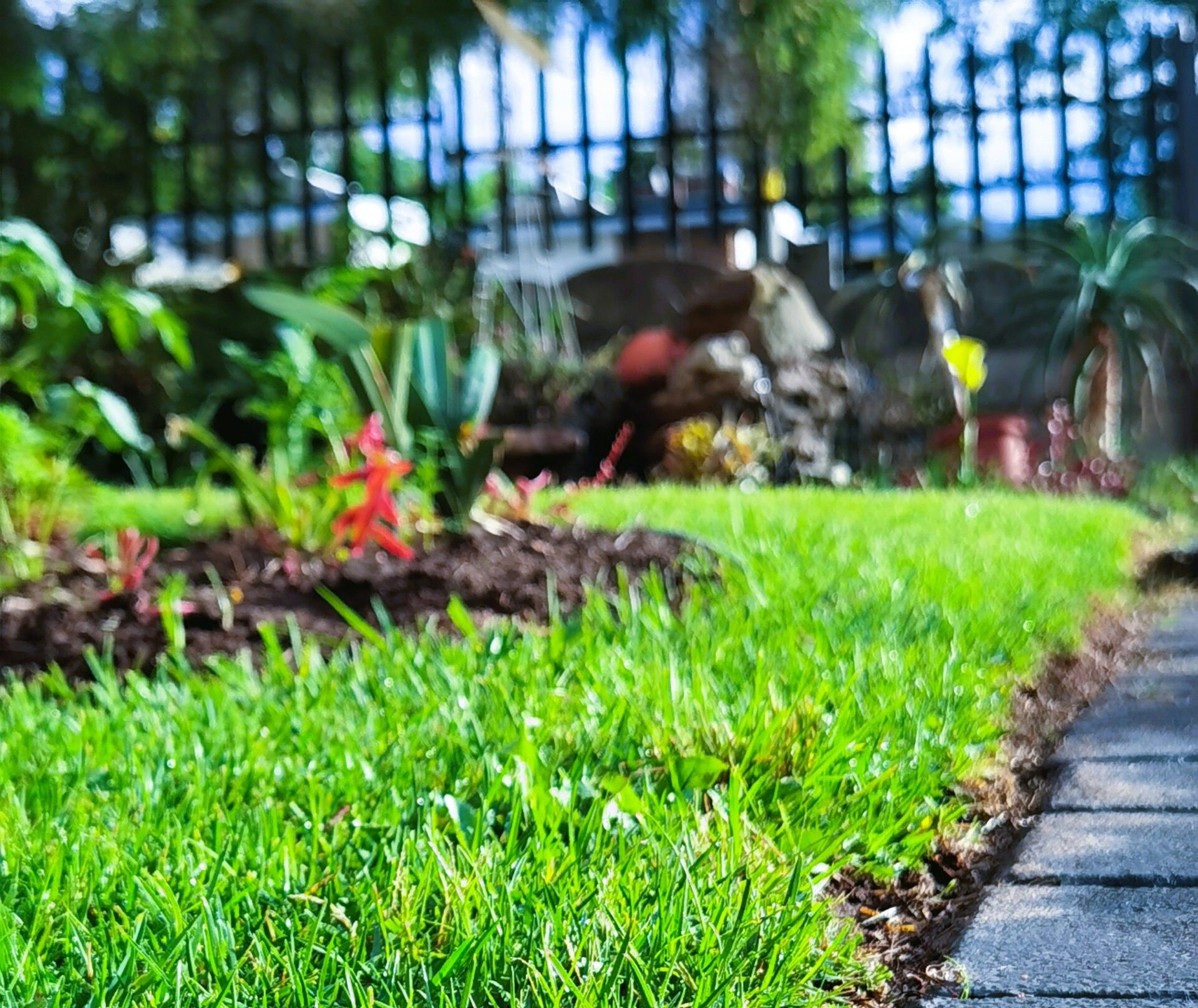
In the Garden:
- Water in the morning or evening to reduce evaporation.
- Use drip irrigation systems if possible.
- Learn more about rainwater collection here!
- Put mulch on top of bare soil to prevent soil from drying out.
- Plant drought-resistant plants that do well in dry summers. Native plants are especially adapted to our local rain cycle.
In the Drive:
- Sweep it, don’t spray it! Use a broom for cleaning leaves and debris off driveways and sidewalks, rather than hosing them off.
- Reduce washing your car at home during the summer. Do it at a carwash where water is recycled.
Additional Resources
About the Drought:
- Ecology’s Statewide Drought Conditions
- Elwha River flow conditions
- Dungeness River flow conditions
- National Water and Climate Center interactive map
Local Water Management Organizations:
- Washington Water Trust
- Dungeness River Management Team (DRMT)
- Clallam Conservation District
- Clallam County Public Utility District
- Jamestown S’Klallam Natural Resources Program
- Sequim Water Reclamation Facility
- Clallam County Dungeness Water Rule
- City of Port Angeles Conservation Programs
Resources for Saving Water at Home:
The Story of Water Project
Interested in learning more about how water moves through your local watershed? Check out the Story of Water lecture series created by League of Women Voters and other local collaborators in 2019:
Video Lecture Series:
- From Source to Sea: Dungeness Watershed film
- How our Water System Works: The Hydrology of the Dungeness Watershed
- Olympic Mountain Glaciers and Snowpack: Changes and Future Challenges
- Tribal Water Rights and History: “From Time Immemorial”
- Water Law in Washington: Who Owns the Water and What Are Our Rights?
- Irrigators and Protectors: Rights and Conservation Actions Exercised by Our Farmers